Anglican bishop puts same-sex marriage cards on the table

Advertisement
Read this article for free:
or
Already have an account? Log in here »
To continue reading, please subscribe:

Digital Subscription
One year of digital access for only $205*
- Enjoy unlimited reading on winnipegfreepress.com
- Read the E-Edition, our digital replica newspaper
- Access News Break, our award-winning app
- Play interactive puzzles
*First annual payment billed as $205.00 + GST for one year. This annual subscription will automatically renew at $233.00 + GST every 52 weeks (10% off the regular annual price of $259.35). Offer available to new and qualified returning subscribers only. Cancel any time.
To continue reading, please subscribe:
Add Free Press access to your Brandon Sun subscription for only an additional
$1 for the first 4 weeks*
- Enjoy unlimited reading on winnipegfreepress.com
- Read the E-Edition, our digital replica newspaper
- Access News Break, our award-winning app
- Play interactive puzzles
*Your next Brandon Sun subscription payment will increase by $1.00 and you will be charged $17.95 plus GST for four weeks. After four weeks, your payment will increase to $24.95 plus GST every four weeks.
Read unlimited articles for free today:
or
Already have an account? Log in here »
Hey there, time traveller!
This article was published 03/09/2016 (3691 days ago), so information in it may no longer be current.
For Donald Phillips, Bishop of Rupert’s Land, July’s vote about same-sex marriage at the Anglican Church of Canada General Synod was “a roller-coaster of emotions.”
At first, the motion to allow same-sex marriages failed, prompting consternation for those in favour. Then a glitch in the electronic voting system was discovered, and the motion to change the marriage canon passed — which was frustrating for those who were opposed.
For Phillips, 62, the vote capped a challenging period of time as he wrestled with what to say about the issue to the 12,000 or so members of the diocese in 76 parishes and three missions in Manitoba and northwestern Ontario.
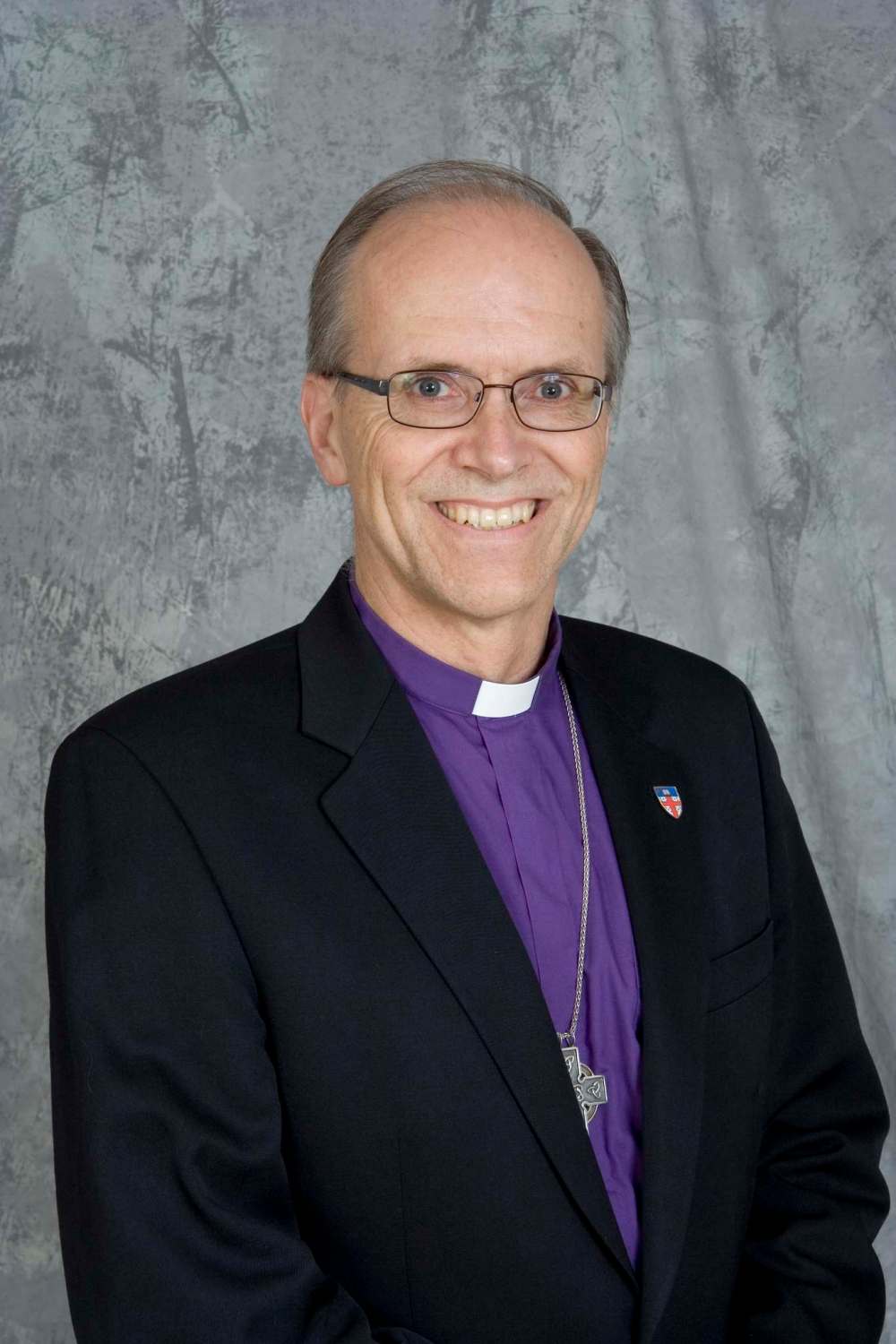
Prior to the vote, “it was clear that there was considerable tension in the diocese among the clergy and others over this issue,” he says.
Not only were people anxious about the outcome, they wanted to know his position on whether or not the Anglican church — which already allows priests in the diocese to bless same-sex civil marriages — should also permit them to conduct same-sex weddings.
“People began to speculate and guess about my position,” he says. “For the health of the diocese, I felt it was best if people knew, and then be able to get on with their ministries.”
In May, Phillips released a statement saying he was “convinced the time has come for the provision for same-sex marriages in Rupert’s Land to become reality” and that he was “committed to working toward making that happen… as soon as responsibly possible.”
After the statement was released, “not everyone was happy,” he says, “but the level of anxiety dropped.”
Then came the General Synod, where the motion required a majority in the church’s three orders — laity, clergy and bishops — to pass. Phillips expected it to be defeated; a straw poll among bishops in February indicated there wasn’t enough support in that order for the motion to pass.
The bishops did vote in favour and, after rectifying the voting mistake, it passed in the other two orders, too. This doesn’t mean priests can now marry same-sex couples, however, that won’t be permitted until after a second vote at the next General Synod in 2019.
Going forward, Phillips believes most Anglicans in the diocese will support the change to allow same-sex marriages. As for those who are opposed, “I am inviting anyone with questions or concerns to be in touch with me,” he says. “I am happy to have a conversation with anyone.”
Of particular concern is the response of indigenous Anglicans, including those in the diocese. Before the vote, several indigenous bishops released a statement saying the move towards same-sex marriage was an imposition of “western cultural questions and approaches on our societies.”
“This relationship needs mending,” he says, adding he will be taking time to talk to indigenous members in the diocese. And looking ahead, he says he wouldn’t “be surprised” if an amendment is brought to the next General Synod “that recognizes the concerns of indigenous Anglicans.”
As for others in the diocese who may have concerns about the motion, they “are still fairly engaged in the life of the church, they are faithful, important members,” he says. “Their stance on this issue should not diminish their service and ministry in the church.”
An opportunity for discussion about the motion will take place in October, when the vote will be one of the subjects of a meeting for clergy and laity.

“I hope it will be a time when we engage each other and move beyond this difference,” he says. “I hope that we can still do our ministry together in Jesus’s name, and not let this divide or define us.”
Meantime, what will he do if a same-sex couple wants to be married by an Anglican church in Manitoba?
“I want to be respectful of the process,” he says. “Our position (as a church) has not yet changed. We will still offer blessings to same-sex couples, but not marriage until after the second vote.”
However, he adds, “if a priest comes to me with a pastoral need on this issue, I would be prepared to enter into a discussion.”
jdl562000@yahoo.com
The Free Press is committed to covering faith in Manitoba through our Religion in the News project. This reporting continues because readers like you step forward to fund it.
Donate now to support our reporting on religion.
Your donation is eligible for a charitable tax receipt.
BECOME A FAITH JOURNALISM SUPPORTER
Our newsroom depends on a growing audience of readers to power our journalism. If you are not a paid reader, please consider becoming a subscriber.
Our newsroom depends on its audience of readers to power our journalism. Thank you for your support.
The Free Press is committed to covering faith in Manitoba through our Religion in the News project. This reporting continues because readers like you step forward to fund it.
Donate now to support our reporting on religion.
Your donation is eligible for a charitable tax receipt.
BECOME A FAITH JOURNALISM SUPPORTER
Our newsroom depends on a growing audience of readers to power our journalism. If you are not a paid reader, please consider becoming a subscriber.
Our newsroom depends on its audience of readers to power our journalism. Thank you for your support.
Advertisement Advertise With Us
Advertisement Advertise With Us
The Free Press acknowledges the financial support it receives from members of the city’s faith community, which makes our coverage of religion possible.