Presenters at National Gathering on Unmarked Burials want to break barriers
Advertisement
Read this article for free:
or
Already have an account? Log in here »
To continue reading, please subscribe:

Digital Subscription
One year of digital access for only $205*
- Enjoy unlimited reading on winnipegfreepress.com
- Read the E-Edition, our digital replica newspaper
- Access News Break, our award-winning app
- Play interactive puzzles
*First annual payment billed as $205.00 + GST for one year. This annual subscription will automatically renew at $233.00 + GST every 52 weeks (10% off the regular annual price of $259.35). Offer available to new and qualified returning subscribers only. Cancel any time.
To continue reading, please subscribe:
Add Free Press access to your Brandon Sun subscription for only an additional
$1 for the first 4 weeks*
- Enjoy unlimited reading on winnipegfreepress.com
- Read the E-Edition, our digital replica newspaper
- Access News Break, our award-winning app
- Play interactive puzzles
*Your next Brandon Sun subscription payment will increase by $1.00 and you will be charged $17.95 plus GST for four weeks. After four weeks, your payment will increase to $24.95 plus GST every four weeks.
Read unlimited articles for free today:
or
Already have an account? Log in here »
Hey there, time traveller!
This article was published 14/09/2022 (1488 days ago), so information in it may no longer be current.
EDMONTON – The smell of burning sage filled the banquet hall of an Edmonton hotel Wednesday as Indigenous elders, youth and women wearing colourful ribbon skirts listened to presenters at the first National Gathering on Unmarked Burials.
Reports from two days of sessions included information about archives, search technology and protecting burial sites.
Indigenous community members, federal ministers, and Catholic Church representatives responded to the reports with potential next steps.
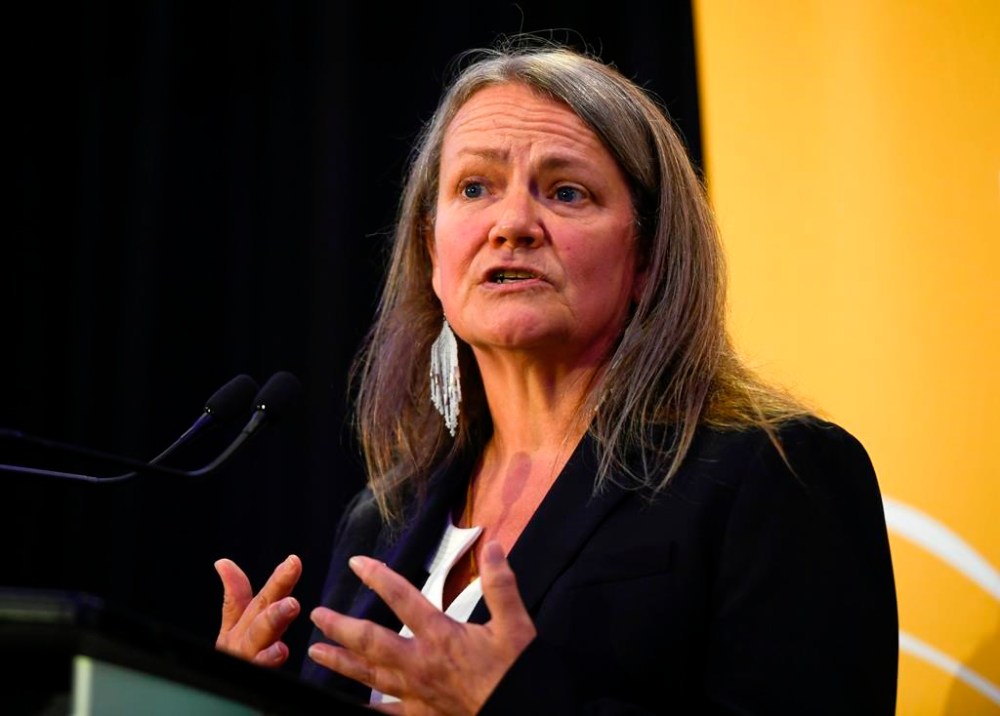
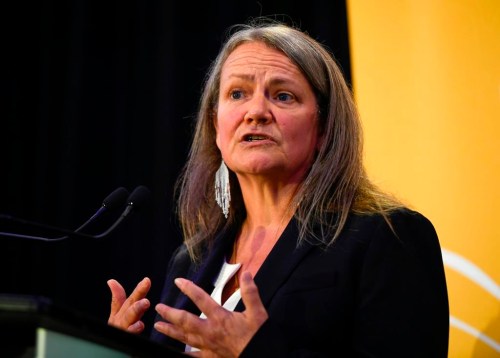
Kimberly Murray, special interlocutor for missing children and unmarked burials, called for an Indigenous-led investigation process that would follow Indigenous practices and protocols. This would act similarly to community, coroner and police investigations.
“The work of recovery can be done in ways that respect Indigenous protocols and respects and honours the family, children, survivors and communities,” said Murray.
One of the themes was pushing to get institutions like churches and universities to have records readily available for families of residential school victims.
“I encourage all those institutions to actually look in their archives and do the work, and not sit back,” she said.
Rev. Carmen Lansdowne, a representative of the United Church of Canada who is a member of Heiltsuk First Nation in British Columbia, teared up while addressing her conflicting relationship with residential schools and the church.
Lansdowne’s grandfather attended St. Michael’s residential school in Alert Bay for 12 years. When revisiting the trauma, he went into a coma for three months.
“It is a very mixed blessing to be the spiritual leader and the public representative of a church that operated residential schools,” said Lansdowne.
Murray was appointed earlier this year to work with Indigenous communities to help them search for unmarked burial sites.

She said her office will hold another gathering in Winnipeg in November and one in Vancouver in January.
Many investigations are being done at former residential schools across Canada following the discovery last year of what are believed to be 215 unmarked graves at a former school site in Kamloops, B.C.
An estimated 150,000 Indigenous children were forced to attend residential schools in Canada.
The Truth and Reconciliation Commission has documented stories from survivors and families detailing mistreatment at the schools, including emotional, physical and sexual abuse. It said there were at least 4,100 deaths at the institutions.
This report by The Canadian Press was first published Sept. 14, 2022
The Free Press acknowledges the financial support it receives from members of the city’s faith community, which makes our coverage of religion possible.