Pittsburgh synagogue killer has extensive history of mental illness, defense expert testifies
Advertisement
Read this article for free:
or
Already have an account? Log in here »
To continue reading, please subscribe:

Digital Subscription
One year of digital access for only $205*
- Enjoy unlimited reading on winnipegfreepress.com
- Read the E-Edition, our digital replica newspaper
- Access News Break, our award-winning app
- Play interactive puzzles
*First annual payment billed as $205.00 + GST for one year. This annual subscription will automatically renew at $233.00 + GST every 52 weeks (10% off the regular annual price of $259.35). Offer available to new and qualified returning subscribers only. Cancel any time.
To continue reading, please subscribe:
Add Free Press access to your Brandon Sun subscription for only an additional
$1 for the first 4 weeks*
- Enjoy unlimited reading on winnipegfreepress.com
- Read the E-Edition, our digital replica newspaper
- Access News Break, our award-winning app
- Play interactive puzzles
*Your next Brandon Sun subscription payment will increase by $1.00 and you will be charged $17.95 plus GST for four weeks. After four weeks, your payment will increase to $24.95 plus GST every four weeks.
Read unlimited articles for free today:
or
Already have an account? Log in here »
Hey there, time traveller!
This article was published 28/06/2023 (1194 days ago), so information in it may no longer be current.
PITTSBURGH (AP) — A gunman who massacred 11 worshippers at a Pittsburgh synagogue has a “very serious mental health history” from childhood and a “markedly abnormal” brain, a defense expert testified Wednesday in the penalty phase of the killer’s trial.
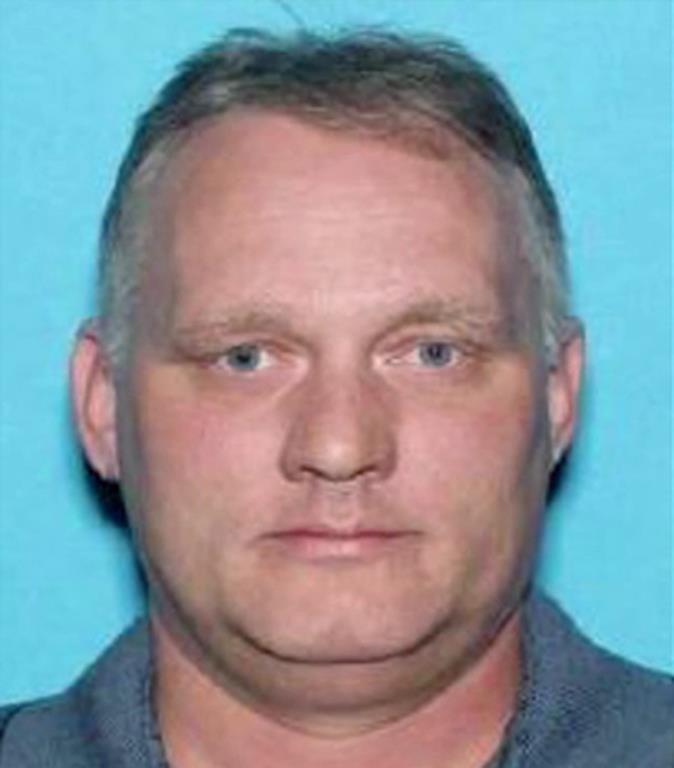
Defense lawyers for Robert Bowers are trying to persuade a jury to spare his life, while federal prosecutors are seeking a death sentence for the 50-year-old truck driver from suburban Baldwin, who was convicted this month in the deadliest antisemitic attack in U.S. history.
Dr. Siddhartha Nadkarni, who performed a neurological examination of Bowers in 2021, took the stand as a defense expert on Wednesday and told jurors that he diagnosed Bowers with schizophrenia, a serious brain disorder whose symptoms include delusions and hallucinations, as well as epilepsy.
“I think he was living on the margins” at the time of the attack, said Nadkarni, a New Jersey-based neurologist. “He was isolated.”
Bowers’ lawyers are trying to show that his ability to form intent to kill was impaired by mental illness. The defense presented evidence that he had attempted suicide multiple times since adolescence, threw flammable liquid on his mother and tried to ignite it when he was 13, and was involuntarily committed for psychiatric treatment at least three times, most recently in 2004.
Bowers had a “flat, rigid affect” when he was examined by Nadkarni, the neurologist told jurors. He also had a delusion that ink was leaching from his prison uniform into his body and making his prison wristband change color, Nadkarni said.
Prosecutors say it was antisemitism that motivated Bowers to kill. He ranted incessantly on social media about his hatred of Jewish people before the 2018 attack and told police at the scene that “all these Jews need to die.”
Under cross examination, Nadkarni said Bowers was not “incapable” of planning the attack, but said “his reasons for planning it out are unreliable in his brain.”

On Tuesday, three local doctors who reviewed the results of various brain scans of Bowers told the jury they found them to be largely normal with some signs of possible seizures or other problems.
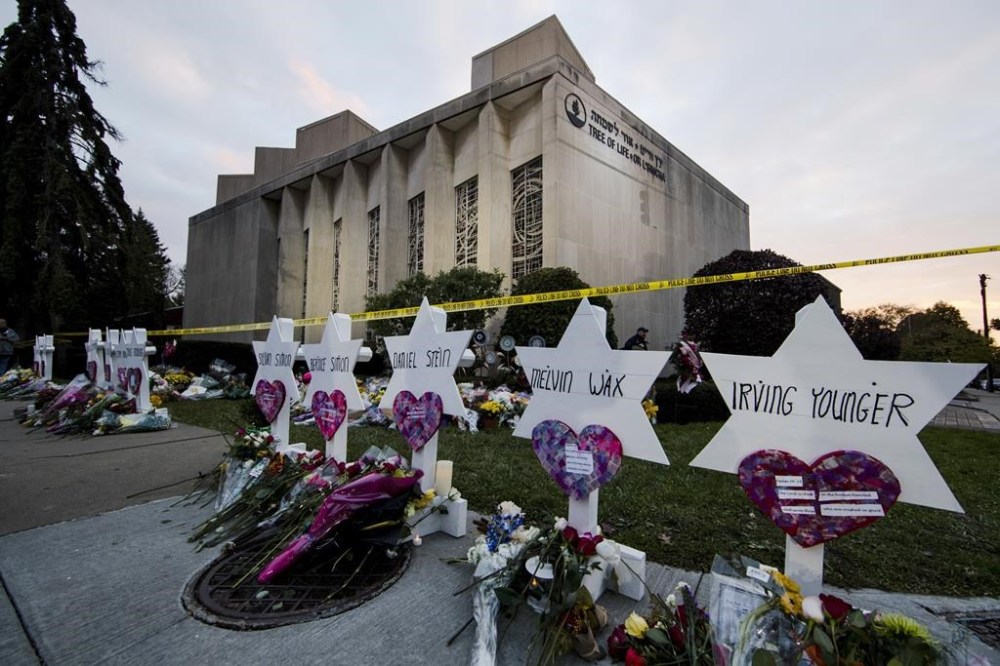
Bowers killed members of three congregations as Sabbath services got underway at Tree of Life synagogue, in the heart of Pittsburgh’s Jewish community.
The Free Press acknowledges the financial support it receives from members of the city’s faith community, which makes our coverage of religion possible.