Focus on mental health
Institute for Muslim Mental Health-Canada hosting conference
Advertisement
Read this article for free:
or
Already have an account? Log in here »
To continue reading, please subscribe:

Digital Subscription
One year of digital access for only $205*
- Enjoy unlimited reading on winnipegfreepress.com
- Read the E-Edition, our digital replica newspaper
- Access News Break, our award-winning app
- Play interactive puzzles
*First annual payment billed as $205.00 + GST for one year. This annual subscription will automatically renew at $233.00 + GST every 52 weeks (10% off the regular annual price of $259.35). Offer available to new and qualified returning subscribers only. Cancel any time.
To continue reading, please subscribe:
Add Free Press access to your Brandon Sun subscription for only an additional
$1 for the first 4 weeks*
- Enjoy unlimited reading on winnipegfreepress.com
- Read the E-Edition, our digital replica newspaper
- Access News Break, our award-winning app
- Play interactive puzzles
*Your next Brandon Sun subscription payment will increase by $1.00 and you will be charged $17.95 plus GST for four weeks. After four weeks, your payment will increase to $24.95 plus GST every four weeks.
Read unlimited articles for free today:
or
Already have an account? Log in here »
Hey there, time traveller!
This article was published 22/06/2024 (831 days ago), so information in it may no longer be current.
A national conference focused on mental health issues in the Muslim community, and especially among Muslim youth, was organized long before a 29-year-old man died of wounds self-inflicted at a Winnipeg mosque last weekend. That tragedy, however, underscored the intensity of the current mental health crisis among that demographic, while simultaneously demonstrating why a conference devoted to better understanding and responding to that crisis is so warranted.
The Hope, Helpers, Healing: Mental Health Aspects of Discrimination conference, taking place at the Hilton Suites Winnipeg Airport this weekend, is the second national conference being hosted by the Institute for Muslim Mental Health-Canada. The institute was founded by the Islamic Social Services Association two years ago.
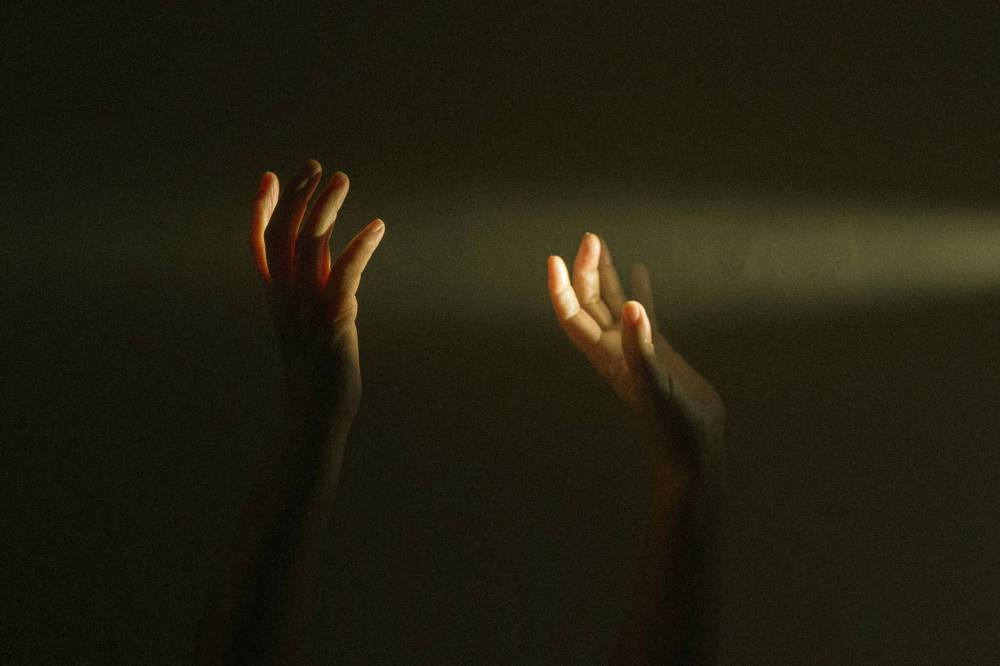
As the World Health Organization has documented, there has been a substantial increase in youth mental health challenges in recent years due to a number of factors, among them social media, social isolation, substance abuse, family dynamics, worries over climate change and the lingering effects of the pandemic. This increase is evident in all youth populations, regardless of faith, heritage, cultural practices or socioeconomic status.
LUIS DALVAN / PEXELS.COM
As the World Health Organization has documented, there has been a substantial increase in youth mental health challenges in recent years due to a number of factors.
For Muslim youth In Canada, however, the situation has been exacerbated by other factors as well.
“Recently, there has been an increase in youth mental health issues, especially within the Muslim community,” confirms Dr. Amjed Abojedi, a London, Ont.-based psychotherapist and one of the conference’s main speakers. “This is due to many factors such as increased Islamophobia and discrimination, lack of access to services, and stigma around these services.”
“Psychotherapy and counselling,” he continues, “are not often considered the first line of treatment, and there is a lack of awareness among families who may view mental health issues as temporary conditions that will improve over time. These misconceptions can complicate the situation.”
The conference, currently underway, is looking at the broad range of factors that impact mental well-being among Muslim community members, with a special emphasis on the issue of increased anti-Muslim sentiment and discrimination across the country.
“This conference will be dealing with the impacts on Muslim well-being in Canada as a result of local, national and international events that are impacting and are causing us providers concerns, as well as the rise in the impacts of vicarious trauma and anxiety,” explains Shahina Siddiqui, co-founder of the local Islamic Social Services Association and chair of the conference.
“The history of Islamophobia precedes 9/11,” continues Siddiqui. “Our rights are compromised, hate has killed Canadian Muslims, discriminations is at an all-time high, and the silencing, ignoring and dismissing of the legitimate concerns by political leadership is creating a perfect storm of mental health fallout.”

“Othering,” she adds, “is leading to self othering and that is not healthy, especially for our youth (ages) 12 to 30.”
Mike Thiessen / Free Press files
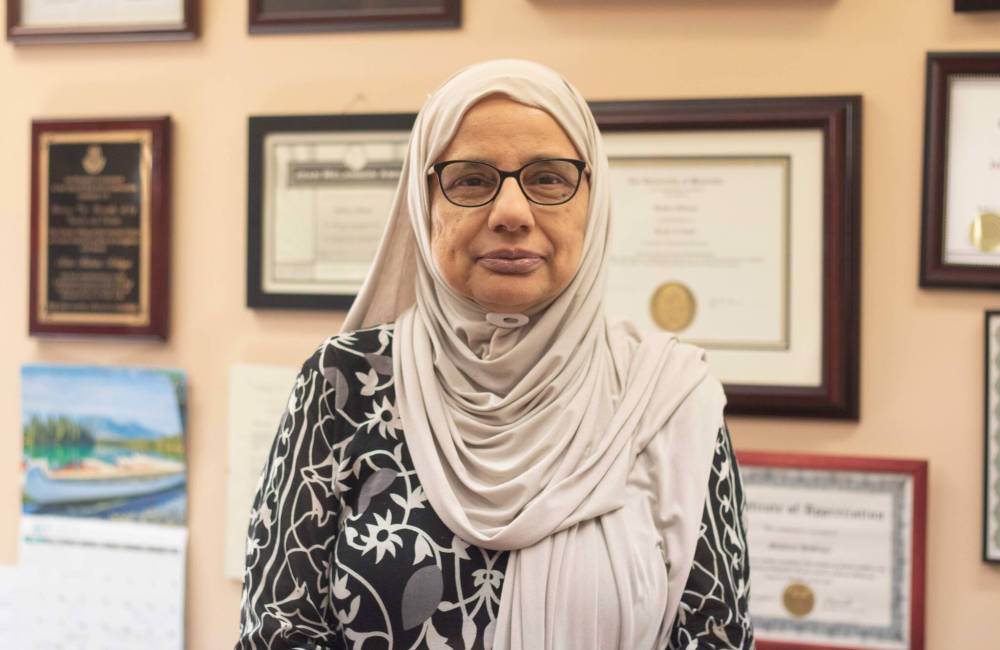
Shahina Siddiqui is co-founder of the local Islamic Social Services Association
While Siddiqui and Abojedi are the conference’s keynote speakers, the 60 social workers, mental health care providers, and faith leaders in attendance will have opportunities to share their own experiences and concerns during round-table discussions. They will learn about the best practices with which to build capacity and resilience in Muslim youth, as well as the need for culturally safe, spiritually infused and trauma informed mental health supports and strategies.
Creating opportunities for practitioners’ professional development, in fact, is a critical aspect of the conference.
“Part of the Muslim community comes from backgrounds of refugees and immigrants, where they have faced trauma and dealt with high-stress situations,” Abojedi explains. “Therefore, it is crucial to develop the capacity among therapists to understand these unique needs and factors and to offer services that are culturally informed.”
swchisvin@gmail.com
The Free Press is committed to covering faith in Manitoba through our Religion in the News project. This reporting continues because readers like you step forward to fund it.
Donate now to support our reporting on religion.
Your donation is eligible for a charitable tax receipt.
BECOME A FAITH JOURNALISM SUPPORTER
The Free Press acknowledges the financial support it receives from members of the city’s faith community, which makes our coverage of religion possible.