EPA agrees to make Pennsylvania cut Chesapeake Bay pollution
Advertisement
Read this article for free:
or
Already have an account? Log in here »
To continue reading, please subscribe:

Digital Subscription
One year of digital access for only $205*
- Enjoy unlimited reading on winnipegfreepress.com
- Read the E-Edition, our digital replica newspaper
- Access News Break, our award-winning app
- Play interactive puzzles
*First annual payment billed as $205.00 + GST for one year. This annual subscription will automatically renew at $233.00 + GST every 52 weeks (10% off the regular annual price of $259.35). Offer available to new and qualified returning subscribers only. Cancel any time.
To continue reading, please subscribe:
Add Free Press access to your Brandon Sun subscription for only an additional
$1 for the first 4 weeks*
- Enjoy unlimited reading on winnipegfreepress.com
- Read the E-Edition, our digital replica newspaper
- Access News Break, our award-winning app
- Play interactive puzzles
*Your next Brandon Sun subscription payment will increase by $1.00 and you will be charged $17.95 plus GST for four weeks. After four weeks, your payment will increase to $24.95 plus GST every four weeks.
Read unlimited articles for free today:
or
Already have an account? Log in here »
Hey there, time traveller!
This article was published 20/04/2023 (1258 days ago), so information in it may no longer be current.
BALTIMORE (AP) — Pennsylvania must minimize its outsized role in polluting the Chesapeake Bay, according to a proposed settlement agreement announced Thursday that would subject the state to increased oversight from federal environmental officials.
The agreement comes after other jurisdictions in the bay’s watershed — Maryland, Virginia, Delaware and the District of Columbia — filed a lawsuit in 2020 arguing Pennsylvania wasn’t pulling its weight in their collective effort to reach a 2025 pollution reduction goal. The states were looking to reduce harmful nutrient and sediment runoff that flows from farms and cities into the Chesapeake.
Environmental groups also filed a similar lawsuit around the same time, and the two were combined. Thursday’s agreement between the plaintiffs and the U.S. Environmental Protection Agency would resolve both.
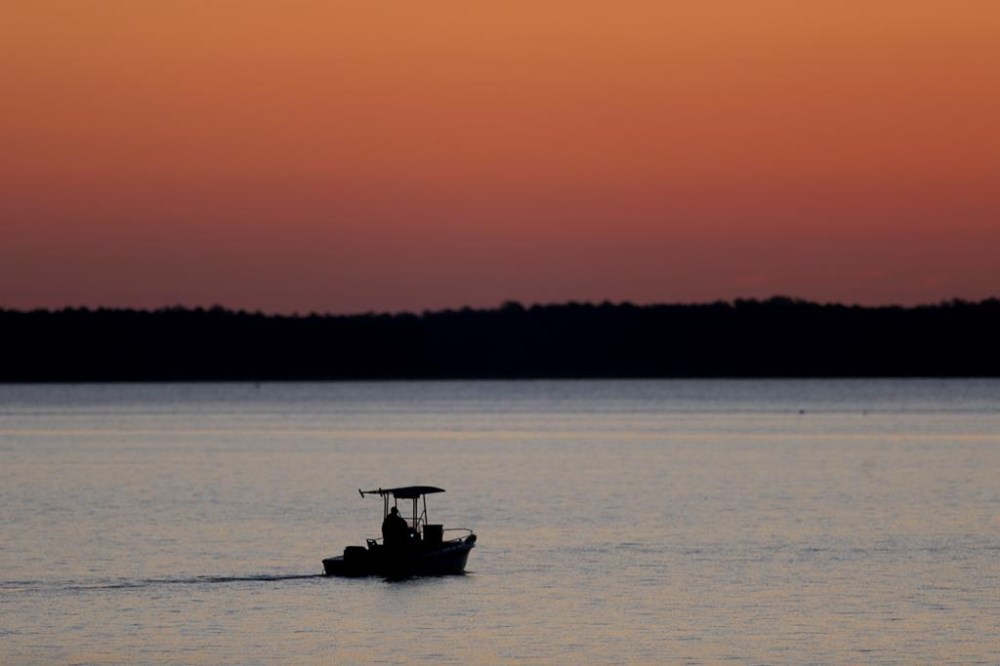
“The bay is a national treasure and a vital part of Maryland’s identity,” Maryland Attorney General Anthony Brown said on a call with reporters Thursday afternoon. “Marylanders deserve a clean, healthy bay … but we can only get so far without the commitment and the effort of all jurisdictions within the bay’s watershed.”
The nation’s largest estuary has been gradually rebounding under a federal cleanup program launched in 1983 that put an end to unbridled pollution, but more recent efforts have been lagging.
In Pennsylvania, the Susquehanna River cuts through the state’s farmland, picking up polluted runoff before pouring into the Chesapeake in Maryland — producing about half of its fresh water supply.
The 2020 litigation arose from an earlier settlement agreement that required the watershed states to each implement a pollution reduction plan by 2025. Pennsylvania largely did not follow through, and federal environmental officials have failed to adequately intervene, according to the lawsuits.
The so-called “pollution diet” sets limits in the Chesapeake for nitrogen and phosphorous, as well as sediment. The nutrient pollution often comes from agricultural fertilizer and livestock waste. It stimulates excessive algae growth that can create low-oxygen dead zones where aquatic animals and plants are unable to survive — bad news for Maryland’s crab industry, oyster harvests and more.
Robert T. Brown, president of the Maryland Watermen’s Association, said the upcoming fish spawning season provides an annual reminder of the myriad values of clean water.
“This is a major victory for the Chesapeake Bay,” he said of the proposed settlement.
The agreement, which will undergo a 30-day public comment period before taking effect, provides a mechanism for holding EPA officials accountable if they fail to enforce pollution requirements. It also lays out specific oversight actions — including an annual report examining Pennsylvania’s progress that will be published online — and calls for additional grant funding opportunities to help Pennsylvania make necessary changes. The state has more farmland than others in the watershed, a source of pollution that has proven difficult to address.
Federal officials also agreed to exercise more oversight of other pollution sources in Pennsylvania, such as factories, concentrated livestock operations and sewage treatment plants. That includes identifying and regulating them through an existing EPA permitting process.
However, the agreement avoids asserting a broader definition of the EPA’s oversight role under the Clean Water Act, saying the parties disagree on whether it’s “mandatory or discretionary.”
Officials with the Pennsylvania Department of Environmental Protection didn’t immediately respond to a request for comment Thursday afternoon.
New York was also a named defendant in the initial litigation, but later dropped from the lawsuit after it adequately amended its pollution reduction plans.
While the litigation was ongoing, Pennsylvania officials took steps to improve their implementation of a pollution reduction plan and obtain adequate funding. Last year, state lawmakers approved $154 million in pandemic-relief funding for a program that would help farmers implement more sustainable practices and prevent nutrients from entering the watershed.
Environmental groups have credited the Biden administration for signing onto the proposed settlement agreement, saying the decision demonstrates a commitment to curbing pollution that was missing under former President Donald Trump.
Despite the optimism, however, the 2025 pollution targets probably won’t be achieved, said Hilary Harp Falk, president of the nonprofit Chesapeake Bay Foundation.
The Chesapeake Bay Clean Water Blueprint, a plan established in 2010 to reduce pollution, has already faced significant challenges and slow progress. In a report earlier this year monitoring the bay’s health, the foundation said polluted runoff was increasing amid inconsistent enforcement from government agencies, new development and climate change, which is causing stronger rainstorms that produce more polluted runoff.
“While 2025 will be yet another missed deadline, the Blueprint’s goal remains achievable and should remain our north star,” Falk said in a statement Thursday. “Together, we must build on lessons learned and accelerate progress toward a new deadline measured in years — not decades.”
EPA officials said they were unable to comment on the proposed settlement agreement during the 30-day public comment period.
“The agreement is just one part of EPA’s broader strategy to work with the Bay States and other stakeholders … to restore the Chesapeake Bay,” the agency said in a statement.