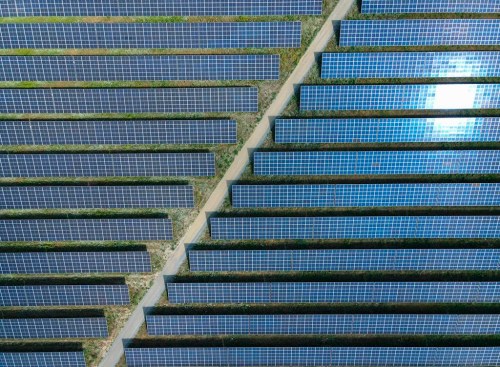
Renewable energy surges, driven by solar boom and high fuel prices, report finds
Advertisement
Read this article for free:
or
Already have an account? Log in here »
To continue reading, please subscribe:

Digital Subscription
One year of digital access for only $205*
- Enjoy unlimited reading on winnipegfreepress.com
- Read the E-Edition, our digital replica newspaper
- Access News Break, our award-winning app
- Play interactive puzzles
*First annual payment billed as $205.00 + GST for one year. This annual subscription will automatically renew at $233.00 + GST every 52 weeks (10% off the regular annual price of $259.35). Offer available to new and qualified returning subscribers only. Cancel any time.
To continue reading, please subscribe:
Add Free Press access to your Brandon Sun subscription for only an additional
$1 for the first 4 weeks*
- Enjoy unlimited reading on winnipegfreepress.com
- Read the E-Edition, our digital replica newspaper
- Access News Break, our award-winning app
- Play interactive puzzles
*Your next Brandon Sun subscription payment will increase by $1.00 and you will be charged $17.95 plus GST for four weeks. After four weeks, your payment will increase to $24.95 plus GST every four weeks.
Read unlimited articles for free today:
or
Already have an account? Log in here »
Hey there, time traveller!
This article was published 01/06/2023 (1223 days ago), so information in it may no longer be current.
BERLIN (AP) — The world is set to add a record amount of renewable electricity capacity this year as governments and consumers seek to offset high energy prices and take advantage of a boom in solar power, according to a new report Thursday.
The International Energy Agency said high fossil fuel prices — resulting from Russia’s attack on Ukraine — and concerns about energy security had boosted the rollout of solar and wind power installations, which are expected to reach 440 gigawatts in 2023.
That’s about a third more than the world added the previous year, taking the global installed capacity to 4,500 GW, roughly the combined total power output of the United States and China, the Paris-based agency said.
“The global energy crisis has shown renewables are critical for making energy supplies not just cleaner but also more secure and affordable,” said Fatih Birol, the IEA’s executive director.
“Governments are responding with efforts to deploy them faster,” he said. Recent incentives to install renewables introduced by the Biden administration are already driving a significant uptake in the United States.
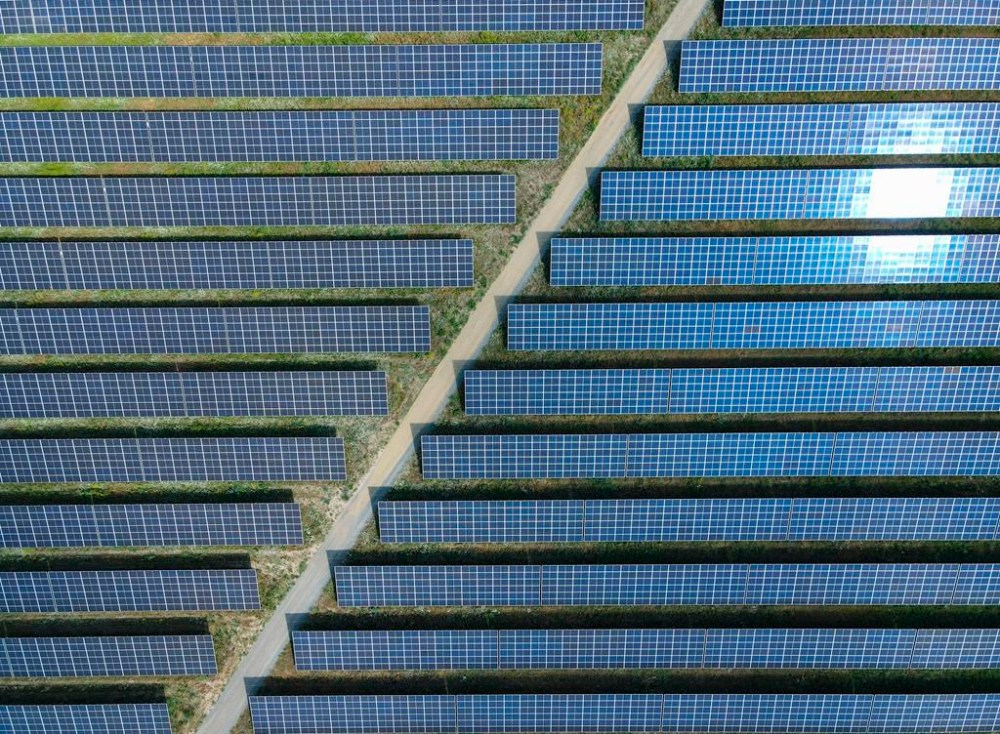
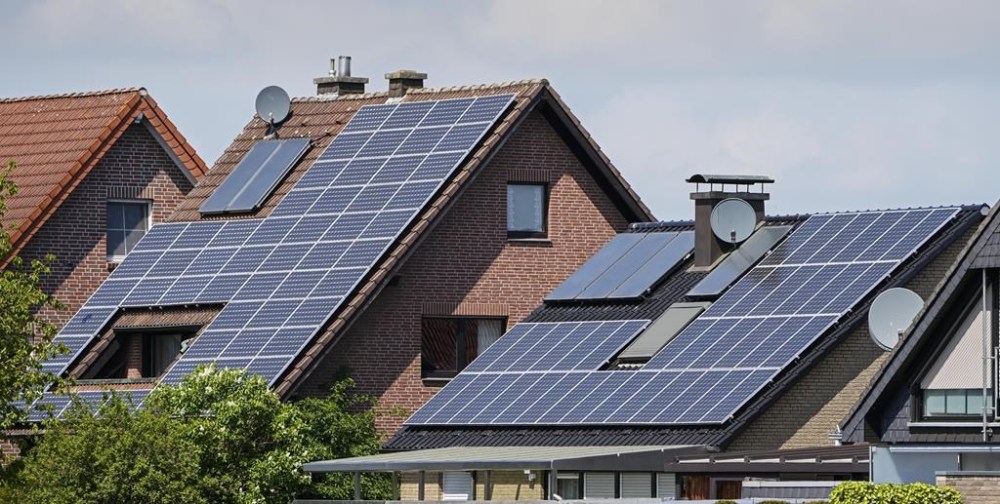
About two-thirds of this year’s increase in renewable power capacity will come from photovoltaic, with both large-scale solar farms and consumer rooftop installations seeing significant growth.
IEA said manufacturing capacity for PV components was also surging, especially in China.
Construction of new wind farms is predicted to rebound after a period of low growth. However, in contrast to solar manufacturing, the supply chains for wind turbines aren’t growing fast enough to meet demand, the agency said.
Birol also cautioned that power grids must be upgraded and expanded to cope with the intermittent nature of solar and wind power, which require a fundamentally different approach by network operators compared with existing coal, gas or nuclear plants.
The report forecast that several European countries, including Spain, Germany and Ireland, will see wind and solar’s combined share of their overall annual electricity generation top 40% by 2024.
Shifting the global economy away from fossil fuels is one of the most important steps for reducing greenhouse gas emissions that cause global warming.
Experts say that to meet the Paris climate accord’s goal of limiting temperature rise since pre-industrial times to 1.5 degrees Celsius (2.7 Fahrenheit), emissions need to be halved by 2030 and cut to “net zero” by mid-century.
The International Renewable Energy Agency, a separate body, has called for a major increase in wind and solar investments. Nations are expected to discuss setting an international target for the rollout of renewable energy at this year’s U.N. climate summit in Dubai.