N.W.T. reports suspected anthrax outbreak in Slave River Lowlands bison
Advertisement
Read this article for free:
or
Already have an account? Log in here »
To continue reading, please subscribe:

Digital Subscription
One year of digital access for only $205*
- Enjoy unlimited reading on winnipegfreepress.com
- Read the E-Edition, our digital replica newspaper
- Access News Break, our award-winning app
- Play interactive puzzles
*First annual payment billed as $205.00 + GST for one year. This annual subscription will automatically renew at $233.00 + GST every 52 weeks (10% off the regular annual price of $259.35). Offer available to new and qualified returning subscribers only. Cancel any time.
To continue reading, please subscribe:
Add Free Press access to your Brandon Sun subscription for only an additional
$1 for the first 4 weeks*
- Enjoy unlimited reading on winnipegfreepress.com
- Read the E-Edition, our digital replica newspaper
- Access News Break, our award-winning app
- Play interactive puzzles
*Your next Brandon Sun subscription payment will increase by $1.00 and you will be charged $17.95 plus GST for four weeks. After four weeks, your payment will increase to $24.95 plus GST every four weeks.
Read unlimited articles for free today:
or
Already have an account? Log in here »
Hey there, time traveller!
This article was published 04/07/2023 (1139 days ago), so information in it may no longer be current.
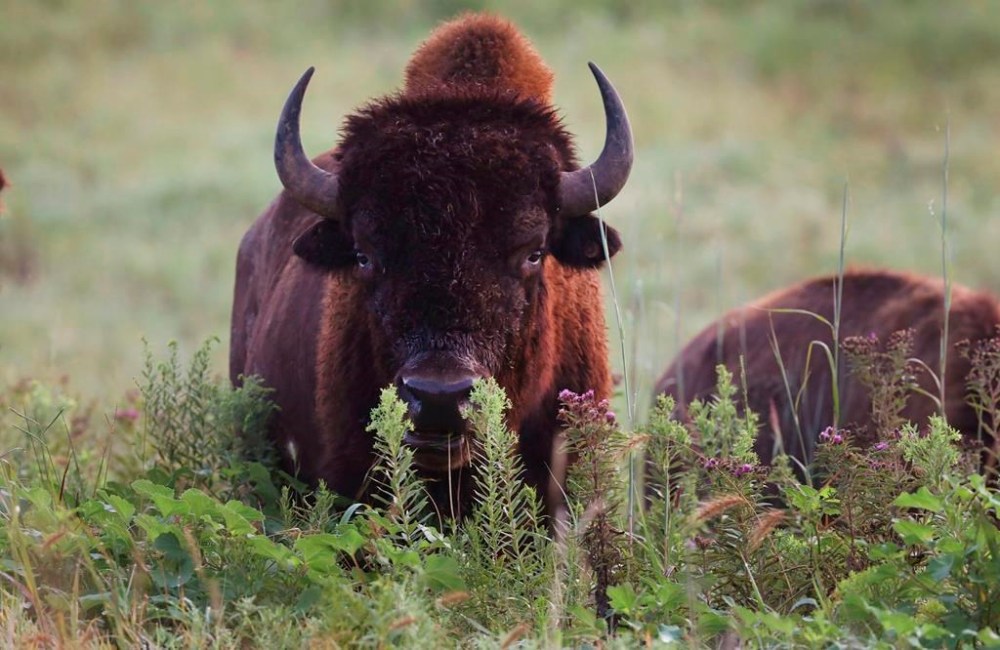
YELLOWKNIFE – The Northwest Territories government says there is a suspected anthrax outbreak among the Slave River Lowlands bison population.
The Department of Environment and Climate Change says 15 bison carcasses were found in the area between Fort Smith and Fort Resolution over the weekend, and test results on the carcasses are pending.
The department says an incident management team is working to rapidly detect and dispose of the infected bison and keep people away from the area.
The team will also incinerate or chemically treat the bison and surrounding grass to prevent the spread of anthrax spores.
Anthrax rarely spreads to humans and is almost never transmitted from person to person.
About 95 per cent of all human cases of anthrax result from skin contact with infected animals and, while it can be treated with antibiotics, can be fatal if left untreated.
This report by The Canadian Press was first published July 4, 2023.