US judge blocks water pipeline in Montana that was meant to boost rare fish
Advertisement
Read this article for free:
or
Already have an account? Log in here »
To continue reading, please subscribe:

Digital Subscription
One year of digital access for only $205*
- Enjoy unlimited reading on winnipegfreepress.com
- Read the E-Edition, our digital replica newspaper
- Access News Break, our award-winning app
- Play interactive puzzles
*First annual payment billed as $205.00 + GST for one year. This annual subscription will automatically renew at $233.00 + GST every 52 weeks (10% off the regular annual price of $259.35). Offer available to new and qualified returning subscribers only. Cancel any time.
To continue reading, please subscribe:
Add Free Press access to your Brandon Sun subscription for only an additional
$1 for the first 4 weeks*
- Enjoy unlimited reading on winnipegfreepress.com
- Read the E-Edition, our digital replica newspaper
- Access News Break, our award-winning app
- Play interactive puzzles
*Your next Brandon Sun subscription payment will increase by $1.00 and you will be charged $17.95 plus GST for four weeks. After four weeks, your payment will increase to $24.95 plus GST every four weeks.
Read unlimited articles for free today:
or
Already have an account? Log in here »
Hey there, time traveller!
This article was published 03/08/2023 (1169 days ago), so information in it may no longer be current.
BILLINGS, Mont. (AP) — A U.S. judge blocked a proposed water pipeline through a wilderness area in southwest Montana that was intended to help a rare fish species that’s in sharp decline due to habitat loss, warming temperatures and other pressures.
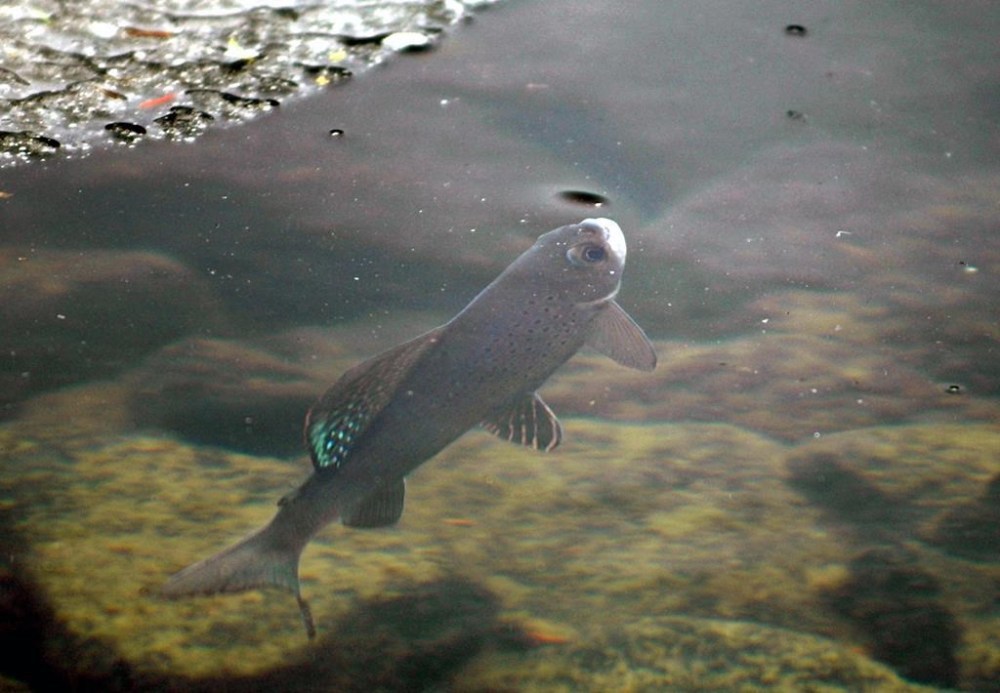
The mile-long pipeline was intended to move oxygenated water that’s beneficial for fish from a creek to a lake in the Red Rock Lakes Wilderness — winter home for one of the last few populations of Arctic grayling in the Lower 48 states. The fish are prized by many anglers and known for their sail-like dorsal fins.
U.S. District Judge Donald Molloy said in a Wednesday ruling that environmentalists who sued to stop the pipeline raised valid concerns that its construction would disturb the wilderness area, where motor vehicles, roads or structures are largely prohibited under federal law.
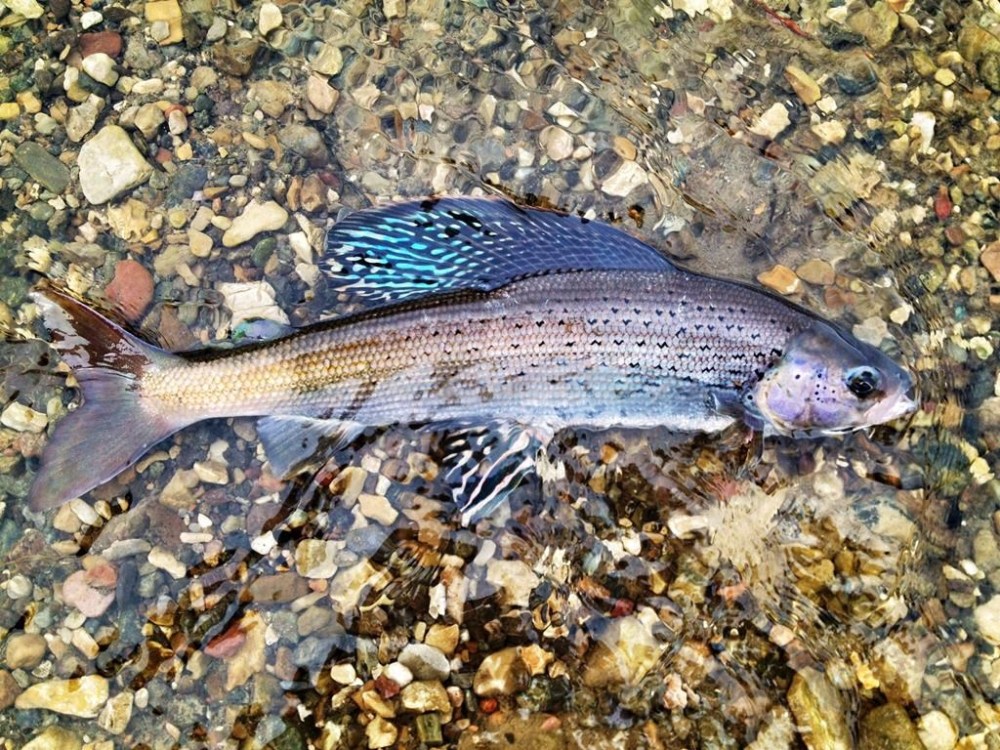
The number of grayling in Montana’s Centennial Valley, which includes the Red Rock Lakes area, plummeted from 1,131 fish in 2015 to 73 fish last year. Federal wildlife officials in 2020 decided protections for Montana grayling were not needed because of ongoing conservation efforts.
Among those efforts was the pipeline project that was scheduled to begin construction as soon as this month. By piping in creek water — which becomes more oxygenated as it splashes downstream — officials hoped to offset a drop in oxygen in the lake, caused when it freezes over and aquatic plants die, sucking oxygen from the water as they decompose.
Molloy said other attempts to increase oxygen levels for grayling were unsuccessful. Those have included equipment to stir lake water so it would not fully freeze.
“The record indicates that the agency is experimenting with a new management approach that it thinks will work, but is likely not a final solution,” Molloy wrote. He added that even if it might help in the short term, the plaintiffs had “raised a serious question” about whether the pipeline complied with the Wilderness Act.
“The mere possibility that the proposed action may aid in Arctic grayling conservation is not enough to create necessity,” he said.

Representatives of the groups that sued over the pipeline — Wilderness Watch, Alliance for the Wild Rockies, Gallatin Wildlife Association, and Yellowstone to Uintas Connection — have pushed the wildlife service to instead address human impacts to grayling. Those include fishing and depleted flows in rivers where the fish spawn because of water withdrawals by farmers.
“The U.S. Fish and Wildlife Service chose a course of action it knew would violate the Wilderness Act, rather than address the root causes of grayling decline,” Wilderness Watch Executive Director George Nickas said in a statement.
U.S. Fish and Wildlife Service representatives did not immediately respond to questions about the ruling.
A separate lawsuit from a different group of environmentalists is trying to force the federal agency to protect the species throughout the Upper Missouri River basin of Montana under the Endangered Species Act. Grayling also live parts of Canada and Alaska, where populations are considered healthy.
Wildlife advocates petitioned federal officials to protect Arctic grayling in 1991. Officials determined in 1994 and again in 2010 that protections were needed, but they were never imposed because other species were given a higher priority.