Spotless arrival: Rare giraffe without coat pattern is born at Tennessee zoo
Advertisement
Read this article for free:
or
Already have an account? Log in here »
To continue reading, please subscribe:

Digital Subscription
One year of digital access for only $205*
- Enjoy unlimited reading on winnipegfreepress.com
- Read the E-Edition, our digital replica newspaper
- Access News Break, our award-winning app
- Play interactive puzzles
*First annual payment billed as $205.00 + GST for one year. This annual subscription will automatically renew at $233.00 + GST every 52 weeks (10% off the regular annual price of $259.35). Offer available to new and qualified returning subscribers only. Cancel any time.
To continue reading, please subscribe:
Add Free Press access to your Brandon Sun subscription for only an additional
$1 for the first 4 weeks*
- Enjoy unlimited reading on winnipegfreepress.com
- Read the E-Edition, our digital replica newspaper
- Access News Break, our award-winning app
- Play interactive puzzles
*Your next Brandon Sun subscription payment will increase by $1.00 and you will be charged $17.95 plus GST for four weeks. After four weeks, your payment will increase to $24.95 plus GST every four weeks.
Read unlimited articles for free today:
or
Already have an account? Log in here »
Hey there, time traveller!
This article was published 22/08/2023 (1136 days ago), so information in it may no longer be current.
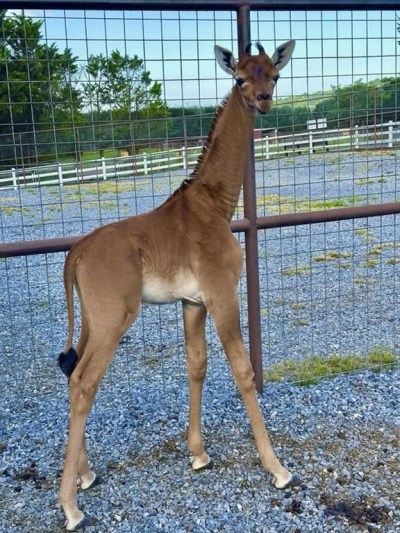
A giraffe without spots at a Tennessee zoo may be plain, but she’s definitely not ordinary.
The female reticulated giraffe was born July 31 at the family-owned Brights Zoo in Limestone, a rural community in northeastern Tennessee.
David Bright, one of the zoo’s owners, said the plain brown animal is a rarity: Research found another giraffe that was born without a pattern in Tokyo in 1972 and two others before that. The spots serve as camouflage for giraffes in the wild.
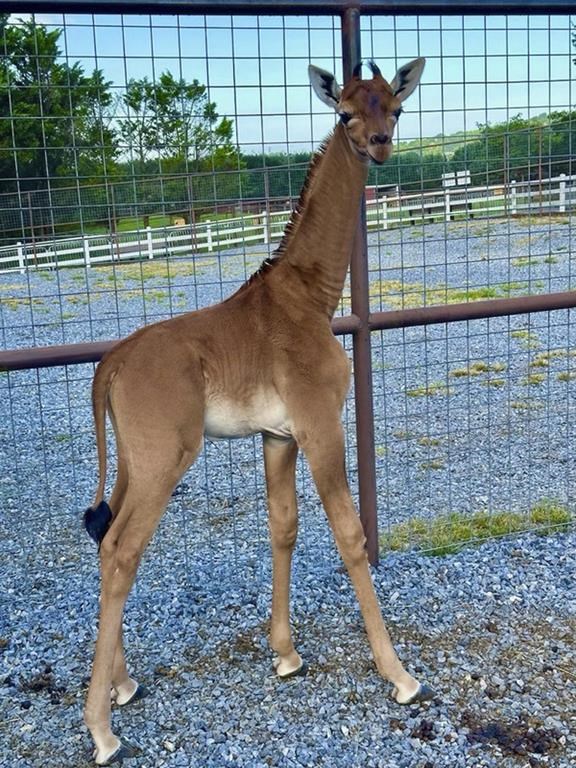
The yet-unnamed baby is healthy and on display at the 103-acre zoo along with her mother, he said.
The zoo took the unusual step of posting about the giraffe on its Facebook page in an effort to help conservation efforts, Bright said.
“We generally do not post really any babies in the zoo but with this being such a unique situation, we knew that it would bring a lot of attention to giraffes, which would help us point people in the right direction of ‘hey, here’s how you can help giraffes in the wild,’” he said.

The number of animals in the wild have declined in recent decades, according to the Giraffe Conservation Foundation. There were about 155,000 giraffes in Africa in the 1980s compared to about 117,000 today.
“We believe that giraffe numbers have dropped by about 30% in the last 30-35 years, however, we also see that conservation efforts are making a difference,” foundation Director Stephanie Fennessy said in a statement.
Along with asking the public to help pick a name for the animal, the zoo is also asking people to consider donating to conservation efforts.
“We want to ensure that future generations get the opportunity to see these wonderful animals in the future,” the post reads.
Proposed names for the baby include Kipekee, which means unique; Firali, which means unusual; Shakiri, which means most beautiful; or Jamella, which means great beauty. Votes will be tallied on Sept. 4 and the new name announced.