Negotiations over proposed regulations for deep-sea mining plod along as pressure mounts
Advertisement
Read this article for free:
or
Already have an account? Log in here »
To continue reading, please subscribe:

Digital Subscription
One year of digital access for only $205*
- Enjoy unlimited reading on winnipegfreepress.com
- Read the E-Edition, our digital replica newspaper
- Access News Break, our award-winning app
- Play interactive puzzles
*First annual payment billed as $205.00 + GST for one year. This annual subscription will automatically renew at $233.00 + GST every 52 weeks (10% off the regular annual price of $259.35). Offer available to new and qualified returning subscribers only. Cancel any time.
To continue reading, please subscribe:
Add Free Press access to your Brandon Sun subscription for only an additional
$1 for the first 4 weeks*
- Enjoy unlimited reading on winnipegfreepress.com
- Read the E-Edition, our digital replica newspaper
- Access News Break, our award-winning app
- Play interactive puzzles
*Your next Brandon Sun subscription payment will increase by $1.00 and you will be charged $17.95 plus GST for four weeks. After four weeks, your payment will increase to $24.95 plus GST every four weeks.
Read unlimited articles for free today:
or
Already have an account? Log in here »
Hey there, time traveller!
This article was published 08/11/2023 (1068 days ago), so information in it may no longer be current.
SAN JUAN, Puerto Rico (AP) — Debate over proposed regulations for deep-sea mining will stretch into next year as a U.N. agency that presides over the international seabed concluded its last meeting of the year on Wednesday.
The ongoing debate has led to growing concerns that a company or country will be the first in the world to apply for an exploitation license before any regulatory framework is in place.
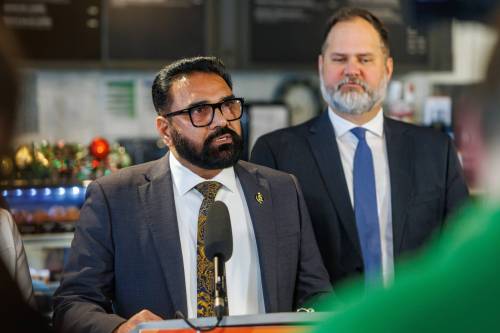
Juan José González, president of the International Seabed Authority’s council, told reporters that if an application is submitted, the council has an obligation to discuss it.
“We would prefer, of course, to have the regulations in place,” he said.
Michael Lodge, the agency’s secretary general, said the council expects to have a mining code draft by 2025.
However, a Canadian company whose subsidiary is widely expected to be the first to apply for a deep-sea mining license, said late last week that it expects to do so in mid-2024.
Corey McLachlan, with The Metals Company, noted that while any country or company now has the legal right to apply for such a license, “we are willing to give (the agency) that additional time and effort.”
The International Seabed Authority has issued more than 30 exploration licenses, but no exploitation ones.
The exploration is taking place in an area of 1.7 million square miles (4.5 million square kilometers) between Hawaii and Mexico at depths of up to 19,000 feet (6,000 meters).
Among those holding an exploration license is Nauru Ocean Resources, Inc., a subsidiary of The Metals Company. It is working with the government of Nauru, a small island in the Pacific, which has pushed for deep-sea mining.
Those seeking to launch deep-sea mining operations say they are meeting an increase in demand for metals including copper, nickel and cobalt used in clean energy technologies. They also argue it is cheaper than land mining and would have less of an environmental impact.
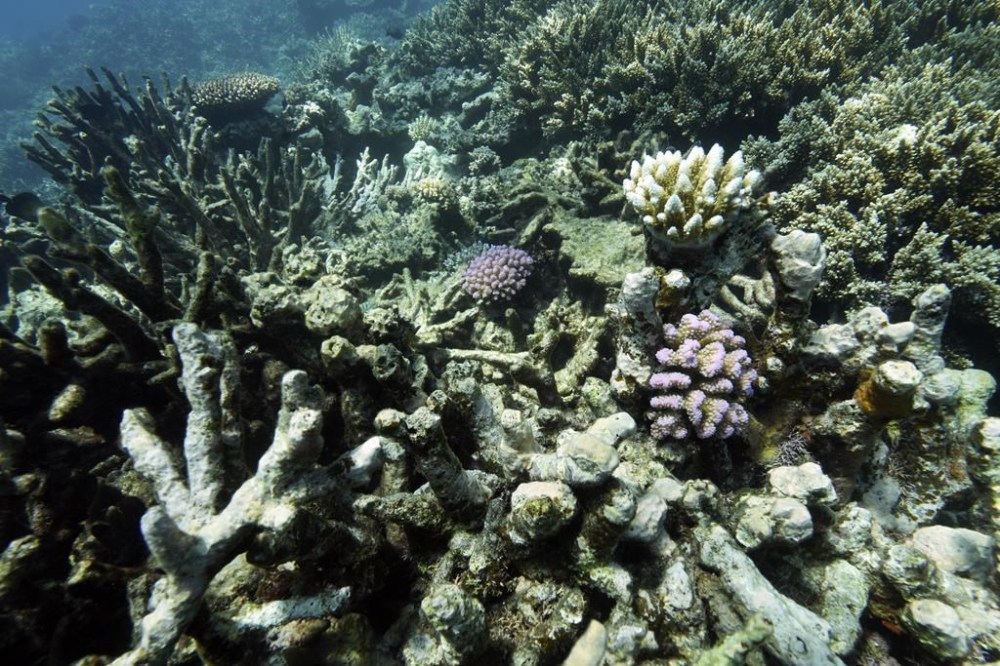
However, scientists and environmental activists have warned that such mining could unleash noise, light and smothering dust storms. They say not enough is known about the world’s deep seas, noting that less than 1% has been explored.
More than 20 countries have called for a moratorium or a ban, and companies including BMW and Samsung have promised to avoid using minerals mined from the ocean’s abyss.
The meeting that ended Wednesday followed nearly two weeks’ worth of negotiations on issues including inspection, enforcement, royalties, environmental concerns and financial terms of potential contracts.
“All countries may well have very different positions on all sorts of things, but all countries agree there should be no exploitation without regulation,” Lodge said.
____
Follow AP’s climate coverage at: https://apnews.com/hub/climate-and-environment