Oil, gas emissions to be cut more than one-third by 2030 but offset credits allowed
Advertisement
Read this article for free:
or
Already have an account? Log in here »
To continue reading, please subscribe:

Digital Subscription
One year of digital access for only $205*
- Enjoy unlimited reading on winnipegfreepress.com
- Read the E-Edition, our digital replica newspaper
- Access News Break, our award-winning app
- Play interactive puzzles
*First annual payment billed as $205.00 + GST for one year. This annual subscription will automatically renew at $233.00 + GST every 52 weeks (10% off the regular annual price of $259.35). Offer available to new and qualified returning subscribers only. Cancel any time.
To continue reading, please subscribe:
Add Free Press access to your Brandon Sun subscription for only an additional
$1 for the first 4 weeks*
- Enjoy unlimited reading on winnipegfreepress.com
- Read the E-Edition, our digital replica newspaper
- Access News Break, our award-winning app
- Play interactive puzzles
*Your next Brandon Sun subscription payment will increase by $1.00 and you will be charged $17.95 plus GST for four weeks. After four weeks, your payment will increase to $24.95 plus GST every four weeks.
Read unlimited articles for free today:
or
Already have an account? Log in here »
Hey there, time traveller!
This article was published 07/12/2023 (1034 days ago), so information in it may no longer be current.
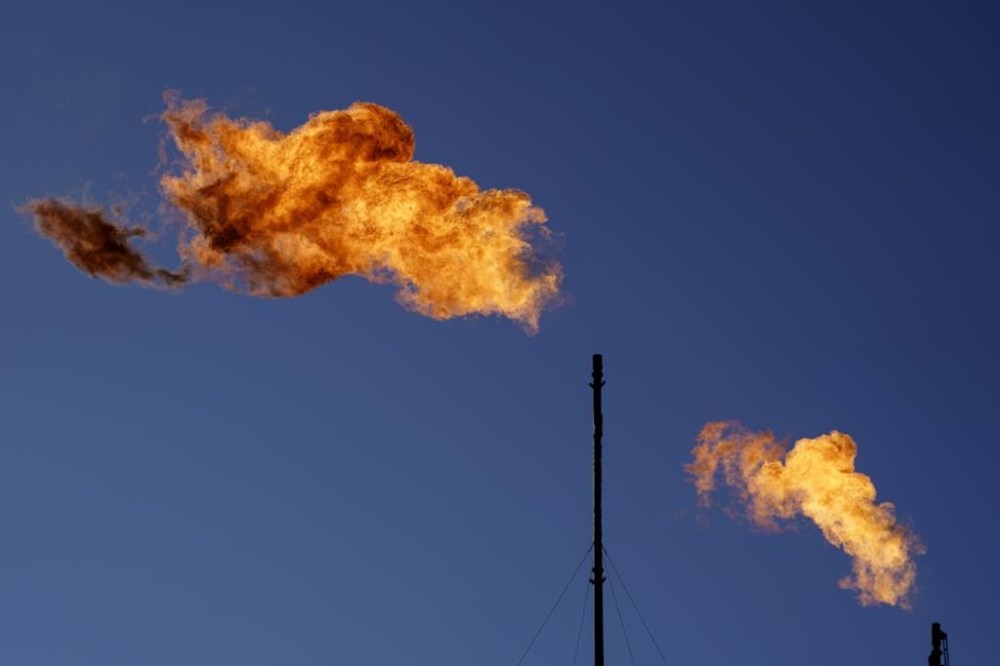
OTTAWA – The oil and gas industry will have to cut emissions by more than one-third within seven years or buy offset credits under a new federal policy.
A cap on emisisons from the fossil fuel sector had been promised by the Liberals since the 2021 election, but the announcement Thursday spelled out exactly how much the government will ask the industry to cut.
By 2030, conventional oil companies, oilsands producers and natural gas companies will collectively have to lower their emissions by 35 to 38 per cent compared to 2019 levels. It will not apply to oil refineries whose emissions are covered by the clean fuel standard regulations.
However, they can buy offset credits or contribute to a decarbonization fund that would lower that requirement to actually cutting just 20 to 23 per cent.
In 2022 the government estimated oil and gas would need to cut 42 per cent over 2019 levels if Canada were to meet its climate targets in 2030.
Environment Minister Steven Guilbeault said the chosen figure was developed after extensive consultation with industry and other stakeholders to make sure it is achievable and not vulnerable to a constitutional challenge from provinces over jurisdiction.
“I think what we’re doing is historical not just in the Canadian context but in the international context as well,” he said. “We’ve never put in place regulations in Canada that would ensure that the oil and gas sector reduces its overall emissions. We’ve never done that.”
A framework outlining the cap was published Thursday, with plans for draft regulations next spring and final regulations in 2025.
Hope of avoiding a legal challenge was limited at best as Alberta Premier Danielle Smith had already signalled plans to challenge the policy in court. She reiterated that promise Thursday.
She called Guilbeault an “eco-extremist” minister and pledged to establish a “constitutional shield” to keep Ottawa out of all Alberta’s affairs.
“This proposed cap also undermines the unity of our country. Albertans will not tolerate it,” Smith said in a statement.
Smith said it is a “de facto” cut to production, but federal ministers strongly denied that claim.
“I don’t know how I can be more clear about this,” said Employment Minister Randy Boissonnault, an Alberta Liberal MP.
“The premier’s wrong. This is about reducing emissions, not putting a cap on production.”
Natural Resources Minister Jonathan Wilkinson said the policy even takes into account the expectation that production will continue to rise for several more years before demand begins to level off.
In terms of actual emissions, the cap asks oil and gas producers to eliminate between 40 and 46 million tonnes of greenhouse gas annually by 2030. That’s approximately the same as what the seven biggest oilsands facilities emit together, or about what between nine and 10 million passenger cars will emit over the course of a year.
It’s also less than one-fifth of what Canada has to eliminate to meet its current 2030 target of reducing overall emissions by 40 to 45 per cent below what they were in 2005.
The Pathways Alliance, a consortium of Canada’s biggest oilsands companies, has estimated it could cut 22 million tonnes by 2030, or more than half of what the federal government wants to see from the fossil fuel sector.
Regulations that will require major cuts in methane will play a big role in covering the rest of the gap.
On Thursday Pathways issued a statement saying it was still studying the new policy but didn’t think it was needed on top of existing carbon pricing systems.
“Imposing an emissions cap, with additional regulatory complexity, does nothing to advance the certainty necessary for the planned multi-billion-dollar decarbonization projects to proceed,” said Pathways president Kendall Dilling.
Oilsands companies have seen emissions more than double since 2005 as production soared. Pathways has long insisted it has already cut emissions per barrel more than one-fifth, and is committed to getting to net-zero by 2050.
Most environment groups grudgingly welcomed the policy Thursday, disappointed the cap was not as strict as they feel necessary and believing the government caved to the demands of big oil.
But it’s at least a start, they said.
Caroline Brouillette, executive director of Climate Action Network Canada, said the fear now is that the measures are still several years from actually being implemented.
“Every day of unregulated emissions from the oil and gas industry means devastating health impacts, more climate catastrophes that destroy homes, and increased cost-of-living for families and communities,” she said.
“Canada’s oil and gas industry’s desperate attempts to avoid regulation at all costs will only intensify — and so must the government’s resolve to side with people and the planet.”
Oil and gas production overall accounts for more than one-quarter of Canada’s emissions, and Guilbeault says a cap is critical to meeting Canada’s climate targets.

The new policy will implement a cap-and-trade system on oil and gas companies, where a maximum allowance — or cap — on emissions is set and that total divided among the relevant companies.
Companies that come in below their purchased or allotted emissions allowance can sell credits to those that come in above them.
Carbon offset credits can be purchased from other sectors as well.
The government is also creating a decarbonization fund, and companies that can’t cut their emissions below their allowance can choose to invest in the fund, buy offsets, or both.
This report by The Canadian Press was first published Dec. 7, 2023.
Related Articles
Emissions cap singles out Alberta, Smith says

Advertisement Advertise With Us
Advertisement Advertise With Us