Bird flu is decimating seal colonies. Scientists don’t know how to stop it
Advertisement
Read this article for free:
or
Already have an account? Log in here »
To continue reading, please subscribe:

Digital Subscription
One year of digital access for only $205*
- Enjoy unlimited reading on winnipegfreepress.com
- Read the E-Edition, our digital replica newspaper
- Access News Break, our award-winning app
- Play interactive puzzles
*First annual payment billed as $205.00 + GST for one year. This annual subscription will automatically renew at $233.00 + GST every 52 weeks (10% off the regular annual price of $259.35). Offer available to new and qualified returning subscribers only. Cancel any time.
To continue reading, please subscribe:
Add Free Press access to your Brandon Sun subscription for only an additional
$1 for the first 4 weeks*
- Enjoy unlimited reading on winnipegfreepress.com
- Read the E-Edition, our digital replica newspaper
- Access News Break, our award-winning app
- Play interactive puzzles
*Your next Brandon Sun subscription payment will increase by $1.00 and you will be charged $17.95 plus GST for four weeks. After four weeks, your payment will increase to $24.95 plus GST every four weeks.
Read unlimited articles for free today:
or
Already have an account? Log in here »
Hey there, time traveller!
This article was published 21/03/2024 (924 days ago), so information in it may no longer be current.
PORTLAND, Maine (AP) — Avian influenza is killing tens of thousands of seals and sea lions in different corners of the world, disrupting ecosystems and flummoxing scientists who don’t see a clear way to slow the devastating virus.
The worldwide bird flu outbreak that began in 2020 has led to the deaths of millions of domesticated birds and spread to wildlife all over the globe. This virus isn’t thought to be a major threat to humans, but its spread in farming operations and wild ecosystems has caused widespread economic turmoil and environmental disruptions.
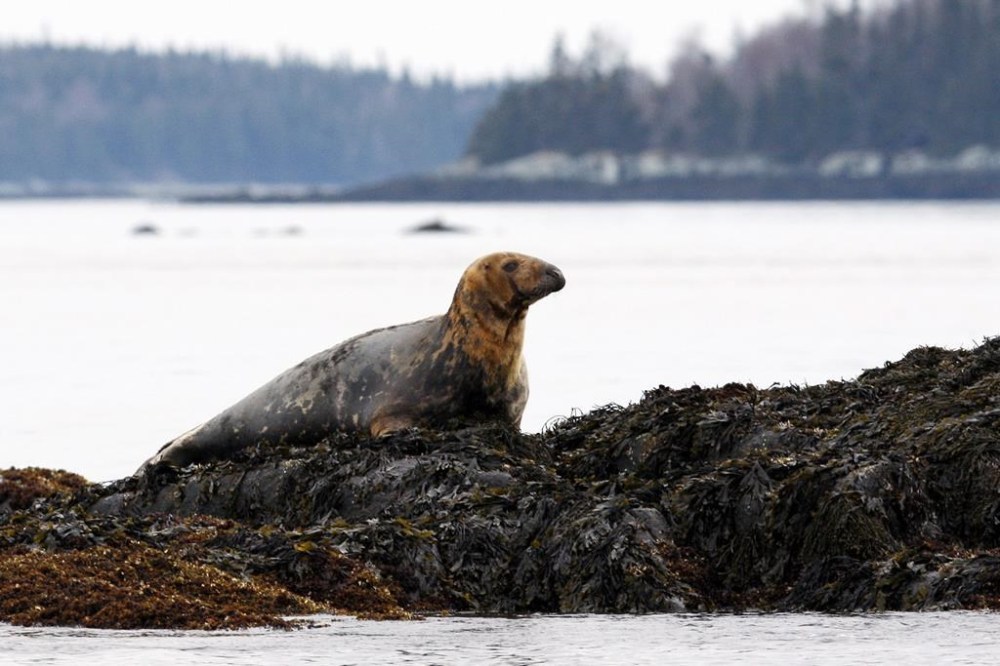
Seals and sea lions, in places as far apart as Maine and Chile, appear to be especially vulnerable to the disease, scientists said. The virus has been detected in seals on the east and west coasts of the U.S., leading to deaths of more than 300 seals in New England and a handful more in Puget Sound in Washington. The situation is even more dire in South America, where more than 20,000 sea lions have died in Chile and Peru and thousands of elephant seals have died in Argentina.
The virus can be controlled in domesticated animals, but it can spread unchecked in wildlife and marine mammals such as South America’s seals that lacked prior exposure to it have suffered devastating consequences, said Marcela Uhart, director of the Latin America program at the Karen C. Drayer Wildlife Health Center at the University of California, Davis.
“Once the virus is in wildlife, it spreads like wildfire, as long as there are susceptible animals and species,” Uhart said. “Movement of animals spreads the virus to new areas.”
Scientists are still researching how the seals have contracted bird flu, but it is most likely from contact with infected seabirds, Uhart said. High mortality has affected South American marine mammals consistently since the virus arrived late in 2022, and birds in Peru and Chile have died by the hundreds of thousands from the virus since then, she noted.
The virus is still spreading and was detected in mainland Antarctica for the first time in February.
The deaths of seals and sea lions disrupts ecosystems where the marine mammals serve as key predators near the top of the food chain. Seals help keep the ocean in balance by preventing overpopulation of the fish species they feed on.
Many species affected, such as South American sea lions and Southern elephant seals, have relatively stable populations, but scientists worry about the possibility of the virus jumping to more jeopardized animals. Scientists have said bird flu might have played a role in the deaths of hundreds of endangered Caspian seals in Russia last year.
“The loss of wildlife at the current scale presents an unprecedented risk of wildlife population collapse, creating an ecological crisis,” the World Organisation for Animal Health, an intergovernmental organization, said in a statement.
In New England, scientists with the Cummings School of Veterinary Medicine at Tufts University found an outbreak of bird flu that killed more than 330 harbor and gray seals along the North Atlantic coast in 2022 turned out to be worse than initially thought. It’s possible the seals contracted the virus from gulls by coming into contact with sick gulls’ excrement or by preying on an infected bird, the scientists reported.
The U.S. government determined the seal die-off was an “unusual mortality event” attributable to bird flu. The National Oceanic and Atmospheric Administration has declared the event is over, but concerns remain about a possible repeat.
“Marine mammals are still pretty unique in the scale of the outbreaks that are occurring,” said Wendy Puryear, an author of the Tufts study. “One of the connections is there is a lot of virus that circulates in coastal birds. A lot of opportunities for those wild birds to host the virus and pass it on to marine mammals.”
Some scientists and environmental advocates say there could be a link between the outbreaks and climate change and warming oceans. Warmer sea temperatures off northern Chile decrease the population of forage fish, and that makes sea lions weaker and more susceptible to disease, said Liesbeth van der Meer, director of the environmental group Oceana in Chile.
Scientists and environmentalists are hopeful vaccinating poultry will help lessen the spread of the disease, van der Meer said, adding that it’s also important for people to avoid potentially infected animals in the wild.
“Authorities have carried out campaigns about the disease, strongly recommending to stay away from seabirds or marine mammals with symptoms or found dead in the coastal areas,” van der Meer said.
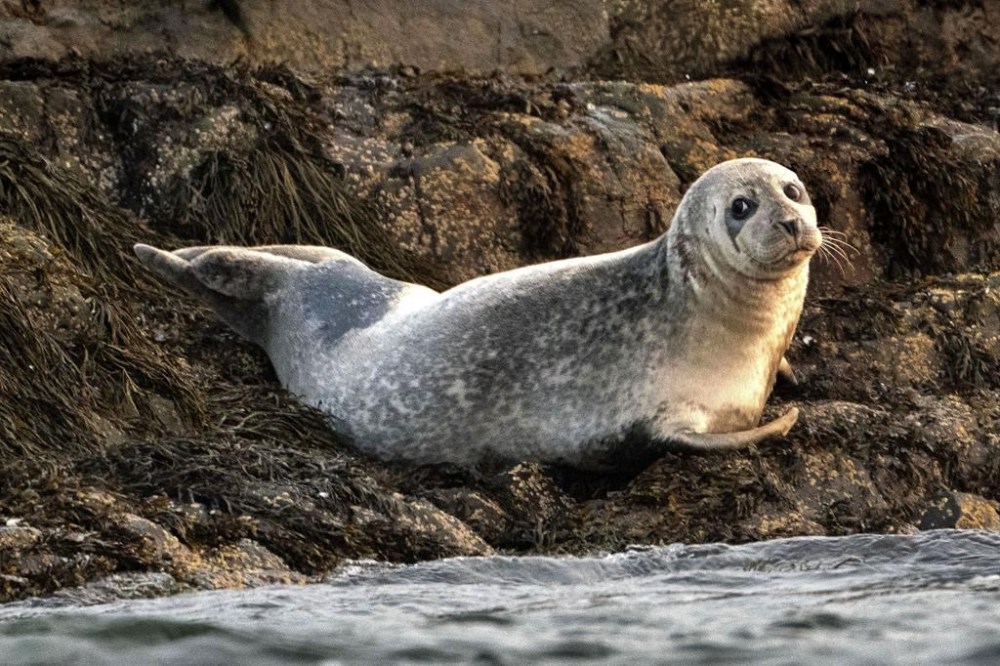
Even seals in aquariums are not considered completely safe from bird flu. The New England Aquarium, where outdoor harbor seal exhibits delight thousands of visitors every year, has taken strict sanitation precautions to prevent transmission of the virus to its animals, said Melissa Joblon, the Boston aquarium’s director of animal health.
Staff aren’t allowed to bring backyard poultry products to the aquarium, and an awning protects the seal exhibit from birds that could carry the virus, she said.
“We do know that it’s a risk for the animals that reside here,” said Joblon, adding that none of the aquarium’s seals have been infected.
The deaths of marine mammals are even more concerning because of mutations of the avian virus, according to a paper in the journal Nature Communications last fall. The mutations “warrant further examination and highlight an urgent need for active local surveillance to manage outbreaks and limit spillover into other species, including humans,” the study stated.
Another study, published in the journal Emerging Infectious Diseases in February, found the bird flu virus has adapted to spread between birds and mammals. Researchers found nearly identical samples of the virus in dead sea lions, a dead seal and a dead seabird. They said the finding is significant because it confirms a multispecies outbreak that can affect marine mammals and birds.
More seal deaths could disrupt critical ecosystems around the world, said Lynda Doughty, executive director of Marine Mammals of Maine, a marine mammal rescue organization that responded to seals with bird flu during the New England outbreak.
“You need this happy ecosystem. If we’re taking out some important species, what is the trickle down effect of that? That’s the million dollar question,” Doughty said.
___
Follow Patrick Whittle on X, formerly Twitter: @pxwhittle