April’s keystone snowpack shows record levels in the north, below average for central
Advertisement
Read this article for free:
or
Already have an account? Log in here »
To continue reading, please subscribe:

Digital Subscription
One year of digital access for only $205*
- Enjoy unlimited reading on winnipegfreepress.com
- Read the E-Edition, our digital replica newspaper
- Access News Break, our award-winning app
- Play interactive puzzles
*First annual payment billed as $205.00 + GST for one year. This annual subscription will automatically renew at $233.00 + GST every 52 weeks (10% off the regular annual price of $259.35). Offer available to new and qualified returning subscribers only. Cancel any time.
To continue reading, please subscribe:
Add Free Press access to your Brandon Sun subscription for only an additional
$1 for the first 4 weeks*
- Enjoy unlimited reading on winnipegfreepress.com
- Read the E-Edition, our digital replica newspaper
- Access News Break, our award-winning app
- Play interactive puzzles
*Your next Brandon Sun subscription payment will increase by $1.00 and you will be charged $17.95 plus GST for four weeks. After four weeks, your payment will increase to $24.95 plus GST every four weeks.
Read unlimited articles for free today:
or
Already have an account? Log in here »
Hey there, time traveller!
This article was published 09/04/2024 (904 days ago), so information in it may no longer be current.
WHITEHORSE – Yukon’s snowpack for April ranges from record-setting highs in the north to below average across the central part of the territory.
The Yukon water resources branch released the results Tuesday, saying the April snow survey typically represents peak snowpack and informs plans for the early-season flood forecast.
Snow for the Porcupine River basin is at 166 per cent of the historical median, setting a new record for both that area and in Old Crow.
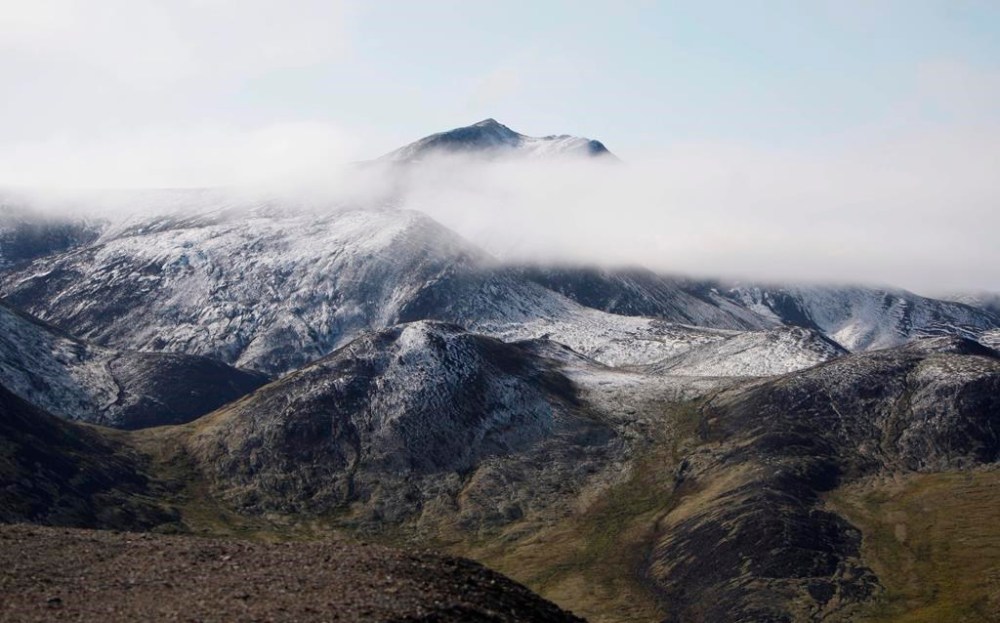
The basins for the Peel River and Lower Yukon are also above average at 140 and 124 per cent, respectively.
The branch says in a statement that most regions in the territory can expect average spring runoff, but above average for communities along the Peel, Klondike and Porcupine rivers.

It says snowpack is one risk factor for high flows and flooding during spring breakup, although timing, progression of snowmelt and rain events are also drivers of flooding, no matter what the snowpack levels look like.
This report by The Canadian Press was first published April 9, 2024.