Developers of stalled Minnesota copper-nickel mine plan studies that may lead to significant changes
Advertisement
Read this article for free:
or
Already have an account? Log in here »
To continue reading, please subscribe:

Digital Subscription
One year of digital access for only $205*
- Enjoy unlimited reading on winnipegfreepress.com
- Read the E-Edition, our digital replica newspaper
- Access News Break, our award-winning app
- Play interactive puzzles
*First annual payment billed as $205.00 + GST for one year. This annual subscription will automatically renew at $233.00 + GST every 52 weeks (10% off the regular annual price of $259.35). Offer available to new and qualified returning subscribers only. Cancel any time.
To continue reading, please subscribe:
Add Free Press access to your Brandon Sun subscription for only an additional
$1 for the first 4 weeks*
- Enjoy unlimited reading on winnipegfreepress.com
- Read the E-Edition, our digital replica newspaper
- Access News Break, our award-winning app
- Play interactive puzzles
*Your next Brandon Sun subscription payment will increase by $1.00 and you will be charged $17.95 plus GST for four weeks. After four weeks, your payment will increase to $24.95 plus GST every four weeks.
Read unlimited articles for free today:
or
Already have an account? Log in here »
Hey there, time traveller!
This article was published 14/08/2024 (739 days ago), so information in it may no longer be current.
MINNEAPOLIS (AP) — The developers of a long-delayed copper-nickel mining project in northeastern Minnesota announced Wednesday that they plan to conduct a series of studies over the next year on potential ways to improve environmental safeguards and make the mine more cost- and energy-efficient, which could lead to significant changes to the design.
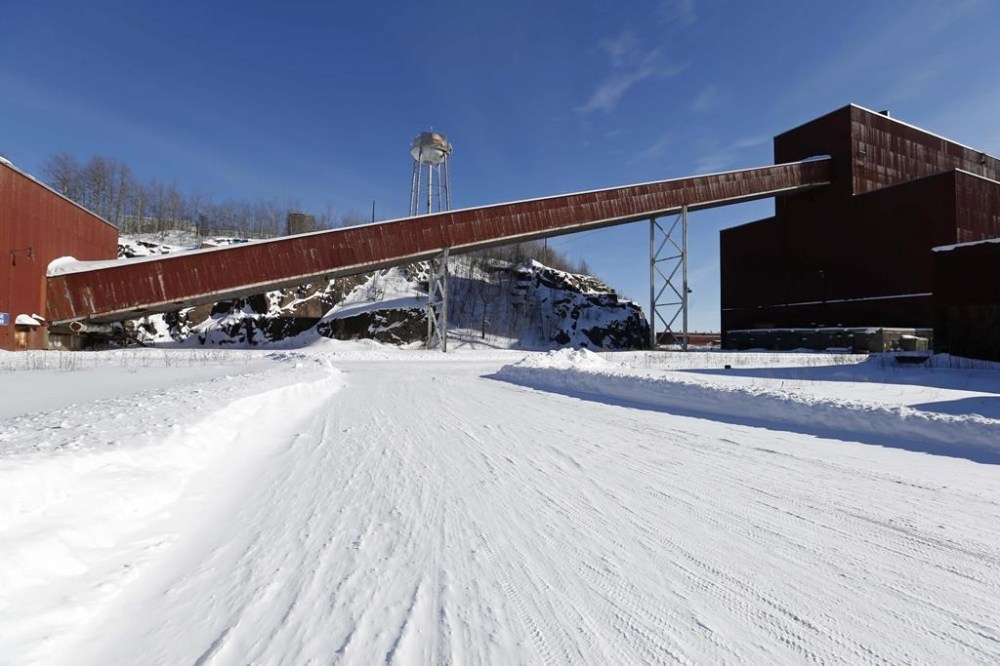
The plan is for a $1 billion open-pit mine near Babbitt and a processing plant near Hoyt Lakes that would be Minnesota’s first copper-nickel mine and produce minerals necessary for the clean energy economy. It is a 50-50 joint venture between Swiss commodities giant Glencore and Canada-based Teck Resources. The project was renamed NewRange Copper Nickel last year, but it is still widely known by its old name, PolyMet. The project has been stalled for several years by court and regulatory setbacks, but company officials say they are still moving ahead with preparations at the site.
“The bottom line is this is all about improving efficiency, looking for ways to improve our carbon footprint, reduce greenhouse gases,” NewRange spokesman Bruce Richardson said in an interview. “If there’s a net environmental benefit, which is one of the end goals here, then it’s pretty hard to criticize.”
But environmental groups that have been fighting the project said the announcement is tantamount to an admission that the current mine plan is fundamentally flawed. They say mining the large untapped reserves of copper, nickel and platinum-group metals under northeastern Minnesota would pose unacceptable environmental risks because of the potential for acid mine drainage from the sulfide-bearing ore.
“PolyMet is rethinking every aspect of their mine plan after the courts have told them they have to do it,” Kathryn Hoffman, CEO of the Minnesota Center for Environmental Advocacy, said in an interview.
The studies in four key areas will look at alternative options for storing mine waste, for water treatment, for speeding up production and for reducing carbon emissions. Any major changes likely would be subject to additional environmental reviews and new permitting processes, which NewRange officials said would include opportunities for public comment and feedback. They stressed that nothing has been decided, and they said that they were announcing the studies in the interests of transparency for stakeholders, communities and tribes.
The current plan is to store the mine waste in the former LTV Steel iron mine tailings basin at the processing plant. Colin Marsh, NewRange’s government and external affairs director, said in an interview that they will study whether a different design for the dam at the upgraded basin, or storing waste in old iron mine pits in the area, might have advantages.
They will also look at whether a conveyor system for transporting ore from the mine pit to the plant might make more environmental sense than the current plan for using diesel-powered trains, Marsh said.
While the company contends the current plan for treating wastewater would meet the state’s stringent standards for protecting wild rice beds downstream, he said they will also study whether it is feasible to improve treatment even further.
And they are going to look at whether it would be advantageous to increase daily production from the currently planned 32,000 tons per day to 40,000 tons and run the mine for around 15 years instead of 20, without raising the total amount mined over its lifetime, Marsh said. The idea would be a more efficient mine, not a bigger mine, he said.
The developers thought they had all the necessary state and federal permits in hand in 2018, but the project remains stalled by a series of court rulings. Its water discharge permit was sent back to the Minnesota Pollution Control Agency for more review. The overall permit to mine got sent back to the state Department of Natural Resources because of concerns about the waste-basin design. And the Army Corps of Engineers revoked a wetlands permit, saying it did not comply with the water quality standards set by a downstream tribe, so NewRange will have to apply for a new one to proceed.
“The fact that Minnesota regulators permitted this flawed project and have spent millions of needless dollars defending its misguided decision shows that our regulators have failed the citizens they are charged to protect,” Chris Knopf, executive director of Friends of the Boundary Waters Wilderness. said in a statement.
___
This story has been corrected to fix the spelling of NewRange official Colin Marsh.