Strongest typhoon since 1949 hits Shanghai and knocks out power to some homes
Advertisement
Read this article for free:
or
Already have an account? Log in here »
To continue reading, please subscribe:

Digital Subscription
One year of digital access for only $205*
- Enjoy unlimited reading on winnipegfreepress.com
- Read the E-Edition, our digital replica newspaper
- Access News Break, our award-winning app
- Play interactive puzzles
*First annual payment billed as $205.00 + GST for one year. This annual subscription will automatically renew at $233.00 + GST every 52 weeks (10% off the regular annual price of $259.35). Offer available to new and qualified returning subscribers only. Cancel any time.
To continue reading, please subscribe:
Add Free Press access to your Brandon Sun subscription for only an additional
$1 for the first 4 weeks*
- Enjoy unlimited reading on winnipegfreepress.com
- Read the E-Edition, our digital replica newspaper
- Access News Break, our award-winning app
- Play interactive puzzles
*Your next Brandon Sun subscription payment will increase by $1.00 and you will be charged $17.95 plus GST for four weeks. After four weeks, your payment will increase to $24.95 plus GST every four weeks.
Read unlimited articles for free today:
or
Already have an account? Log in here »
Hey there, time traveller!
This article was published 15/09/2024 (751 days ago), so information in it may no longer be current.
TAIPEI, Taiwan (AP) — The strongest typhoon to hit Shanghai since at least 1949 flooded roads with water and broken tree branches, knocked out power to some homes and injured at least one person as it swept over the financial hub Monday.
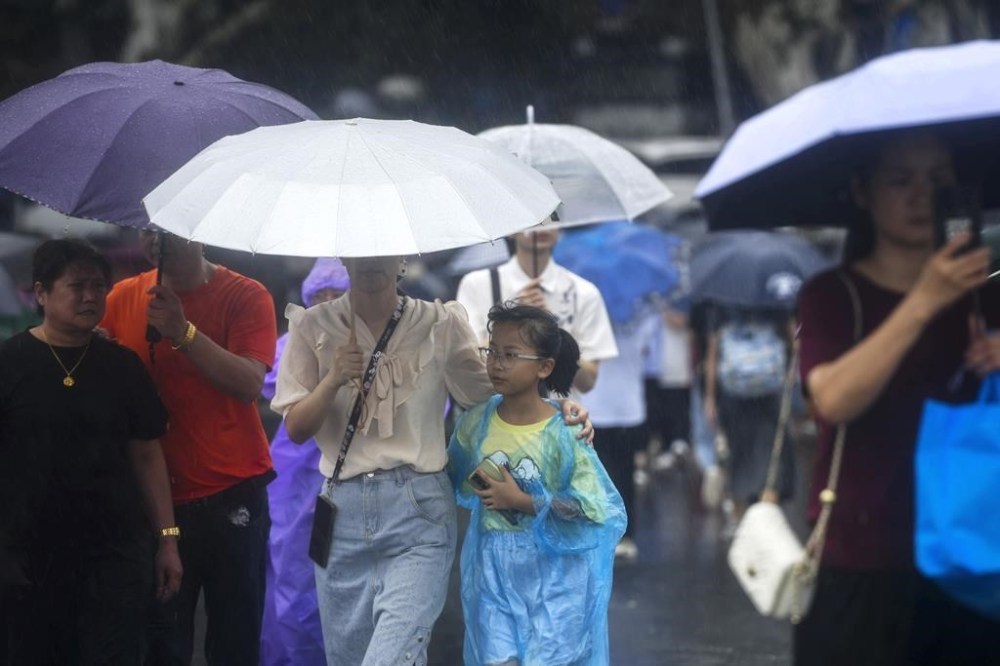
More than 414,000 people had been evacuated ahead of the powerful winds and torrential rain. Schools were closed and people were advised to stay indoors.
One elderly man was injured by a falling tree on Shanghai’s Chongming Island, according to state media. He was taken to a hospital for treatment.

Typhoon Bebinca made landfall around 7:30 a.m. in the sprawling Pudong business district with winds of 151 kph (94 mph) near its center.
Torrential rains flooded roads in the district, according to images broadcast by state media. Elsewhere in Shanghai, uprooted trees and fallen branches blanketed some roads and sidewalks. As the typhoon eased, responders cleared branches and other objects blown around by the storm.
More than 60,000 emergency responders and firefighters were at hand to lend aid in Shanghai.
Authorities said winds uprooted or damaged more than 10,000 trees and knocked out power for at least 380 households, damaging four houses.
At least 53 hectares (132 acres) of farmland were flooded.
The typhoon weakened as it moved inland, dousing parts of Jiangsu, Anhui and Zhejiang provinces.
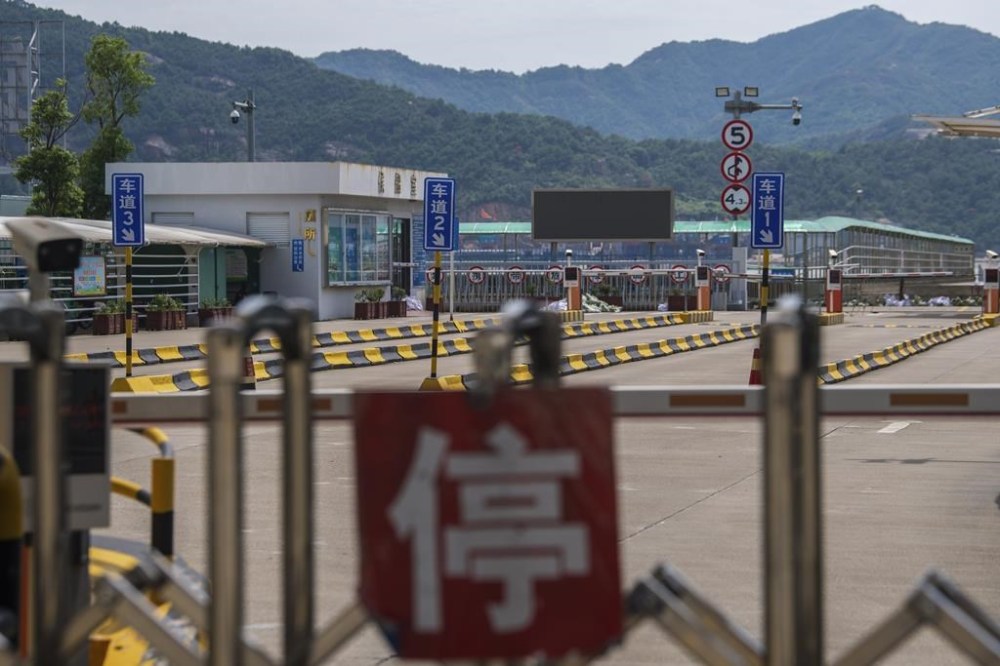
Flights, ferries and train services have been suspended in the megacity and in neighboring provinces, disrupting travel during China’s three-day Mid-Autumn Festival. Shanghai’s airports canceled more than 1,400 flights, while in Hangzhou, about 170 kilometers (106 miles) southwest of Shanghai, authorities also canceled more than 180 flights.
Weather authorities expected Shanghai and parts of neighboring provinces to receive up to 30 centimeters (12 inches) of rainfall between Monday and Wednesday.
Shanghai, which has 25 million people, is rarely hit by strong typhoons, which usually make landfall further south in China.
Typhoon Yagi hit China’s southern Hainan island earlier this month and has caused devastation in Southeast Asia. In Myanmar, Yagi caused at least 74 deaths with dozens missing. Four deaths were reported in Hainan, at least 10 have died in Thailand and 20 in the Philippines.
Vietnam has reported more than 230 people killed in the typhoon and subsequent flooding and landslides, with dozens more still missing.
___
Associated Press researcher Henry Hou in Beijing contributed to this report.