The UAE opens its annual oil-and-gas summit as industry weathers Mideast wars and awaits US election
Advertisement
Read this article for free:
or
Already have an account? Log in here »
To continue reading, please subscribe:

Digital Subscription
One year of digital access for only $205*
- Enjoy unlimited reading on winnipegfreepress.com
- Read the E-Edition, our digital replica newspaper
- Access News Break, our award-winning app
- Play interactive puzzles
*First annual payment billed as $205.00 + GST for one year. This annual subscription will automatically renew at $233.00 + GST every 52 weeks (10% off the regular annual price of $259.35). Offer available to new and qualified returning subscribers only. Cancel any time.
To continue reading, please subscribe:
Add Free Press access to your Brandon Sun subscription for only an additional
$1 for the first 4 weeks*
- Enjoy unlimited reading on winnipegfreepress.com
- Read the E-Edition, our digital replica newspaper
- Access News Break, our award-winning app
- Play interactive puzzles
*Your next Brandon Sun subscription payment will increase by $1.00 and you will be charged $17.95 plus GST for four weeks. After four weeks, your payment will increase to $24.95 plus GST every four weeks.
Read unlimited articles for free today:
or
Already have an account? Log in here »
Hey there, time traveller!
This article was published 04/11/2024 (709 days ago), so information in it may no longer be current.
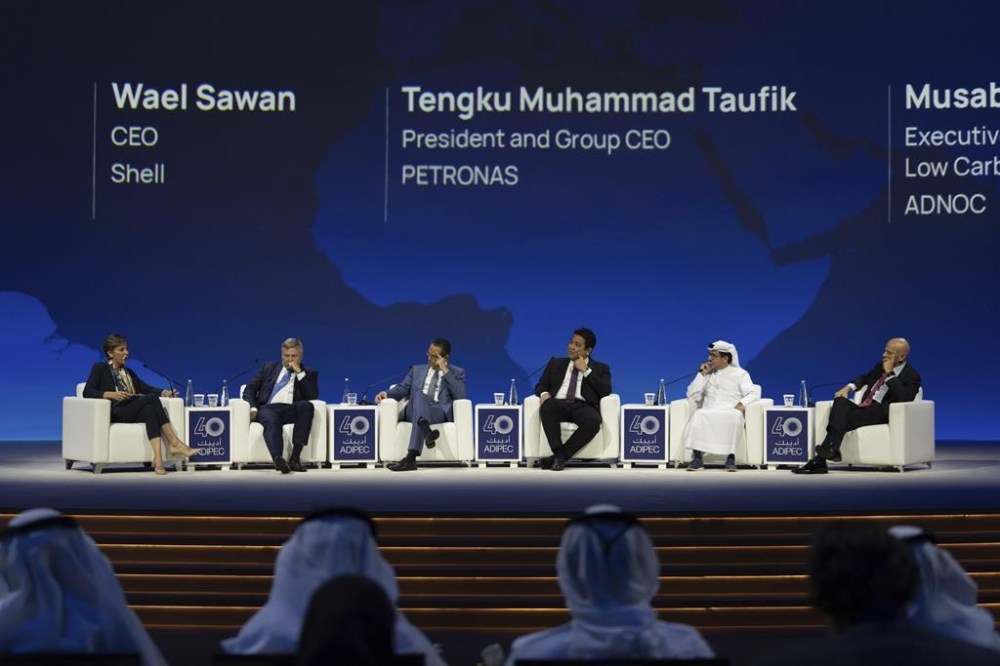
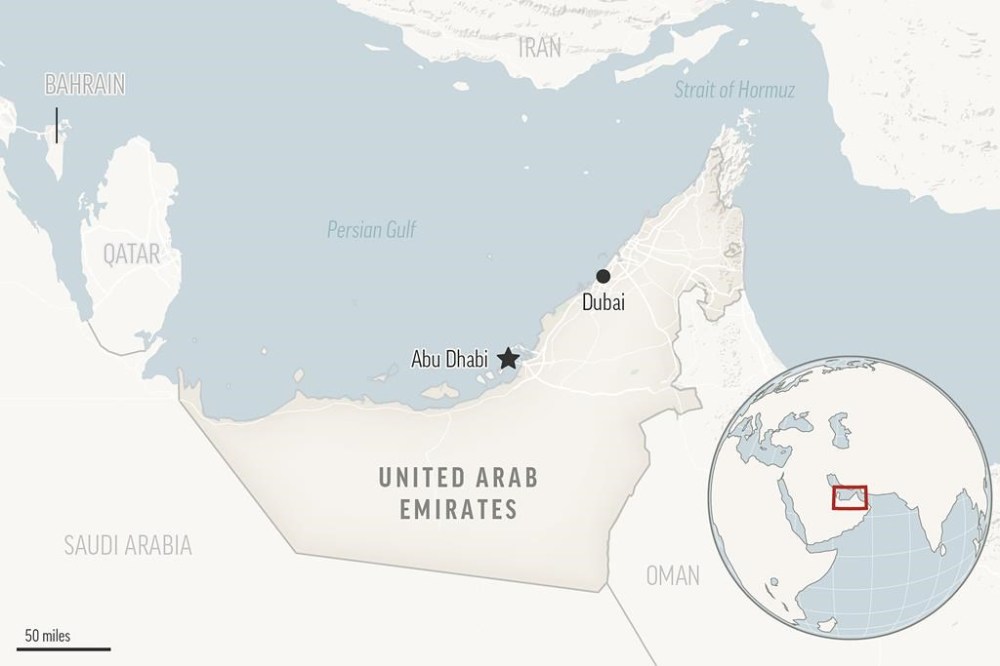
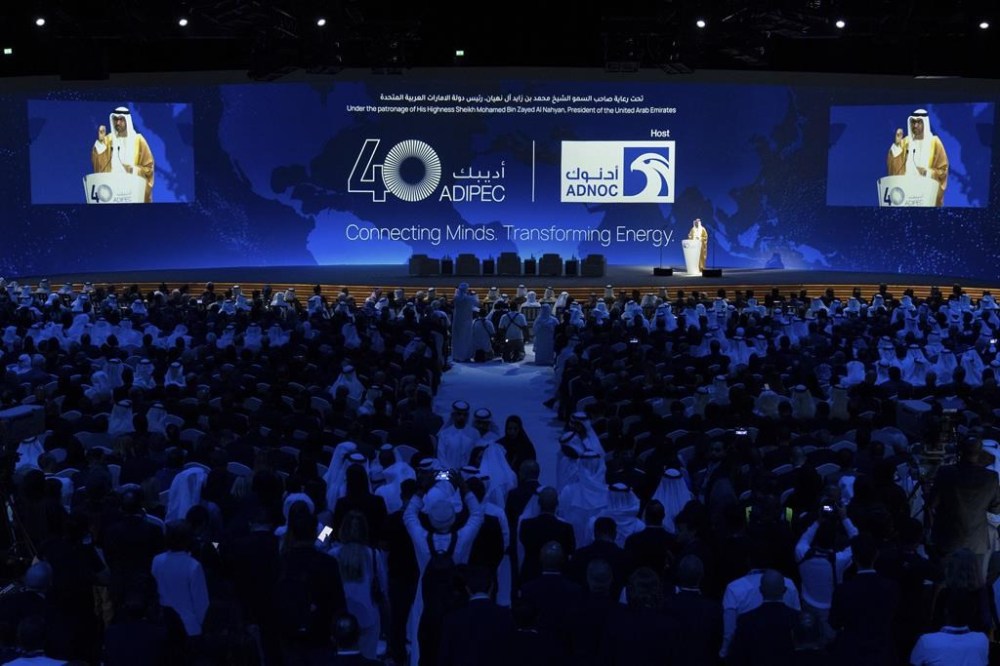
ABU DHABI, United Arab Emirates (AP) — The United Arab Emirates opened its annual oil-and-gas summit on Monday as it plans to increase the country’s energy output as global prices stay volatile and world politics remain uncertain ahead of the U.S. presidential election.
The massive Abu Dhabi International Petroleum Exhibition and Conference comes after the UAE just last year hosted the United Nations COP28 climate talks. Those talks ended with a call by nearly 200 countries to move away from planet-warming fossil fuels — the first time the conference made that crucial pledge.
But the UAE as a whole still plans to increase its production capacity of oil to 5 million barrels a day in the coming years as it pursues more cleaner energies at home. Meanwhile, UAE officials have made a point to dodge any questions about the U.S. election while maintaining their close ties to Russia despite Moscow’s war on Ukraine.
“Allow me to say that we in the United Arab Emirates will always choose partnership over polarization, dialogue over division and peace over provocation,” said Sultan al-Jaber, who heads the state-run Abu Dhabi National Oil Co., or ADNOC, and who also led the COP28 talks in Dubai.
Crude oil prices have been depressed this year. Benchmark Brent crude traded around $74 a barrel on Monday as prices have dropped after concerns over the ongoing Mideast wars growing into a regional conflict faded in recent days.
Slowing economic growth in China and ample supply in the market are additionally dragging down prices.
In his speech opening the summit, al-Jaber pointed to artificial intelligence as a future technology that could be deployed by the energy industry — and one with a voracious appetite for electricity.
“No single source of energy is going to be enough to meet this demand,” he said. He called for a variety of energy sources to meet that challenge, including fossil fuels.
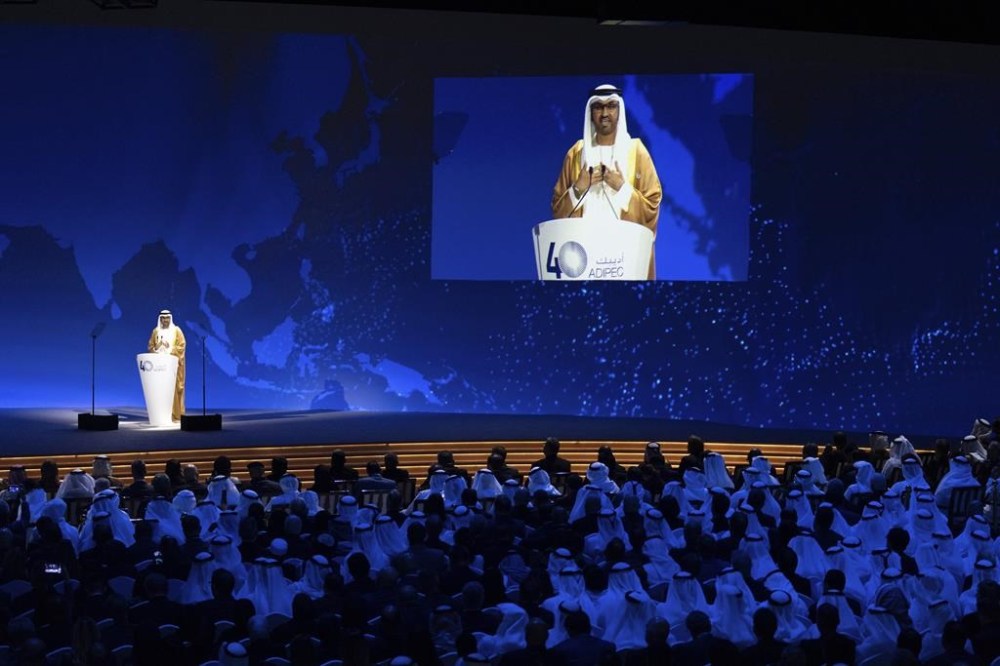
“Oil will continue to be used for fuel and as a building block for many essential products,” al-Jaber added.
Scientists have called for drastically slashing the world’s emissions by nearly half in the coming years to limit global warming to 1.5 degrees Celsius (2.7 degrees Fahrenheit) compared with pre-industrial times.
The 2015 Paris Agreement mentions that limit without specifically calling for a stop on using fossil fuels — something that OPEC Secretary-General Haitham al-Ghais seized on in remarks.
“The Paris Agreement, ladies and gentlemen, is about the reduction of emissions,” he said. “It’s not about phasing out or phasing down or keeping the oil under the ground.”
Suhail al-Mazrouei, the Emirates’ minister of energy and infrastructure, separately stressed that “investments in the oil and gas need to be taken care of” to support demand in the market.
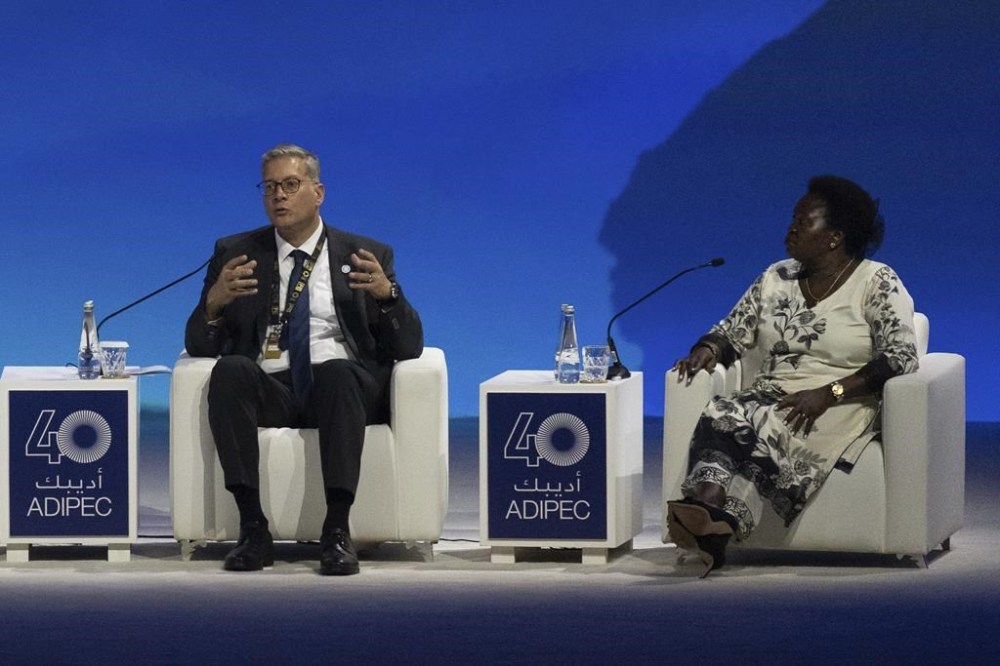
“We are committed to invest in making more resources in the future to ensure the world will have adequate oil and gas resources,” he said.
Hardeep Singh Puri, India’s minister of petroleum and natural gas, separately made a point to criticize what he described as his “ideologically motivated colleagues” who sought an end to fossil fuel production.
“As we accelerate other green energy transition, we will still need affordable traditional energy at least for two decades, if not longer,” he said.
Politics was also close at hand at the summit on Monday. Whispers among the crowd attending the opening pondered who would be better for their businesses, Vice President Kamala Harris or former President Donald Trump.
Al-Mazrouei dodged the first question by a presenter over whether his country preferred Trump or Harris.

“Of course, we will be discussing energy politics here and I (would) rather not … talk about the election in the United States,” al-Mazrouei said. “As a political contest, we wish both candidates the best.”
Later, ADNOC executive Musabbeh al-Kaabi said he worried that “escalating tensions and trade wars may have an impact on the energy transition going forward.” However, he declined to comment directly on the election.
The UAE maintains close ties to Russia despite Western sanctions over Moscow’s war. An announcer told the crowd where to find Russian translation for the event, while one of the main partners of the summit was Lukoil, Russia’s largest non-state oil firm.
Meanwhile, the Mideast wars remain a top concern.
“I think the conflict in the Middle East is probably the top risk,” U.K.-based BP CEO Murray Auchincloss said. “We’re worried about the safety and security of our people and the security of energy flows.”