Tenant group pushes for climate protections in report highlighting extreme heat risks
Advertisement
Read this article for free:
or
Already have an account? Log in here »
To continue reading, please subscribe:

Digital Subscription
One year of digital access for only $205*
- Enjoy unlimited reading on winnipegfreepress.com
- Read the E-Edition, our digital replica newspaper
- Access News Break, our award-winning app
- Play interactive puzzles
*First annual payment billed as $205.00 + GST for one year. This annual subscription will automatically renew at $233.00 + GST every 52 weeks (10% off the regular annual price of $259.35). Offer available to new and qualified returning subscribers only. Cancel any time.
To continue reading, please subscribe:
Add Free Press access to your Brandon Sun subscription for only an additional
$1 for the first 4 weeks*
- Enjoy unlimited reading on winnipegfreepress.com
- Read the E-Edition, our digital replica newspaper
- Access News Break, our award-winning app
- Play interactive puzzles
*Your next Brandon Sun subscription payment will increase by $1.00 and you will be charged $17.95 plus GST for four weeks. After four weeks, your payment will increase to $24.95 plus GST every four weeks.
Read unlimited articles for free today:
or
Already have an account? Log in here »
Hey there, time traveller!
This article was published 28/05/2025 (500 days ago), so information in it may no longer be current.
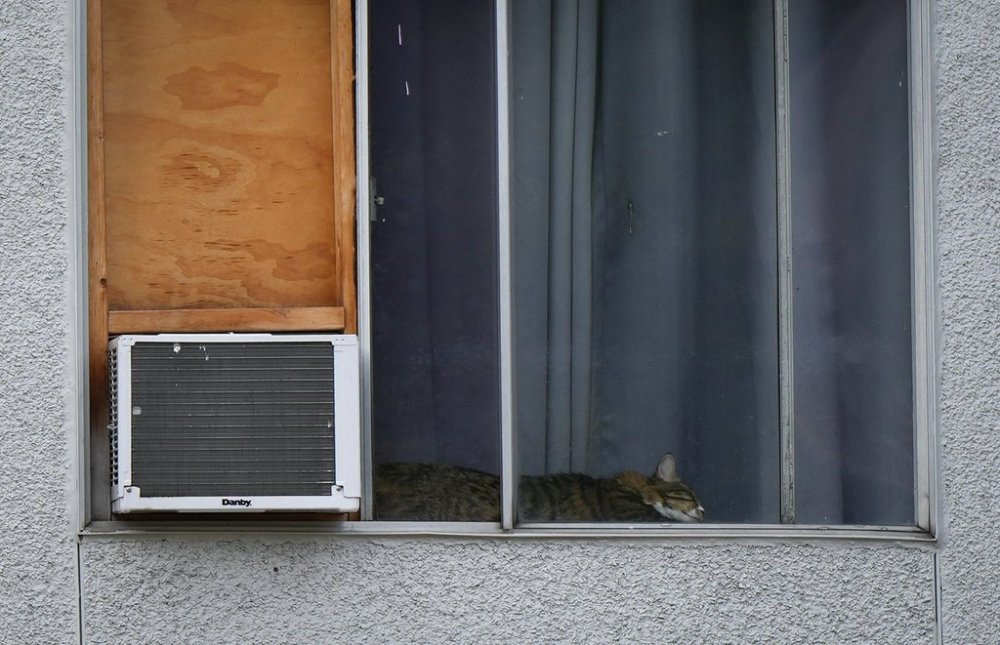
A Canadian tenant advocacy group says nearly half the renters they surveyed don’t have air conditioning, as they press for protections from climate-fuelled extreme heat.
A report released by ACORN Canada says affordability was cited as the main barrier to access among the 44 per cent of surveyed tenants who don’t have air conditioning.
The group says it collected more than 700 responses to the online survey, which was sent to its database of members and tenant contacts.
“As governments and other actors intensify their efforts to combat climate change, it is critical that tenants have a seat at the table so that tenants’ needs and concerns are accounted for and housing strategies include tenant protections so as to not further worsen the housing situation,” said the report, released Wednesday.
Climate change, driven by the burning of fossil fuels, has cranked up temperatures across Canada and increased the likelihood of dangerous heat waves.
The report says just over half of respondents, mostly low- and middle-income renters, identified excessive summer heat as a top maintenance issue for their unit.
ACORN Canada has been pushing cities to bring in bylaws that would require landlords to keep their units below a maximum temperature threshold, similar to how they have to keep it heated when it’s cold.
“The weather and climate is changing and so we need to be prepared. We need to have an apartment that is healthy,” said Alejandra Ruiz Vargas, the group’s national president.
Toronto is among the cities exploring a maximum temperature bylaw. Council directed staff to report back with possible next steps later this year.
The number of days exceeding 30 degrees in Toronto could more than triple by mid-century, from about 20 days to 66 days, according to a staff report prepared for council.
Landlord groups have argued a maximum temperature bylaw would prompt building owners to pass on air conditioning costs to tenants through rent increases, which would create additional backlogs at provincial tribunals.
Tenant groups argue any maximum temperature bylaws should also be paired with government supports to ensure tenants are not saddled with additional costs.
Wednesday’s report calls on the federal government to implement a national energy poverty program, modelled after the Ontario Energy Support Program. The monthly benefit program is intended to help low-income tenants cover utility costs and some advocates have suggested it could be topped up in the summer to help cover the costs of running an air conditioner.
The ACORN report says federal efforts to decarbonize Canada’s homes and buildings have often overlooked tenants who tend to live in older and energy inefficient buildings.
About a third of surveyed tenants said they received a rent increase notice when their landlord carried out energy efficiency upgrades, the report said.
The report said retrofit incentives backed by the federal government should only be provided if landlords sign anti-eviction agreements and demonstrate how they would benefit the tenant.
In a statement Wednesday, the office of Housing Minister Gregor Robertson said rent was too expensive across Canada and the government was “committed to making life more affordable or Canadians.”
The government has faced questions about whether public financing has been used by corporate landlords to justify rent hikes and extra utility costs.
In response, the previous federal government said any building upgrades financed by the Canadian Infrastructure Bank would, going forward, not be used as a rationale to increase rent. It also said the bank’s future loan agreements for multi-unit residential building retrofits would include provisions that limit a borrower’s ability to hike rents or impose additional utility costs on existing tenants.
This report by The Canadian Press was first published May 28, 2025.
Related Articles
Warm summer in the forecast as droughts and wildfire risks loom: Weather Network
Advertisement Advertise With Us
Advertisement Advertise With Us