University study finds few improvements to at-risk species in B.C.
Advertisement
Read this article for free:
or
Already have an account? Log in here »
To continue reading, please subscribe:

Digital Subscription
One year of digital access for only $205*
- Enjoy unlimited reading on winnipegfreepress.com
- Read the E-Edition, our digital replica newspaper
- Access News Break, our award-winning app
- Play interactive puzzles
*First annual payment billed as $205.00 + GST for one year. This annual subscription will automatically renew at $233.00 + GST every 52 weeks (10% off the regular annual price of $259.35). Offer available to new and qualified returning subscribers only. Cancel any time.
To continue reading, please subscribe:
Add Free Press access to your Brandon Sun subscription for only an additional
$1 for the first 4 weeks*
- Enjoy unlimited reading on winnipegfreepress.com
- Read the E-Edition, our digital replica newspaper
- Access News Break, our award-winning app
- Play interactive puzzles
*Your next Brandon Sun subscription payment will increase by $1.00 and you will be charged $17.95 plus GST for four weeks. After four weeks, your payment will increase to $24.95 plus GST every four weeks.
Read unlimited articles for free today:
or
Already have an account? Log in here »
VANCOUVER – As spring blooms in British Columbia, the brilliant orange-and black pattern of a monarch butterfly’s wing and the distinctive cream cap on a black male bobolink songbird are a rare sight.
Both remain on B.C.’s endangered species list, a status that hasn’t changed for many at-risk species in the province in more than two decades, says a new study from Simon Fraser University.
The study, published March 23 in the journal “Facets,” looked at the B.C. government’s list of threatened, special-concern and secure species and found only 14 species saw genuine improvement in their status between 2008 and 2025.
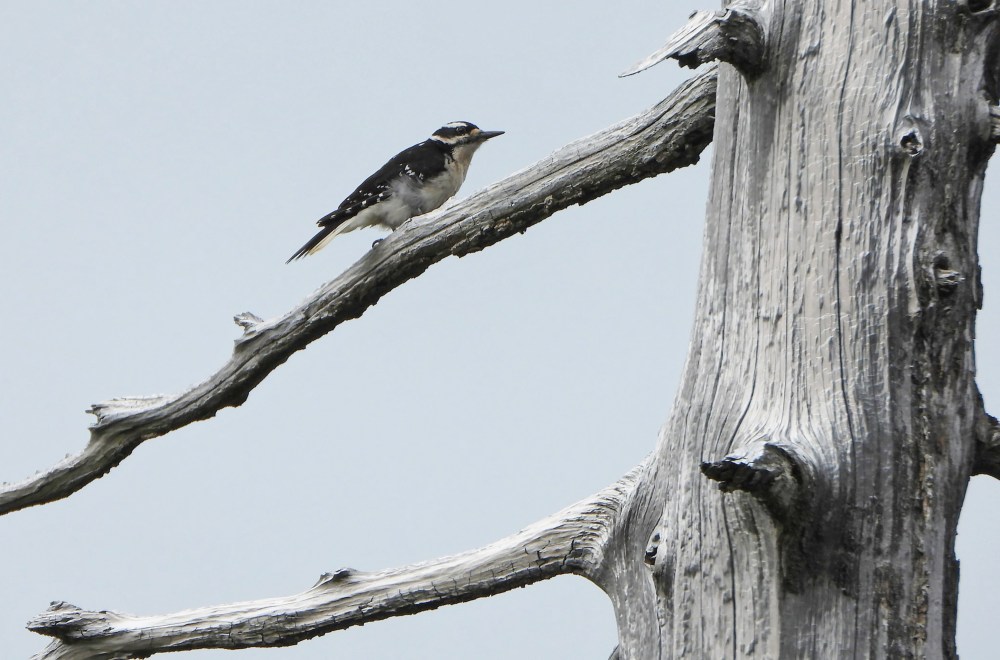
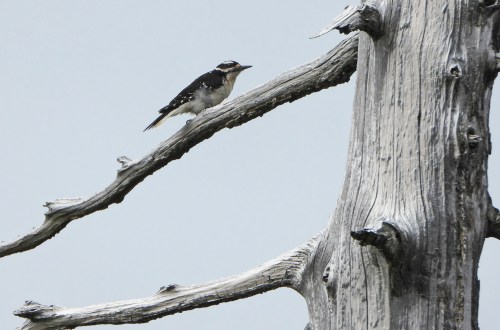
There were population increases for the hairy woodpecker, humpback whale, the broad-winged hawk and long-billed curlew, the study says.
The researchers defined changes in species’ risk status as “genuine” when they reflected trends in population or size.
For example, dragonfly populations of blue dashers, western pondhawk and black saddlebag improved as warming temperatures increased their range.
An additional 14 species changed for the worse, like the monarch butterfly and the bobolink, whose status reflected population declines and increasing threats.
B.C. lists 493 species in the endangered “red” category, and 1,233 in the vulnerable “blue” category, representing a 25 per cent increase from 2008 that is mostly due to the addition of species on the list.
Peter Thompson, the study’s co-author and a post-doctoral researcher at Simon Fraser University, said the most common pattern was for nothing to change at all.
“So, if a species was put on the red list in 2008, which is the highest category of endangerment, the most likely thing is it’s still on the red list as we speak today,” he said.
Thompson said the B.C. government’s database has collected an “impressive” number of new species over the past 20 years, but not enough is being done to help those that are threatened or endangered.
B.C. is the most biologically diverse province in Canada, meaning it has the largest variety of species and ecosystems.
Only about one per cent of the province is covered by Canada’s Species at Risk Act, which is meant to protect species on federal land.
The rest receive some protection from the provincial Wildlife Act, but only four species have been listed since its inception in 1996: the sea otter, burrowing owl, American white pelican and Vancouver Island marmot.
“It’s not necessarily what protections are offered that’s the problem, it’s the spread of species,” Thompson said. “A lot of the creepy-crawlies, the insects, the little guys, the invertebrates that we don’t know very much about are being left behind.”
He said researchers documented more than 900 “ghost species,” that are known to be at risk but haven’t been placed on the list, and many of them are arthropods such as spiders.
Dedicated legislation could help fill in the gaps that exist with the Wildlife Act and other B.C. laws that provide some measure of protection for species, Thompson said.
The study noted the Wildlife Act doesn’t set out legal requirements for habitat protection, recovery planning or timelines.
It also suggests there is an overreliance on non-profit land trusts and stewardship efforts, which the authors say results “in uneven and geographically patchy protection.”
Thompson said he’d like to see proactive efforts to improve the status of at-risk species before they’re at the brink of extinction.
“They are still in serious trouble and they still need our help. And that’s not an entirely surprising finding to us, but it’s really important to quantify that, to put it on paper, and to continue raising the alarm that more help is needed for endangered species here in B.C. and across Canada.”
This report by The Canadian Press was first published April 5, 2026.