Inquiry hears avalanche danger moderate on day of fatal Alberta snow slide
Advertisement
Read this article for free:
or
Already have an account? Log in here »
To continue reading, please subscribe:

Digital Subscription
One year of digital access for only $205*
- Enjoy unlimited reading on winnipegfreepress.com
- Read the E-Edition, our digital replica newspaper
- Access News Break, our award-winning app
- Play interactive puzzles
*First annual payment billed as $205.00 + GST for one year. This annual subscription will automatically renew at $233.00 + GST every 52 weeks (10% off the regular annual price of $259.35). Offer available to new and qualified returning subscribers only. Cancel any time.
To continue reading, please subscribe:
Add Free Press access to your Brandon Sun subscription for only an additional
$1 for the first 4 weeks*
- Enjoy unlimited reading on winnipegfreepress.com
- Read the E-Edition, our digital replica newspaper
- Access News Break, our award-winning app
- Play interactive puzzles
*Your next Brandon Sun subscription payment will increase by $1.00 and you will be charged $17.95 plus GST for four weeks. After four weeks, your payment will increase to $24.95 plus GST every four weeks.
Read unlimited articles for free today:
or
Already have an account? Log in here »
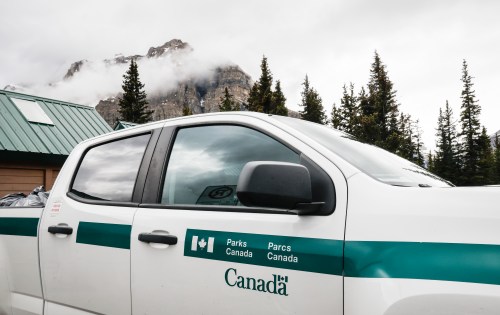
CANMORE – A Parks Canada official in charge of visitor safety said the avalanche danger was rated moderate and didn’t need updating on the day of a fatal snow slide.
“I reviewed the reports from the previous days. I reviewed partner bulletins from adjacent jurisdictions,” Brian Webster testified Monday at an inquiry into the avalanche death of Spencer Postman.
“Everything I reviewed convinced me this was an accurate representation of conditions.”
Postman, 26, of Canmore died in a skier-triggered slab avalanche on Haddo Peak in Banff National Park on April 5, 2021.
He and a friend were travelling the extreme terrain when the slope slid, carrying Postman over a cliff.
Webster, the manager of visitor safety for Parks Canada in Banff, Yoho and Kootenay national parks, said Postman and his friend should have had the information they needed that day to make an informed decision.
“We forecast all the information we are able to get,” he told an inquiry presided over by Justice Karl Wilberg. “I believe they had access and used that information to make an informed choice.”
Wilberg’s inquiry is tasked not with assigning blame but making recommendations on how to prevent future tragedies, including improvements to warnings and communication.
Webster said his office is responsible for gathering information for daily avalanche reports.
“It’s very much like being a detective,” he testified.
“The forecasters get as much information as possible throughout the day and then synthesize that information into an avalanche bulletin.”
He said he believes the information provided by Parks Canada regarding avalanches is sufficient but said it’s important to find multiple ways to get it out to the general public.
“I always question how effective we are at connecting to (online) user groups,” he added.
“It’s a shared responsibility of Parks Canada and the user.”
A number of members of Postman’s family watched the proceedings online and were allowed to ask questions, including about conditions at the slide site that day.
Webster said just getting to the site was challenging and the detour the two took put them in potentially dangerous territory.
He was asked about closing back country areas if conditions warrant it.
“Parks Canada has the authority to close sections of the park if they deem it necessary for resource management and to uphold public safety, but do not and never have closed sections of the back country based on what the avalanche hazard is,” he said.
The survivor of the avalanche, Kevin Rohn is a guide with the Association of Canadian Mountain Guides and had been friends with Postman for years. The trip that day was a recreational outing.

Mike Adolph, the technical advisor for the mountain guides, said members abide by a strict code of ethics even if they’re not on duty.
“They just embody that in their day-to-day activities,” he said.
Adolph recommended against forcing the code on guides outside of work.
“We could have a complete fallout of our membership,” he said. “A lot of our guides would feel that would be an infringement on their personal freedom and choices.”
This report by The Canadian Press was first published July 20, 2026.