Supreme Court will hear appeal affecting Ottawa’s single-use plastics ban
Advertisement
Read this article for free:
or
Already have an account? Log in here »
To continue reading, please subscribe:
Digital Subscription
One year of digital access for only $1.44 a week*
- Enjoy unlimited reading on winnipegfreepress.com
- Read the E-Edition, our digital replica newspaper
- Access News Break, our award-winning app
- Play interactive puzzles
*Billed as $5.77 plus GST every four weeks. After 52 weeks, price increases to the regular rate of $19.95 plus GST every four weeks. Offer available to new and qualified returning subscribers only. Cancel any time.
To continue reading, please subscribe:
Add Free Press access to your Brandon Sun subscription for only an additional
$1 for the first 4 weeks*
- Enjoy unlimited reading on winnipegfreepress.com
- Read the E-Edition, our digital replica newspaper
- Access News Break, our award-winning app
- Play interactive puzzles
*Your next Brandon Sun subscription payment will increase by $1.00 and you will be charged $17.95 plus GST for four weeks. After four weeks, your payment will increase to $24.95 plus GST every four weeks.
Read unlimited articles for free today:
or
Already have an account? Log in here »
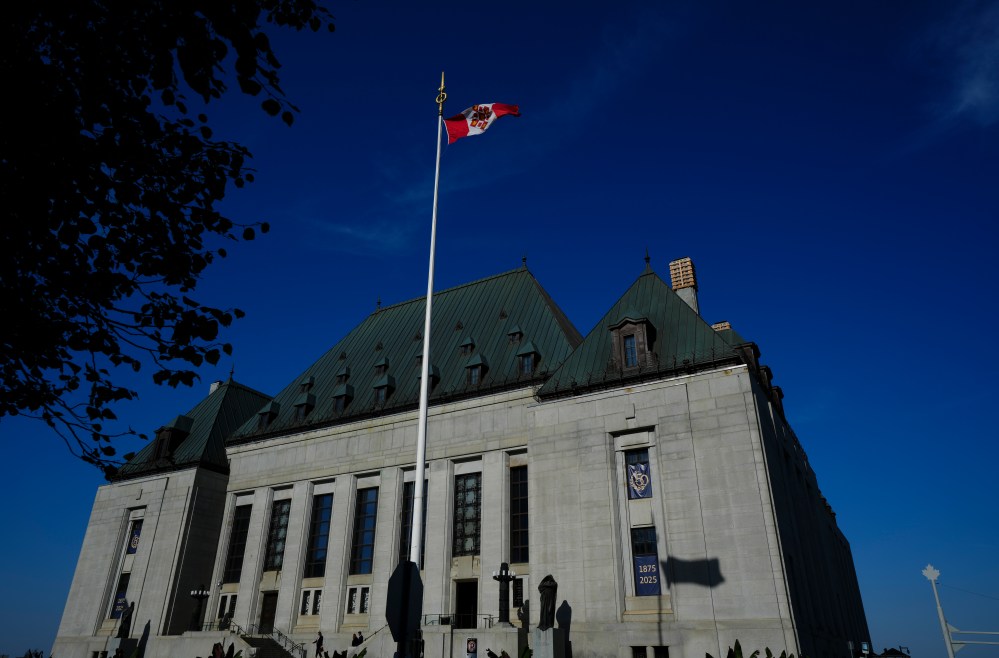
OTTAWA – The Supreme Court of Canada said Thursday it will hear an appeal that will determine if Ottawa’s ban on single-use plastics can stay in place.
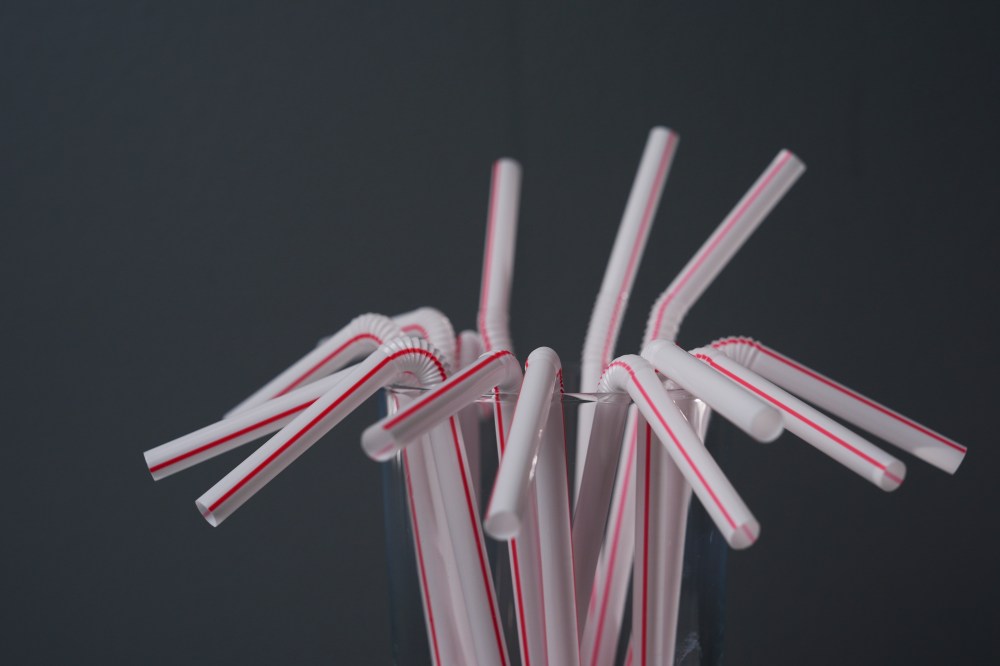
In 2022, Ottawa phased in a ban on the manufacture and sale of six single-use plastic items, including straws, stir sticks, cutlery, takeout containers and the six-pack rings used to hold soda and beer cans.
The government said at the time it chose those items because they were commonly found in litter and had known and accessible alternatives.
In order to introduce the ban, the federal government listed “plastic manufactured items” as toxic under the Canadian Environmental Protection Act, following a scientific assessment.
In 2023, the Federal Court said that listing was too broad, in part because the federal government had failed to demonstrate that all plastic items harm human health or the environment.
The Federal Court of Appeal overturned the lower court’s decision in January, allowing the government to keep the ban in place. The three-judge panel unanimously ruled the decision to list plastic manufactured items as toxic was reasonable.
They argued the lower court had erred by viewing as one step what was actually a two-step process: designating plastics as toxic and regulating individual plastic items.
The initial decision to list all plastics as toxic was challenged by a group representing companies in Canada’s plastics industry, along with three chemical companies which manufacture plastics.
The plastics industry argued, among other things, that a lack of testing to determine which plastics are harmful made Ottawa’s decision unreasonable.
The Court of Appeal dismissed that argument in January.
“To put the matter bluntly … the chemical content of (plastics) is irrelevant to the sea otter choking on a plastic straw. The problem is the plastic item itself, not its chemistry,” the judges wrote.
Karen Wirsig, senior program manager for plastics at Environmental Defence, said Ottawa should maintain the ban pending the Supreme Court decision.
“It is rare for appeals to be granted so we were not particularly expecting it. However, it does open the opportunity for a stronger precedent for the listing from the Supreme Court of Canada,” Wirsig told The Canadian Press.

The office of Environment Minister Julie Dabrusin said the plastics ban will stay in place until the Supreme Court rules on it.
“Canadians understand the importance of reducing pollution and waste,” Dabrusin’s press secretary Amy Falkner said in a statement.
“The government will continue to work with all partners to reduce plastic waste and pollution.”
In a statement posted to their website, the group representing plastics companies said it welcomes the opportunity to bring the case to the Supreme Court.
This report from The Canadian Press was first published Oct. 15, 2026.