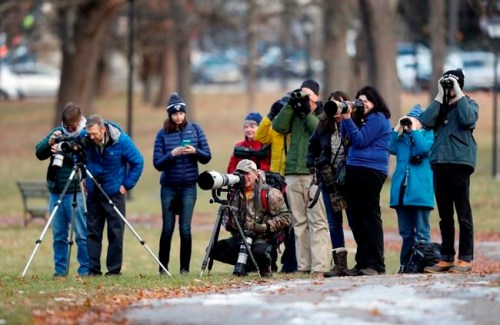
Hawk native to South America wows crowd in Maine park
Advertisement
Read this article for free:
or
Already have an account? Log in here »
To continue reading, please subscribe:

Digital Subscription
One year of digital access for only $205*
- Enjoy unlimited reading on winnipegfreepress.com
- Read the E-Edition, our digital replica newspaper
- Access News Break, our award-winning app
- Play interactive puzzles
*First annual payment billed as $205.00 + GST for one year. This annual subscription will automatically renew at $233.00 + GST every 52 weeks (10% off the regular annual price of $259.35). Offer available to new and qualified returning subscribers only. Cancel any time.
To continue reading, please subscribe:
Add Free Press access to your Brandon Sun subscription for only an additional
$1 for the first 4 weeks*
- Enjoy unlimited reading on winnipegfreepress.com
- Read the E-Edition, our digital replica newspaper
- Access News Break, our award-winning app
- Play interactive puzzles
*Your next Brandon Sun subscription payment will increase by $1.00 and you will be charged $17.95 plus GST for four weeks. After four weeks, your payment will increase to $24.95 plus GST every four weeks.
Read unlimited articles for free today:
or
Already have an account? Log in here »
Hey there, time traveller!
This article was published 30/11/2018 (2816 days ago), so information in it may no longer be current.
PORTLAND, Maine – A hawk that is native to Central and South America drew a lot of attention from Maine’s birding community Friday after appearing in a park, where it brawled with a fellow raptor and dined on a squirrel.
The great black hawk has been a source of fascination in Maine since it was first spotted by Biddeford bird fans in August, and it popped up in Portland’s Deering Oaks Park on Thursday. The bird drew hundreds of birders with binoculars and cameras to the park, the largest public space in the city, on Friday morning.
Audubon naturalist Doug Hitchcox was in the crowd and said the young bird appeared to be in good health and in the process of molting. Maine residents sometimes see rare birds, he said, but “this is one for the record books,” and it made for a moment they wouldn’t forget.
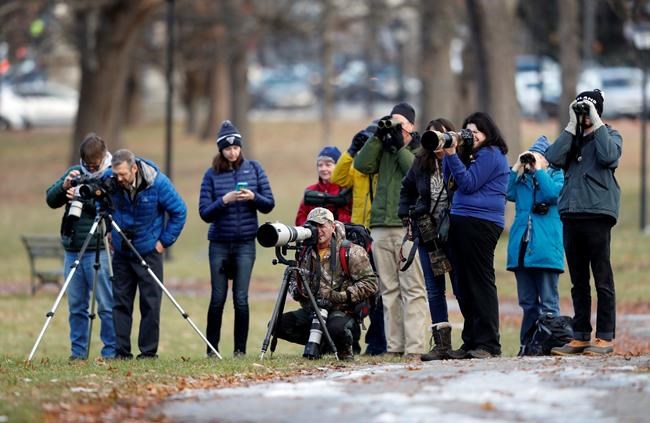
“We’ve been watching it tear apart a squirrel for the last half hour or so,” said Hitchcox in the early afternoon, as he monitored the bird and advised admirers not to get to close to it.
Great black hawks typically live from Mexico to Argentina, and exactly how this individual made it to Maine is a bit of a mystery, Hitchcox said. It hadn’t been seen since Oct. 30, and is believed to be the same bird that was spotted in South Padre Island, Texas, months ago. Audubon has called it potentially the first record of the species in the U.S.
The bird got into a scrap with a red-tailed hawk, a common Maine species, and delighted the crowd by flying overhead near a school.

One member of the assembled birding throng was Derek Lovitch, author of “How to Be a Better Birder” and a Freeport-based birding tour guide. All the interest in the bird, he said, made for a great moment for Maine’s nature lovers.
“Look at all these school groups,” Lovitch said. “Somebody here might have never even thought about a bird before, and now they might be the next great conservationist.”