Flavoured water fans — chew on this
Advertisement
Read this article for free:
or
Already have an account? Log in here »
To continue reading, please subscribe:

Digital Subscription
One year of digital access for only $205*
- Enjoy unlimited reading on winnipegfreepress.com
- Read the E-Edition, our digital replica newspaper
- Access News Break, our award-winning app
- Play interactive puzzles
*First annual payment billed as $205.00 + GST for one year. This annual subscription will automatically renew at $233.00 + GST every 52 weeks (10% off the regular annual price of $259.35). Offer available to new and qualified returning subscribers only. Cancel any time.
To continue reading, please subscribe:
Add Free Press access to your Brandon Sun subscription for only an additional
$1 for the first 4 weeks*
- Enjoy unlimited reading on winnipegfreepress.com
- Read the E-Edition, our digital replica newspaper
- Access News Break, our award-winning app
- Play interactive puzzles
*Your next Brandon Sun subscription payment will increase by $1.00 and you will be charged $17.95 plus GST for four weeks. After four weeks, your payment will increase to $24.95 plus GST every four weeks.
Read unlimited articles for free today:
or
Already have an account? Log in here »
Hey there, time traveller!
This article was published 06/05/2017 (3423 days ago), so information in it may no longer be current.
IF sipping flavoured water keeps you going throughout the day, I am sorry to burst your bubble. I know you are trying to do the right thing, staying hydrated and avoiding sugar and additives from sodas and other soft drinks.
The problem is these drinks’ flavour essences, mostly citric and other fruit acids, cause significant tooth erosion — “the incremental dissolving away of the enamel on the teeth, which, over time, can affect their structural integrity, making them hypersensitive to temperature and potentially more cavity-prone,” says Edmond R. Hewlett, consumer adviser for the American Dental Association and professor at UCLA School of Dentistry.
A beverage’s pH is the main determinant of its potential to erode teeth. Anything with a pH less than four is considered a threat to dental health; the lower the pH, the more acidic a drink is, and the more harmful.
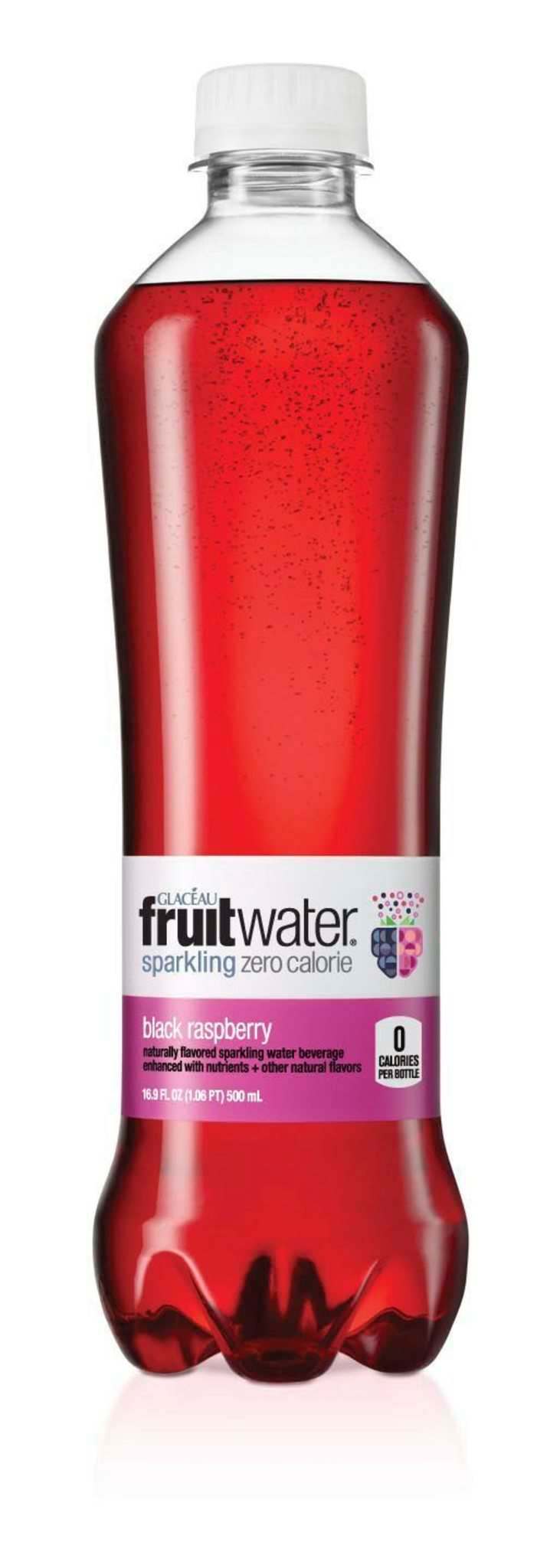
Tap water typically has a pH between six and eight. Carbonating that lowers the pH to about five. The trouble starts when flavours are added and the citric acid commonly used in bottled flavoured waters is especially insidious because besides lowering pH, it also may remove calcium from the teeth.
A 2016 report published in the Journal of the American Dental Association found uncarbonated flavoured waters such as grape, lemon or strawberry Dasani had a pH of three, only somewhat better than RC Cola and Coca-Cola, which were among the most acidic tested, at 2.32 and 2.37 respectively (and which are close to the pH 2.25 of pure lemon juice).
When you add carbonation to flavoured water, you get a one-two punch of acidity.
So, consider these strategies:
Don’t use it as primary hydration: Enjoying a sparkling mango water now and again isn’t an issue. “It’s frequent, regular consumption that can be dangerous to our teeth,” Hewlett says. Save the flavoured stuff for an occasional treat.
Minimize time exposure: The faster you drink a beverage, the less contact it has with your teeth and the more time saliva is allowed to do its job neutralizing the acid in your mouth. And contrary to what you might suspect, “brushing your teeth right after may accelerate the loss of enamel,” Hewlett says, so don’t do that.
Drink it with food: Eating stimulates the flow of acid-neutralizing saliva, so save that bottle of strawberry-kiwi water to drink with a meal or snack to dilute the acid effect.
— Washington Post