Cabernet Sauvignon star of wine festival

Advertisement
Read this article for free:
or
Already have an account? Log in here »
To continue reading, please subscribe:

Digital Subscription
One year of digital access for only $205*
- Enjoy unlimited reading on winnipegfreepress.com
- Read the E-Edition, our digital replica newspaper
- Access News Break, our award-winning app
- Play interactive puzzles
*First annual payment billed as $205.00 + GST for one year. This annual subscription will automatically renew at $233.00 + GST every 52 weeks (10% off the regular annual price of $259.35). Offer available to new and qualified returning subscribers only. Cancel any time.
To continue reading, please subscribe:
Add Free Press access to your Brandon Sun subscription for only an additional
$1 for the first 4 weeks*
- Enjoy unlimited reading on winnipegfreepress.com
- Read the E-Edition, our digital replica newspaper
- Access News Break, our award-winning app
- Play interactive puzzles
*Your next Brandon Sun subscription payment will increase by $1.00 and you will be charged $17.95 plus GST for four weeks. After four weeks, your payment will increase to $24.95 plus GST every four weeks.
Read unlimited articles for free today:
or
Already have an account? Log in here »
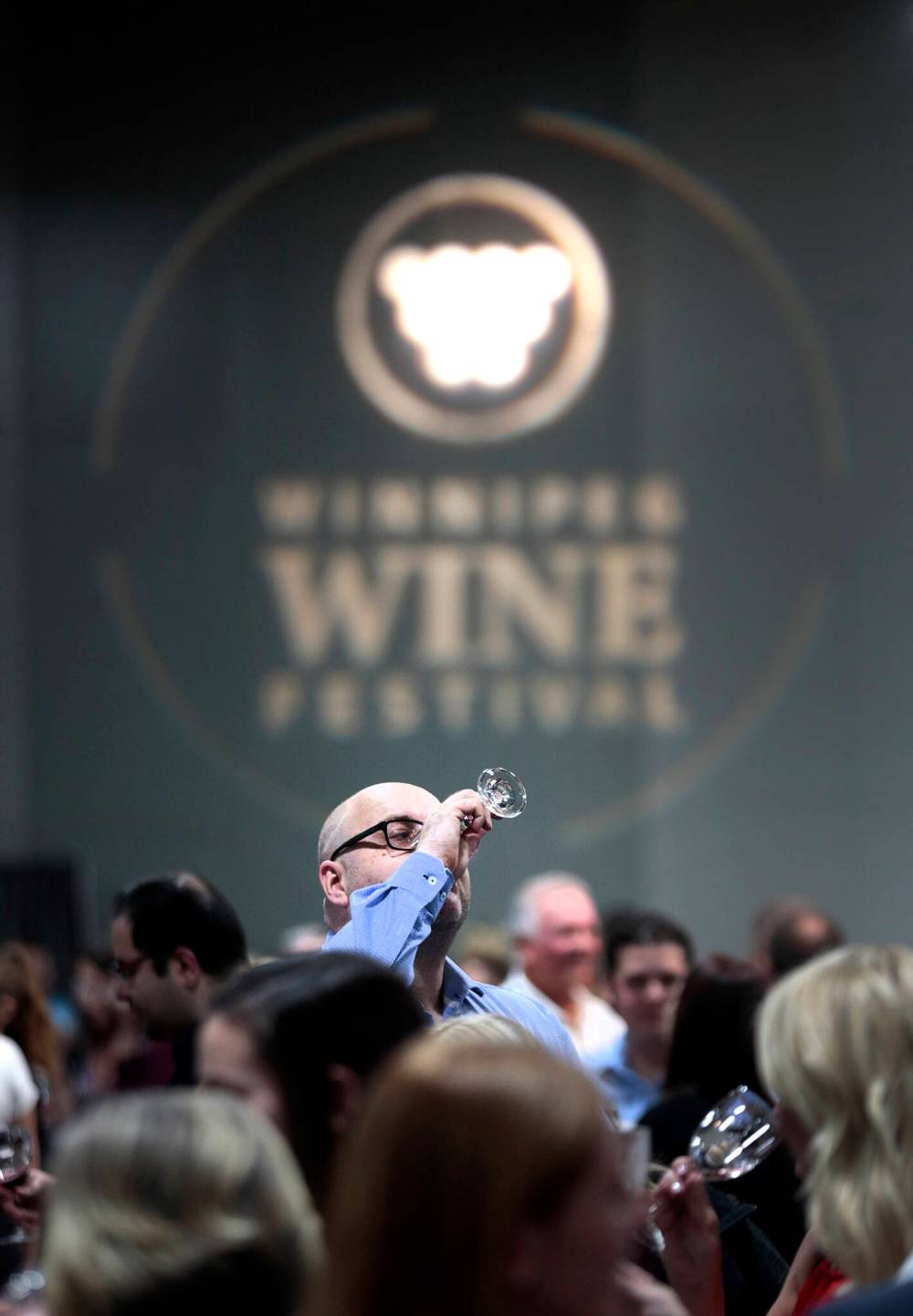
The Winnipeg Wine Festival will celebrate the king of red wine grapes next weekend — the theme of this year’s festival, which takes place Sept. 25 and 26 at the RBC Convention Centre, is Cabernet Sauvignon.
Cab Sauv, as it’s also known, is the world’s most widely planted wine grape of any colour, first coming to prominence in the 1800s in France’s Bordeaux region, where the grape is still popular. Rather than single-variety wines, Bordeaux reds tend to be blends, with those coming from the left bank of the Gironde estuary being Cabernet-dominant, while right-bank wines are Merlot-dominant, with Cabernet Sauvignon playing a supporting role. Cabernet and Merlot work well together and many other countries have followed suit in blending the two.
A team at University of California Davis put Cabernet Sauvignon through a DNA test in 1996 and discovered its parent grapes are Cabernet Franc and Sauvignon Blanc — it’s likely that at some point the two varieties, planted next to each other in some vineyard, crossed and mutated and became the grape we know today. (Someone growing grapes in the 19th century must have had an inkling of what was up, as the grape has been called Cabernet Sauvignon since long before the DNA test.)
Flavour-wise, most Cabernet Sauvignon wines are big and bold, with a core of deep dark berry flavours, some graphite and spice notes and relatively bright acidity. It’s a grape that is well-suited to barrel aging, with most examples seeing at least some time in wood.
The variety’s thick skins bring mouth-drying tannins, which are more prominent in cooler-climate examples and also bring slightly greener flavours; warmer-climate Cab, meanwhile, delivers riper fruit flavours that can better grapple with the tannins.
Beyond Bordeaux, it’s in warmer climates where Cabernet Sauvignon has particularly thrived. South of the border, the grape is widely planted in Napa Valley, where some of the world’s top Cabs are made. But since we’re not doing U.S. wines right now, it’s worth exploring other regions where Cabernet Sauvignon does well, including Chile, Argentina, South Africa, Australia, southern France and the warmer southern end of British Columbia’s Okanagan Valley.
The combination of acidity, ripe fruit, tannins and barrel aging also means Cabernet Sauvignon tends to be a prime candidate for aging — while most Cabs we’d buy for day-to-day enjoyment are meant to be drunk within a couple of years of the vintage date, premium examples can be cellared for years.
There are dozens of Cabernet Sauvignons being poured at this year’s Winnipeg Wine Festival — those looking to try a range of examples of the grape will have plenty to choose from. The festival takes place Friday from 7 to 10 p.m. and Saturday, Sept. 26, from 1 to 4 p.m. and 7 to 10 p.m. Tickets are $88 at wfp.to/winefest26 — or save about $8 in fees and pick them up at your local Liquor Mart. (There’s also a pricier $150 VIP option for the evening tastings that get you in one hour earlier and offers access to the VIP Cabernet Lounge.)
Proceeds from the Winnipeg Wine Festival, as always, are in support of Special Olympics Manitoba.
Wines of the week
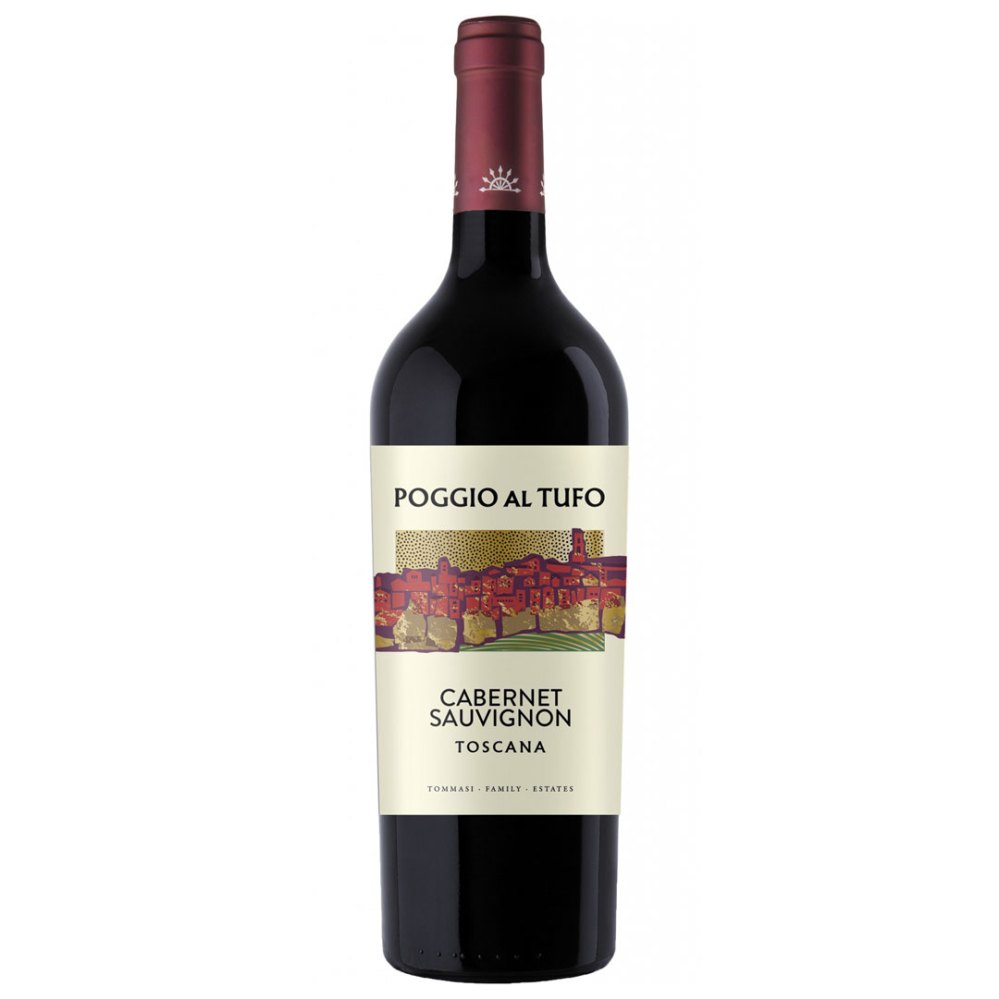
Tommasi 2022 Poggio al Tufo Cabernet Sauvignon
(Tuscany, Italy — $25.99, Liquor Marts and beyond)
There’s a bright core of violet, cassis, blueberry, white pepper and blackberry on the nose of this warm-climate Tuscan Cab, sourced from vines growing in volcanic soil. It’s full-bodied and dry but juicy, bringing deep blueberry, cassis and blackberry flavours alongside plum, anise and white pepper notes, while tannins are soft and the 13 per cent alcohol seems just right.
It’s aged in Slavonian oak casks — likely older ones used a few times over, as the wood presence is minimal. Drinking well on its own now. 4/5
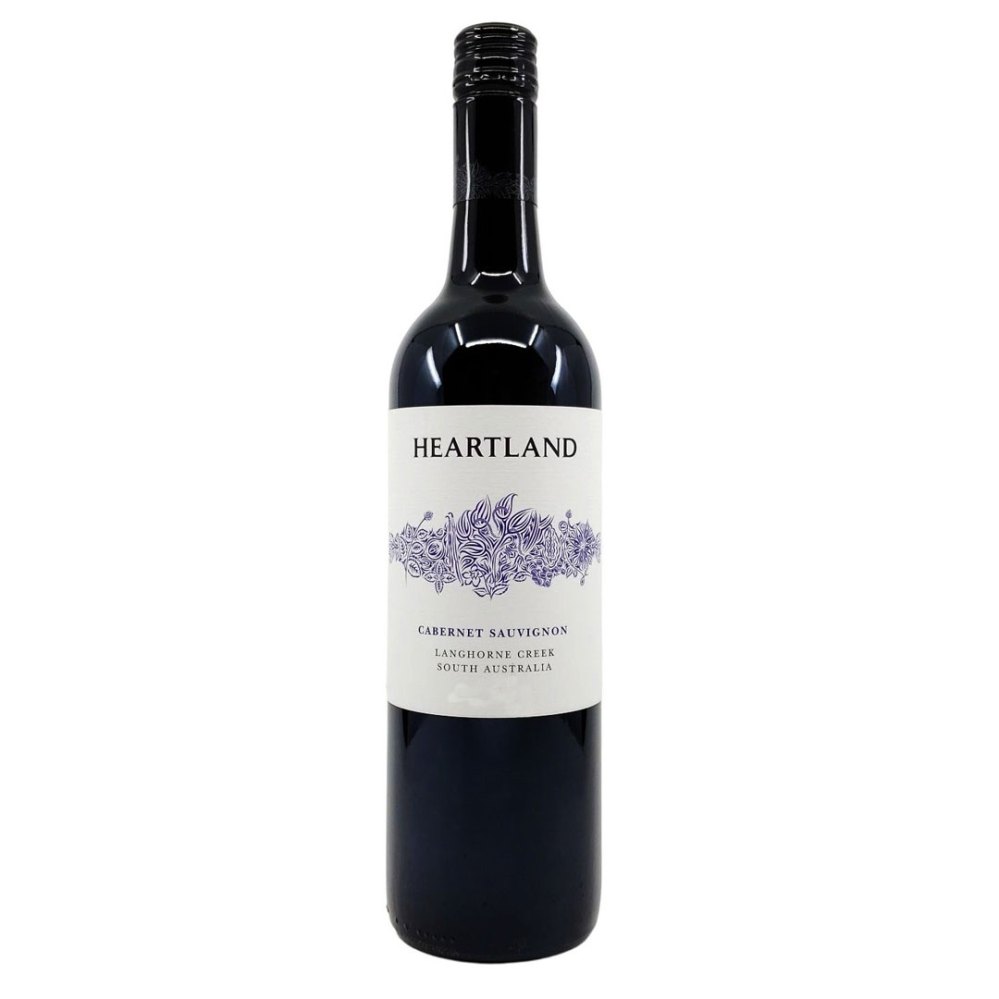
Heartland 2023 Cabernet Sauvignon
(Langhorne Creek, Australia — around $25, private wine stores)
The grapes for this Aussie Cabernet Sauvignon are sourced from 25-plus year-old vines; the wine’s inky purple in appearance, with blackberry, plum, dark chocolate and vanilla aromas and a hint of a raisined note.
On the palate it’s dry, full-bodied and dense, with chewy cassis, plum and blueberry flavours coming with vanilla and spice notes (thanks to 12 months aging in second-use French and American oak barrels).
A slightly peppery note comes with the modest tannins, while the finish is slightly warm. Available at the Winehouse and the Pourium. 4/5
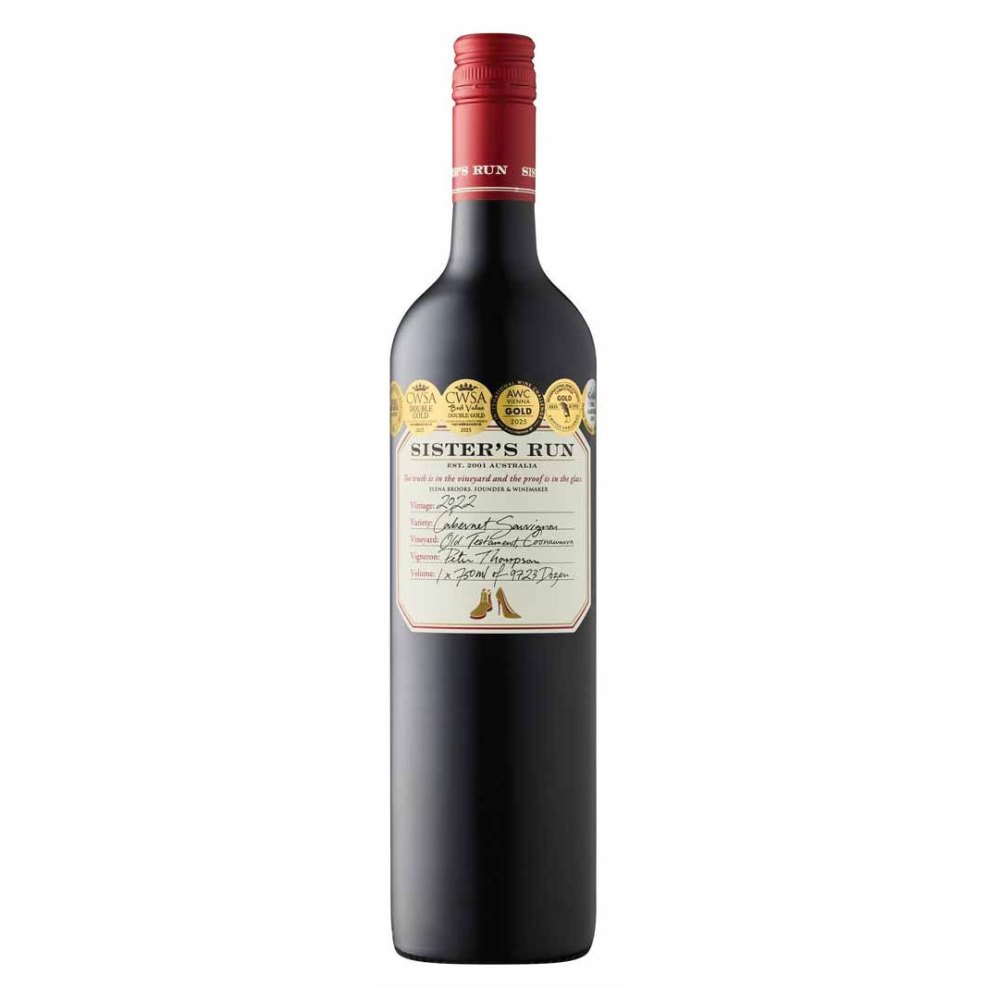
Sister’s Run 2022 Cabernet Sauvignon
(Coonawarra, Australia — $18.99, Liquor Marts and beyond)
From a single vineyard in the red-soiled Coonawarra region comes this Cabernet Sauvignon, deep cherry red in appearance and with aromas of cassis, eucalyptus (a common trait of Coonawarra Cabs), blueberry, black currant and subtle vanilla and spice.
It’s full-bodied and dry, with ripe, deep dark berry flavours coming with herbal/eucalyptus and vanilla components before the medium-length finish (it’s 14 per cent alcohol).
Drinking brilliantly now. 4.5/5
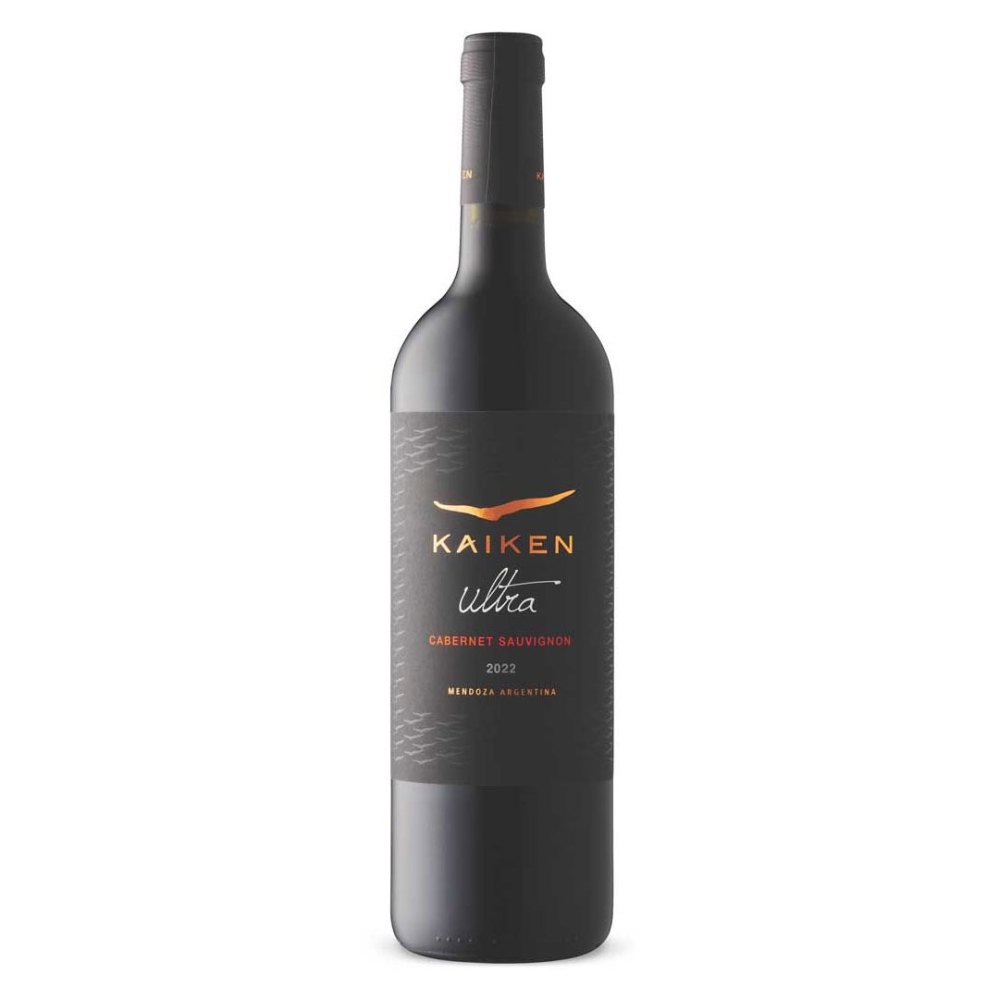
Kaiken 2022 Ultra Cabernet Sauvignon
(Mendoza, Argentina — $23.24, Liquor Marts and beyond)
With grapes grown over 1,000 metres above sea level, this Argentine Cab is inky garnet in appearance and brings cassis, savoury and almost-meaty spice aromas, as well as black pepper, plum and blackberry notes.
It’s dense, dry and full-bodied, with ripe blackcurrant, cassis and blackberry flavours coming with a slightly saline note, and savoury spice notes coming with medium, grippy tannin and, at 14.5 per cent alcohol, a warm and lengthy finish.
Nearly half the wine was aged in French oak for 12 months and one-third of the barrels were new. Let this breathe for half an hour in a glass before drinking now or set this big red aside for a few years. On sale until the end of September (regular $25.99). 4.5/5
ben.sigurdson@winnipegfreepress.com
Ben Sigurdson
Literary editor, drinks writer
Ben Sigurdson is the Free Press‘s literary editor and drinks writer. He graduated with a master of arts degree in English from the University of Manitoba in 2005, the same year he began writing Uncorked, the weekly Free Press drinks column. He joined the Free Press full time in 2013 as a copy editor before being appointed literary editor in 2014. Read more about Ben.
In addition to providing opinions and analysis on wine and drinks, Ben oversees a team of freelance book reviewers and produces content for the arts and life section, all of which is reviewed by the Free Press’s editing team before being posted online or published in print. It’s part of the Free Press‘s tradition, since 1872, of producing reliable independent journalism. Read more about Free Press’s history and mandate, and learn how our newsroom operates.
Our newsroom depends on a growing audience of readers to power our journalism. If you are not a paid reader, please consider becoming a subscriber.
Our newsroom depends on its audience of readers to power our journalism. Thank you for your support.
Ben Sigurdson
Literary editor, drinks writer
Ben Sigurdson is the Free Press‘s literary editor and drinks writer. He graduated with a master of arts degree in English from the University of Manitoba in 2005, the same year he began writing Uncorked, the weekly Free Press drinks column. He joined the Free Press full time in 2013 as a copy editor before being appointed literary editor in 2014. Read more about Ben.
In addition to providing opinions and analysis on wine and drinks, Ben oversees a team of freelance book reviewers and produces content for the arts and life section, all of which is reviewed by the Free Press’s editing team before being posted online or published in print. It’s part of the Free Press‘s tradition, since 1872, of producing reliable independent journalism. Read more about Free Press’s history and mandate, and learn how our newsroom operates.
Our newsroom depends on a growing audience of readers to power our journalism. If you are not a paid reader, please consider becoming a subscriber.
Our newsroom depends on its audience of readers to power our journalism. Thank you for your support.
Advertisement Advertise With Us
Advertisement Advertise With Us