Government charts path toward supporting PTSD sufferers
Advertisement
Read this article for free:
or
Already have an account? Log in here »
To continue reading, please subscribe:

Digital Subscription
One year of digital access for only $205*
- Enjoy unlimited reading on winnipegfreepress.com
- Read the E-Edition, our digital replica newspaper
- Access News Break, our award-winning app
- Play interactive puzzles
*First annual payment billed as $205.00 + GST for one year. This annual subscription will automatically renew at $233.00 + GST every 52 weeks (10% off the regular annual price of $259.35). Offer available to new and qualified returning subscribers only. Cancel any time.
To continue reading, please subscribe:
Add Free Press access to your Brandon Sun subscription for only an additional
$1 for the first 4 weeks*
- Enjoy unlimited reading on winnipegfreepress.com
- Read the E-Edition, our digital replica newspaper
- Access News Break, our award-winning app
- Play interactive puzzles
*Your next Brandon Sun subscription payment will increase by $1.00 and you will be charged $17.95 plus GST for four weeks. After four weeks, your payment will increase to $24.95 plus GST every four weeks.
Read unlimited articles for free today:
or
Already have an account? Log in here »
Hey there, time traveller!
This article was published 13/02/2020 (2365 days ago), so information in it may no longer be current.
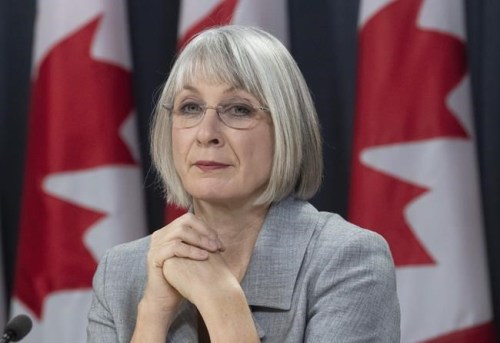
OTTAWA – The federal government has released its plan to improve support for people who are affected by post-traumatic stress disorder.
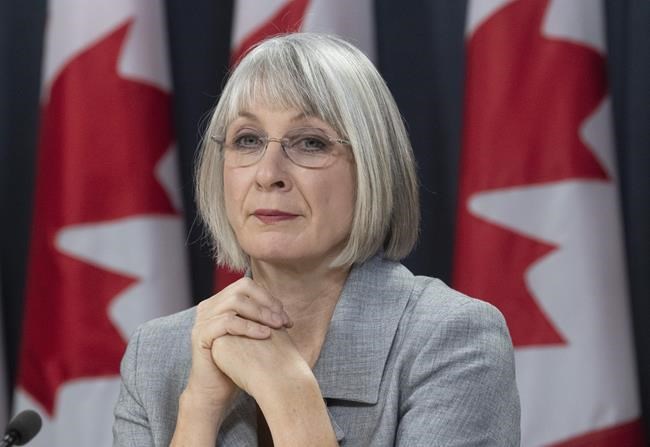
The plan from Health Minister Patty Hajdu charts a path for how the government approaches occupational PTSD, considering supports can vary province to province and workplace to workplace.
It outlines how the government will improve tracking of the disorder, and the associated economic and social costs, as well as develop guidelines for diagnosis and treatment.
It also outlines ways to share best practices and distribute standardized educational material to public health care providers across the country.
While the framework is aimed a people whose jobs put them at greater risk of developing PTSD, such as first responders, military members and health workers, it also recognizes that anyone who develops the disorder under traumatic circumstances should be considered in the government’s actions.
The plan is the result of consultation with government ministries, PTSD specialists and sufferers who attended a two-day conference last year.
“I am deeply grateful to the Canadians who helped develop this framework by sharing their stories, challenges and triumphs in dealing with PTSD,” Hajdu said in a release. “We know there is more to do, but this framework will allow us to move forward and better support those dealing with PTSD.”
The Public Health Agency of Canada appointed a PTSD secretariat to lead the effort on putting together the framework last year, and carry it forward as knowledge about the disorder evolves with time.
The Public Health Agency of Canada will review the plan in five years to see how well it is working.
This report by The Canadian Press was first published Feb. 13, 2020.