Federal settlement for thalidomide survivors gets court’s approval
Advertisement
Read this article for free:
or
Already have an account? Log in here »
To continue reading, please subscribe:

Digital Subscription
One year of digital access for only $205*
- Enjoy unlimited reading on winnipegfreepress.com
- Read the E-Edition, our digital replica newspaper
- Access News Break, our award-winning app
- Play interactive puzzles
*First annual payment billed as $205.00 + GST for one year. This annual subscription will automatically renew at $233.00 + GST every 52 weeks (10% off the regular annual price of $259.35). Offer available to new and qualified returning subscribers only. Cancel any time.
To continue reading, please subscribe:
Add Free Press access to your Brandon Sun subscription for only an additional
$1 for the first 4 weeks*
- Enjoy unlimited reading on winnipegfreepress.com
- Read the E-Edition, our digital replica newspaper
- Access News Break, our award-winning app
- Play interactive puzzles
*Your next Brandon Sun subscription payment will increase by $1.00 and you will be charged $17.95 plus GST for four weeks. After four weeks, your payment will increase to $24.95 plus GST every four weeks.
Read unlimited articles for free today:
or
Already have an account? Log in here »
Hey there, time traveller!
This article was published 08/05/2020 (2325 days ago), so information in it may no longer be current.
OTTAWA – A federal judge has locked in a compensation program for Canadians born with birth defects because of the drug thalidomide.
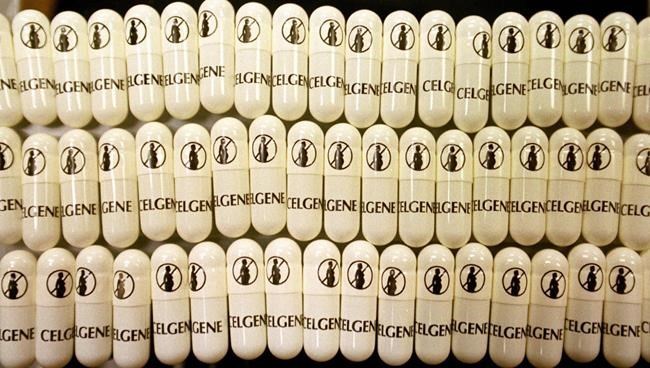
Thalidomide was approved in Canada to treat morning sickness in pregnant women for less than a year in the early 1960s but it was available unofficially for several years both before and after that.
The drug caused major problems in fetuses, particularly shortened and malformed limbs, and in 1990, the Canadian government set up one program to help people living with the consequences.
In 2015, the federal government set up another, but it came under attack for demanding applicants prove they were eligible by supplying detailed documentation of things their mothers did more than 50 years before.
After people who had been refused under that program filed a lawsuit, a third attempt in 2019 offered more money and somewhat looser standards — roughly doubling the 135 people eligible for payments under the previous programs.
The ruling by Federal Court Justice Michael Phelan locks in those payments and eligibility rules, and sets up an appeal process for people who are still denied compensation under the terms of a settlement between the government and the thalidomide victims.
Though the judge accepts the settlement, his ruling says he’s disappointed the federal government is insisting on limiting the period during which people eligible for compensation have to have been born.
The government is resisting payouts to people whose mothers took thalidomide at “unauthorized” times, some by a matter of weeks.
“Canada’s explanation for its rigid approach, while coldly scientific, lacked the compassion for the individual which the government espoused,” Phelan’s ruling says, but acknowledges the judge can’t change it without putting the whole settlement in jeopardy.
“Regrettably, the Court is powerless to do anything about this issue, other than to encourage a compassionate reconsideration.”
This report by The Canadian Press was first published May 8, 2020.