COVID-19 shows need for long-term-care reform but solve crisis first, Trudeau says
Advertisement
Read this article for free:
or
Already have an account? Log in here »
To continue reading, please subscribe:

Digital Subscription
One year of digital access for only $205*
- Enjoy unlimited reading on winnipegfreepress.com
- Read the E-Edition, our digital replica newspaper
- Access News Break, our award-winning app
- Play interactive puzzles
*First annual payment billed as $205.00 + GST for one year. This annual subscription will automatically renew at $233.00 + GST every 52 weeks (10% off the regular annual price of $259.35). Offer available to new and qualified returning subscribers only. Cancel any time.
To continue reading, please subscribe:
Add Free Press access to your Brandon Sun subscription for only an additional
$1 for the first 4 weeks*
- Enjoy unlimited reading on winnipegfreepress.com
- Read the E-Edition, our digital replica newspaper
- Access News Break, our award-winning app
- Play interactive puzzles
*Your next Brandon Sun subscription payment will increase by $1.00 and you will be charged $17.95 plus GST for four weeks. After four weeks, your payment will increase to $24.95 plus GST every four weeks.
Read unlimited articles for free today:
or
Already have an account? Log in here »
Hey there, time traveller!
This article was published 27/05/2020 (2312 days ago), so information in it may no longer be current.
OTTAWA – Prime Minister Justin Trudeau expects to have a comprehensive conversation with Canada’s premiers about immediate and long-term reforms of the country’s elder care system in light of reports of neglect and abuse of seniors in facilities in Quebec and Ontario.
And while Trudeau says all options are on the table for discussion, he remained firm Ottawa has no plans to barge into an area of provincial jurisdiction pushing a federal agenda where it may not be wanted.
The state of long-term care will be a key topic of conversation among Trudeau and Canada’s premiers during their weekly COVID-19 call Thursday.
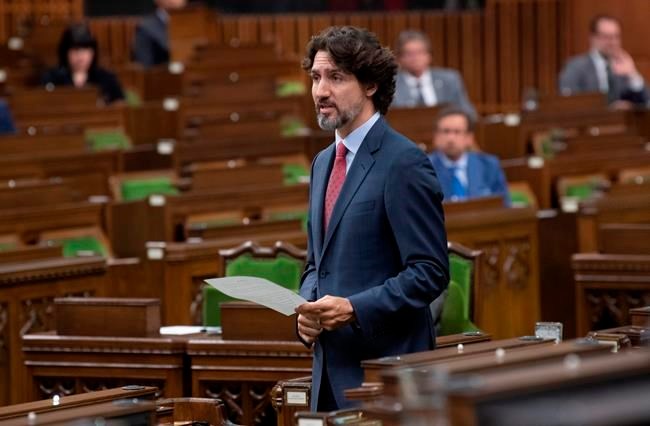
“I will once again offer our federal government’s support as they try to get the situation under control,” Trudeau said.
“We need to do a better job of caring for seniors. They raised us, they built this country, they deserve better.”
Trudeau’s comments come as Ontario and Quebec are asking Ottawa to extend the deployment of military personnel in long-term care homes in their provinces to help with major staffing shortages in the midst of the pandemic.
Quebec Premier Francois Legault wants the military to stay until at least Sept. 15 to give his government time to train thousands of workers to take their place. Ontario is asking for the troops to stay until June 12.
In an interview with CBC Wednesday, Defence Minister Harjit Sajjan said medical military resources are finite and it is not sustainable to continue this work for another four months.
An analysis is now being done to see how long the deployment, known as Operation LASER, can continue.
“We can’t do it for this long. Just keep in mind right now, our medical personnel that have gone in … have been working seven days a week, 12-hour shifts every single day, and we need to make sure we look after them as well,” Sajjan told the CBC.
“We need to start seeing a plan of how we’re going to be able to pull the military out so that the right people can go in and provide that necessary support because our troops have done some amazing things, but we can’t sustain this.”
The immediate priority is ensuring residents living in long-term care centres are getting proper care as the COVID-19 pandemic continues to rage, Trudeau said Wednesday, which includes that ongoing support being delivered by the military.
But while Ottawa is open to having conversations about larger, systemic changes that might be necessary to improve care for seniors across Canada, the prime minister says he respects and recognizes that provinces have jurisdiction over delivery of long-term care.
“There will be many important discussions going forward on how we establish a better system in Canada and I’m not going to short circuit that conversation by putting forward aggressive proposals right now.”
Newly released reports from the Canadian Forces detailing conditions they found in five long-term care homes in Ontario and in Quebec paint a grim picture of how the pandemic has affected many nursing homes.
In Ontario, the military found people left in filth for weeks, others left on the floor where they had fallen, cockroach infestations, people choking while being improperly fed, patients with brutal pressure sores, and seniors pleading for help for hours to no avail.
Allegations also included failure to isolate patients who had tested positive for COVID-19 from the rest of the homes and a host of hygiene issues.
Ontario Premier Doug Ford said Wednesday the province would be undergoing “rigorous inspections” of long-term care centres across the province in light of the findings.
Officials want to find out “who are good operators and who are bad actors,” Ford said, adding that he believes the majority of nursing home operators in the province are good.
In Quebec, the military’s findings were was less critical than those in Ontario, but they did reveal a widespread lack of personnel and high absenteeism, which the Forces said has negatively affected patient hygiene.
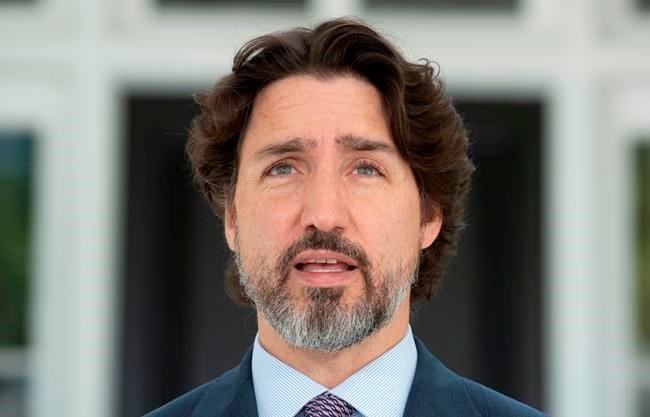
Other issues they found included problems with distribution of personal protective equipment, disappearing medical supplies and residents circulating within facilities without protective equipment.
The Quebec report released Wednesday also describes enormous difficulties encountered on the ground by soldiers, noting that steps will be needed to support the mental health of CAF members who have worked in these homes.
As of Tuesday, a total 39 of CAF members had tested positive for COVID-19 while working in nursing homes, including 15 in Ontario and 24 in Quebec.
Sajjan promised troops working in nursing homes will be given hazard pay.
When it comes to the safety of nursing home residents, advocates and experts in long-term care are calling on Ottawa to intervene and implement national standards immediately to address the dire living situations facing some seniors, who also face increased risks from COVID-19.
Treasury Board President Jean-Yves Duclos said Wednesday taking such a unilateral approach without the support of the provinces and territories could backfire.
“We know that federal support and federal guidelines … that’s good when it is developed in collaboration and in full support of the work of provinces and territories, otherwise we’ll engage in jurisdictional fights and that would be completely counterproductive,” he said.
Quebec Premier Francois Legault says the best way Ottawa can help provinces with long-term care is to heed the ongoing calls from the premiers and increase their annual health transfers.
“We’re not happy about the fact the federal government used to finance 50 per cent of the health-care expenses of the provinces. They now are (funding) between 20 and 25 per cent,” Legault said.

“We’re telling Mr. Trudeau if you really want to help us in long-term care facilities, please increase your transfers in health to all provinces. Then we’ll be able to hire, pay better and have more staff in our long-term care facilities.”
Meanwhile, New Brunswick reported another new case of COVID-19 in the Campbellton, N.B., area — the third in less than a week in the north of the province, bordering Quebec.
One of the people involved is a health-care worker who met with patients over a two-week period, sparking concerns there will be more cases.
The Campbellton region is now walking back some of its reopening plans.
This report by The Canadian Press was first published May 27, 2020.
Related Articles
Private nursing home owners under pressure as COVID-19 exposes flaws in system







Advertisement Advertise With Us
Advertisement Advertise With Us