Utah judge to rule next week on state abortion clinic ban
Advertisement
Read this article for free:
or
Already have an account? Log in here »
To continue reading, please subscribe:

Digital Subscription
One year of digital access for only $205*
- Enjoy unlimited reading on winnipegfreepress.com
- Read the E-Edition, our digital replica newspaper
- Access News Break, our award-winning app
- Play interactive puzzles
*First annual payment billed as $205.00 + GST for one year. This annual subscription will automatically renew at $233.00 + GST every 52 weeks (10% off the regular annual price of $259.35). Offer available to new and qualified returning subscribers only. Cancel any time.
To continue reading, please subscribe:
Add Free Press access to your Brandon Sun subscription for only an additional
$1 for the first 4 weeks*
- Enjoy unlimited reading on winnipegfreepress.com
- Read the E-Edition, our digital replica newspaper
- Access News Break, our award-winning app
- Play interactive puzzles
*Your next Brandon Sun subscription payment will increase by $1.00 and you will be charged $17.95 plus GST for four weeks. After four weeks, your payment will increase to $24.95 plus GST every four weeks.
Read unlimited articles for free today:
or
Already have an account? Log in here »
Hey there, time traveller!
This article was published 28/04/2023 (1256 days ago), so information in it may no longer be current.
SALT LAKE CITY (AP) — The Planned Parenthood Association of Utah argued in court on Friday that a ban on abortion clinics would “functionally eliminate” abortion access if implemented next week as scheduled.
After hearing arguments from attorneys representing Utah and abortion providers, state court judge Andrew Stone said he planned to rule next week on Planned Parenthood’s motion requesting the law be delayed.
“It would not be fair at this point to shoot from the hip,” Stone said, explaining that he needed several days to review each side’s briefs.
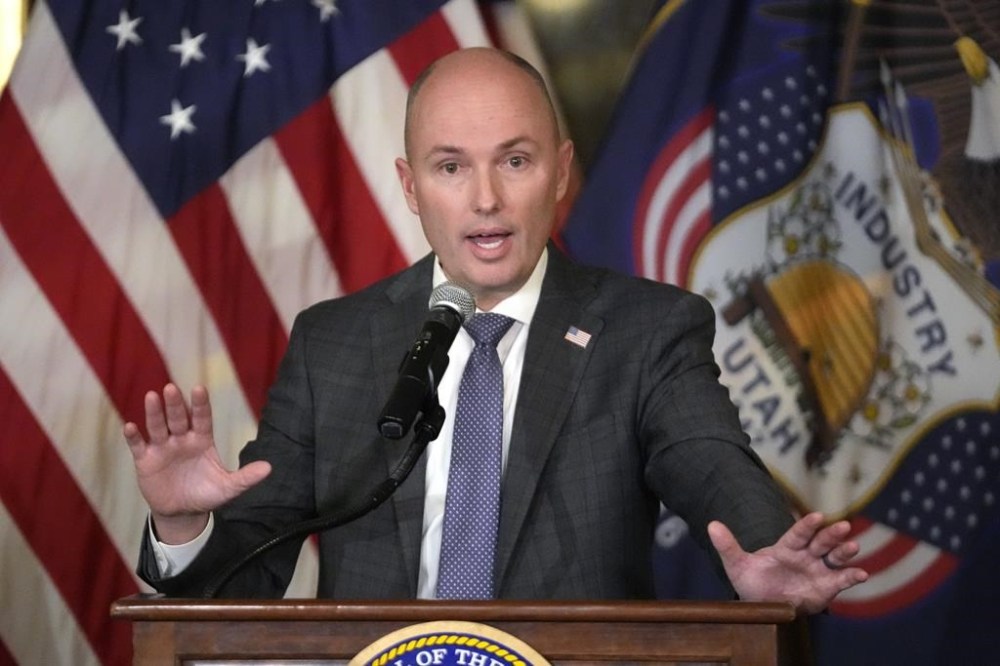
Planned Parenthood argues that the clinic ban is a backdoor strategy from Utah to further restrict abortion while legal challenges to a 2020 trigger law make their way through the court system. Utah rebuffed those arguments and said abortion clinics could reapply to be licensed as hospitals under the new framework. The state’s attorneys said the court had little grounds to overrule a law passed and signed by elected officials because courts hadn’t determined Utah’s Constitution guaranteed the right to an abortion.
“There is a public interest in enacting laws, including licensure laws and regulations, that promote high standards of public health and safety, even if the effect of such laws reduces the number of overall providers,” attorneys general argued.
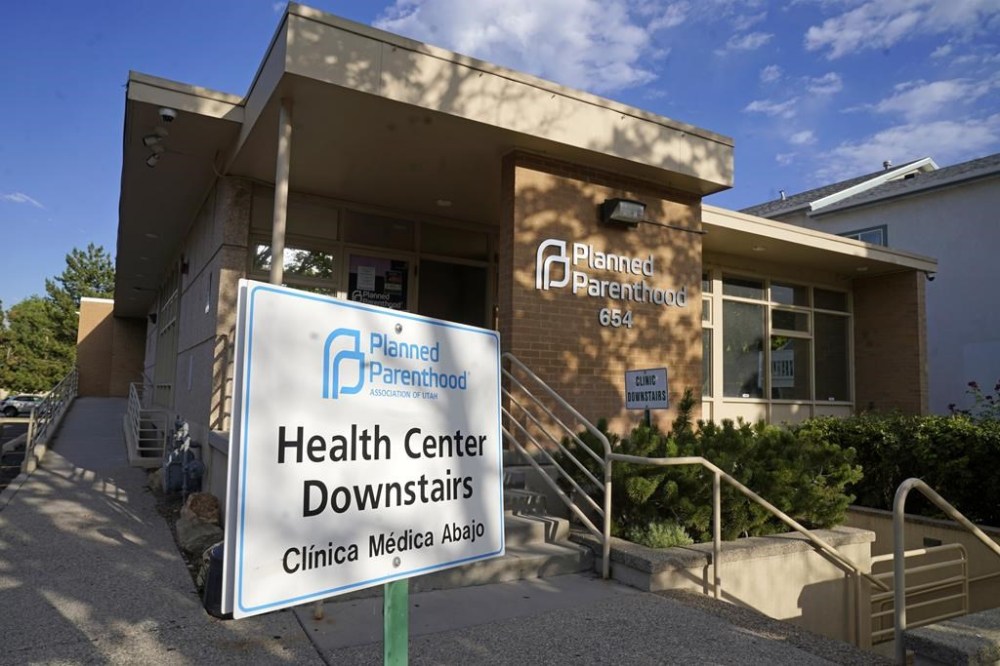
Amid conflicting interpretations of when abortion clinics will lose their licenses under the law, Planned Parenthood said it would be forced to stop providing abortions when provisions of the law begin on May 3. It operates three of the four clinics in Utah that provide abortions. Utah officials have said the licenses would remain valid until the end of the year, but Planned Parenthood has said it fears that continuing as before could open their clinicians up to criminal penalties.
“There are no other alternatives if these clinics are shut down,” said Sarah Stoesz, the president and CEO of the group’s Utah affiliate, said outside of court on Friday. “Hospitals have not stepped forward to say that they will take the care that licensed abortion clinics provide.”
The ban on clinics is Utah lawmakers’ latest effort to restrict abortions and comes less than a year after the U.S. Supreme Court overturned Roe v. Wade. That decision triggered two previously passed laws — a 2019 ban on abortion after 18 weeks and a 2020 ban on abortions regardless of trimester, with several exceptions including instances of risk to maternal health as well as rape or incest reported to the police.
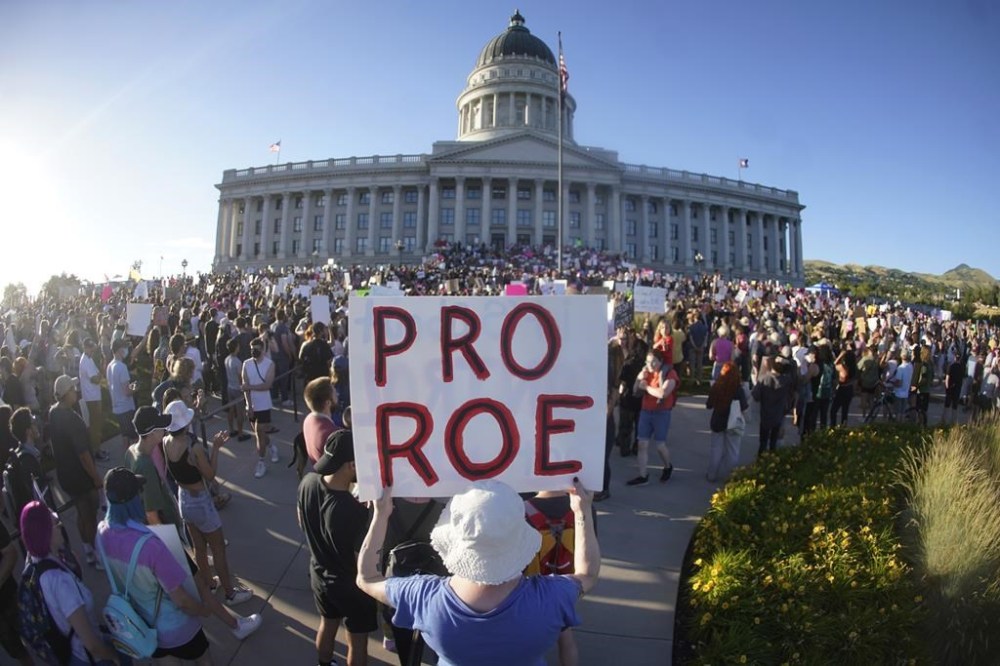
The state Planned Parenthood affiliate sued over the 2020 ban. Last July, a judge delayed implementing it until legal challenges could be resolved. The 18-week ban has since been de facto law.
If the clinic ban takes effect, the delicensing of clinics will transition most abortions to hospitals, which generally do not specialize in low-cost outpatient abortions, including providing the abortion pill. In Utah, clinics provide 95% of abortions.
State Rep. Karianne Lisbonbee, the sponsor of the clinic ban legislation, told the AP last month that ensuring hospitals could provide abortions in the emergency circumstances outlined in the 2020 ban “strikes the best balance of protecting innocent life and protecting women who experience rare and dangerous complications during pregnancy.”
The law is set to take effect next Wednesday, at which time abortion clinics will no longer be able to apply to be licensed. It would institute a full ban on Jan. 1, 2024, by stripping all clinics of their licenses.
The clinic-centered push in Utah is unique among states with trigger laws, where many abortion clinics closed after last year’s Supreme Court decision. Clinics were shuttered in states including West Virginia and Mississippi, but they remain open in Utah while courts deliberate. The measure mirrors a raft of proposals passed in red states in the decade before Roe was overturned when anti-abortion lawmakers passed measures regulating clinics, including the size of procedure rooms and distances from hospitals.
The court heard the request to delay implementing the ban as lawmakers in Nebraska and South Carolina both elected not to advance abortion restriction measures. The impact of the Supreme Court’s decision has continued to bear out in legislatures across the United States and in courtrooms, where lawsuits challenging newly implemented restrictions have been filed in at least 21 states.