US backs study of safe injection sites, overdose prevention
Advertisement
Read this article for free:
or
Already have an account? Log in here »
To continue reading, please subscribe:

Digital Subscription
One year of digital access for only $205*
- Enjoy unlimited reading on winnipegfreepress.com
- Read the E-Edition, our digital replica newspaper
- Access News Break, our award-winning app
- Play interactive puzzles
*First annual payment billed as $205.00 + GST for one year. This annual subscription will automatically renew at $233.00 + GST every 52 weeks (10% off the regular annual price of $259.35). Offer available to new and qualified returning subscribers only. Cancel any time.
To continue reading, please subscribe:
Add Free Press access to your Brandon Sun subscription for only an additional
$1 for the first 4 weeks*
- Enjoy unlimited reading on winnipegfreepress.com
- Read the E-Edition, our digital replica newspaper
- Access News Break, our award-winning app
- Play interactive puzzles
*Your next Brandon Sun subscription payment will increase by $1.00 and you will be charged $17.95 plus GST for four weeks. After four weeks, your payment will increase to $24.95 plus GST every four weeks.
Read unlimited articles for free today:
or
Already have an account? Log in here »
Hey there, time traveller!
This article was published 08/05/2023 (1230 days ago), so information in it may no longer be current.
For the first time, the U.S. government will pay for a large study measuring whether overdoses can be prevented by so-called safe injection sites, places where people can use heroin and other illegal drugs and be revived if they take too much.
The grant provides more than $5 million over four years to New York University and Brown University to study two sites in New York City and one opening next year in Providence, Rhode Island.
Researchers hope to enroll 1,000 adult drug users to study the sites’ effects on overdoses, to estimate their costs and to gauge potential savings for the health care and criminal justice systems.
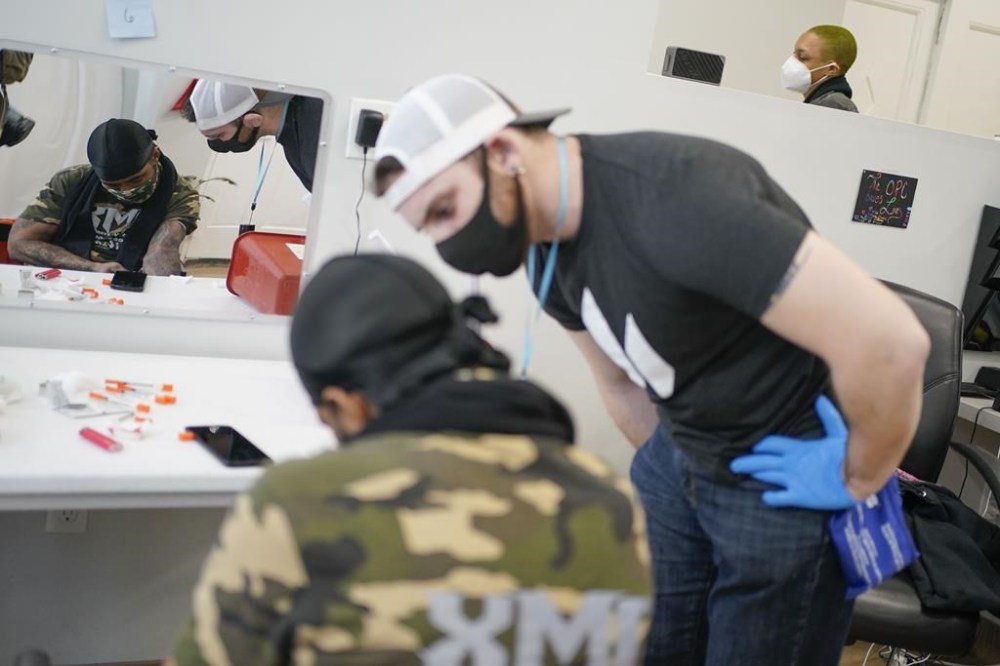
The universities announced the grant Monday. The money will not be used to operate the sites, the universities said.
With U.S. drug overdose deaths reaching nearly 107,000 in 2021, supporters contend safe injection sites, also called overdose preventions centers, can save lives and connect people with addiction treatment, mental health services and medical care.
Opponents worry the sites encourage drug use and that they will lead to the deterioration of surrounding neighborhoods.
“There is a lot of discussion about overdose prevention centers, but ultimately, we need data to see if they are working or not, and what impact they may have on the community,” said Dr. Nora Volkow, director of the National Institute on Drug Abuse, which awarded the grant.
Sites operate in 14 countries, including Canada, Australia and France, according to the Drug Policy Alliance, a group working for decriminalization and safe drug use policies.
In the U.S., New York City opened the first publicly recognized safe injection site in 2021 and Rhode Island became the first state to authorize them that year.
States including Colorado, Nevada and New Mexico have considered allowing them. The governors of California and Vermont vetoed safe injection site bills last year, and Pennsylvania’s Senate last week voted for a ban on them.
The grant marks another move by the Biden administration toward what is known as harm reduction, a strategy focused on preventing death and illness in drug users while helping them get care, as opposed to punishment.
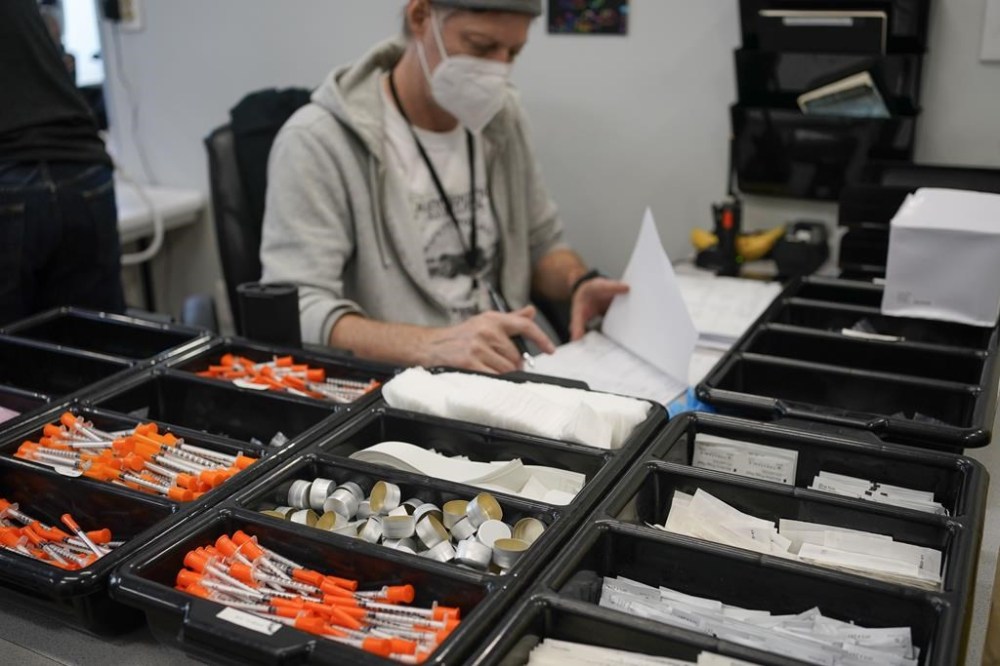
The White House’s drug control strategy is the first to emphasize harm reduction, and the Justice Department has signaled it will allow safe injection sites.
In December, the National Institutes of Health established a harm reduction research network to study programs providing services and supplies such as naloxone, a drug that can reverse overdoses, and materials to test drugs for fentanyl, a powerful opioid driving record numbers of overdoses. The new study will be part of that project.
___
The Associated Press Health and Science Department receives support from the Howard Hughes Medical Institute’s Science and Educational Media Group. The AP is solely responsible for all content.