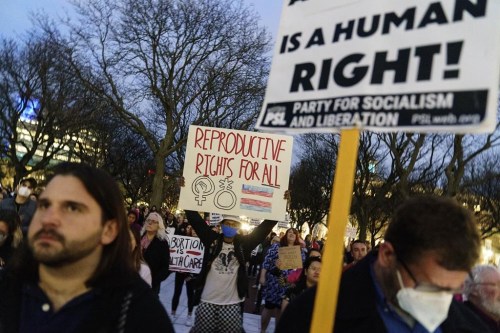
Rhode Island governor signs bill to fund abortion coverage for state workers and Medicaid recipients
Advertisement
Read this article for free:
or
Already have an account? Log in here »
To continue reading, please subscribe:
Digital Subscription
One year of digital access for only $1.44 a week*
- Enjoy unlimited reading on winnipegfreepress.com
- Read the E-Edition, our digital replica newspaper
- Access News Break, our award-winning app
- Play interactive puzzles
*Billed as $5.77 plus GST every four weeks. After 52 weeks, price increases to the regular rate of $19.95 plus GST every four weeks. Offer available to new and qualified returning subscribers only. Cancel any time.
To continue reading, please subscribe:
Add Free Press access to your Brandon Sun subscription for only an additional
$1 for the first 4 weeks*
- Enjoy unlimited reading on winnipegfreepress.com
- Read the E-Edition, our digital replica newspaper
- Access News Break, our award-winning app
- Play interactive puzzles
*Your next Brandon Sun subscription payment will increase by $1.00 and you will be charged $17.95 plus GST for four weeks. After four weeks, your payment will increase to $24.95 plus GST every four weeks.
Read unlimited articles for free today:
or
Already have an account? Log in here »
Hey there, time traveller!
This article was published 18/05/2023 (1250 days ago), so information in it may no longer be current.
PROVIDENCE, R.I. (AP) — Rhode Island Gov. Daniel McKee signed a bill into law Thursday that would let state funds be used to pay for health insurance plans that cover state workers and Medicaid recipients seeking abortions.
The signing ceremony was held almost immediately after the state Senate approved the measure, also Thursday, on a 24-12 vote following less than an hour of debate in the chamber.
McKee, a Democrat, said he was proud to sign the bill into law and include related funding in his state budget proposal.
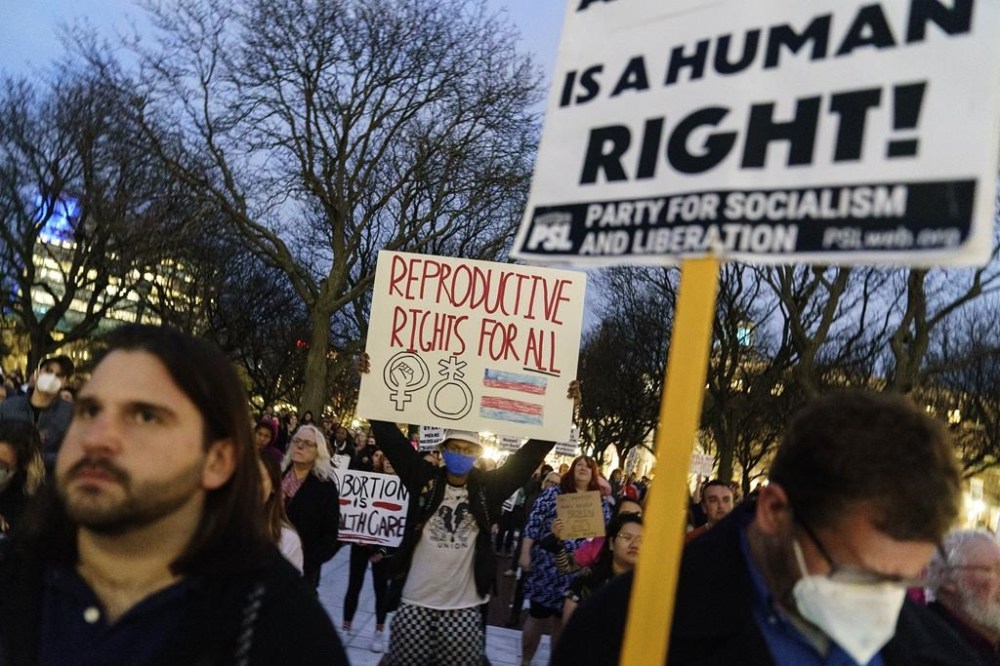
“Here in Rhode Island, we will always protect a woman’s right to choose and ensure equal access to these crucial health care services,” he said.
An identical version of the measure cleared the Democratic-controlled House of Representatives on April 27 by a 49-24 vote.
Democratic state Sen. Bridget Valverde, one of the bill’s sponsors, said that despite a vote by Rhode Island lawmakers four years ago to enshrine the right to safe, legal abortion in the state, the work to help guarantee access to abortions was unfinished.
“For so many the right has remained illusive,” she said. “That’s because a right to a health care service is useless if we intentionally prevent people’s health insurance from covering it.”
Medicaid patients and state workers deserve to have the same access to care as people enrolled in private health insurance plans, she said.
With the new law, doctors will no longer have to tell their low-income patients that their health insurance won’t cover their abortion, she added.
Opponents said the state shouldn’t require state taxpayers, including those with moral objections to the procedure, to cover the cost of abortions.
“For decades, the consensus has maintained that regardless of one’s view on the legality or appropriateness of abortion, taxpayers should not be forced or encouraged to pay for abortions,” said Republican Sen. Jessica de la Cruz.
About a quarter of Rhode Islanders are covered by Medicaid, and another 30,000 are covered by state employee plans, backers of the new law said. They have had to pay out of pocket for the full cost of abortions.
In his budget plan for fiscal year 2024, McKee includes funding to add abortion coverage to Rhode Island’s Medicaid program and to the insurance coverage for state employees, at a projected cost of $622,000.
The legislation repeals a section of state law banning Rhode Island from including any provision that provides coverage for induced abortions in any health insurance contracts with state employees. The current law exempts instances when the life of the mother would be endangered if the fetus were carried to term, or when the pregnancy resulted from rape or incest.
Other critics, including Democratic House Labor Committee Chair Arthur Corvese, have said it’s one thing to end a pregnancy because of rape, incest or the health of the mother, and another to do so because it was unplanned.
The Rhode Island measure follows a pattern that has emerged during the first legislative sessions in most states since the U.S. Supreme Court overturned Roe v. Wade. Republicans are moving to make abortion restrictions tougher, while Democratic-dominated states are moving to protect access for their residents and residents of other states arriving for care.