Collective trauma after festival attack could ripple for months, experts say

Advertisement

Advertise with us

VANCOUVER - Communal grief following the ramming attack at a Filipino festival in Vancouver that killed 11 people on the weekend will likely persist for months, mental health experts in British Columbia warn. 

Read this article for free:


or

Already have an account? Log in here »

To continue reading, please subscribe:

Subscribe and receive a limited-edition Free Press branded hat or tote.

Digital Subscription

One year of digital access for only $205*

  • Enjoy unlimited reading on winnipegfreepress.com
  • Read the E-Edition, our digital replica newspaper
  • Access News Break, our award-winning app
  • Play interactive puzzles

*First annual payment billed as $205.00 + GST for one year. This annual subscription will automatically renew at $233.00 + GST every 52 weeks (10% off the regular annual price of $259.35). Offer available to new and qualified returning subscribers only. Cancel any time.

To continue reading, please subscribe:

Add Free Press access to your Brandon Sun subscription for only an additional

$1 for the first 4 weeks*

  • Enjoy unlimited reading on winnipegfreepress.com
  • Read the E-Edition, our digital replica newspaper
  • Access News Break, our award-winning app
  • Play interactive puzzles
Start now

*Your next Brandon Sun subscription payment will increase by $1.00 and you will be charged $17.95 plus GST for four weeks. After four weeks, your payment will increase to $24.95 plus GST every four weeks.

Hey there, time traveller!
This article was published 30/04/2025 (523 days ago), so information in it may no longer be current.

VANCOUVER – Communal grief following the ramming attack at a Filipino festival in Vancouver that killed 11 people on the weekend will likely persist for months, mental health experts in British Columbia warn. 

“Traumatic events, grief, is not something that is resolved in a week or two weeks, or a couple of months,” said Heather Mohan, a clinical counsellor and executive director of the charity Lumara Grief and Bereavement Care Society.

Eleven people were killed and dozens more were injured when a vehicle sped through a crowded street lined with food trucks at the Lupa Lupa Day festival, sending victims flying through the air. The 30-year-old suspect faces eight counts of second-degree murder so far and police have said more charges are expected.
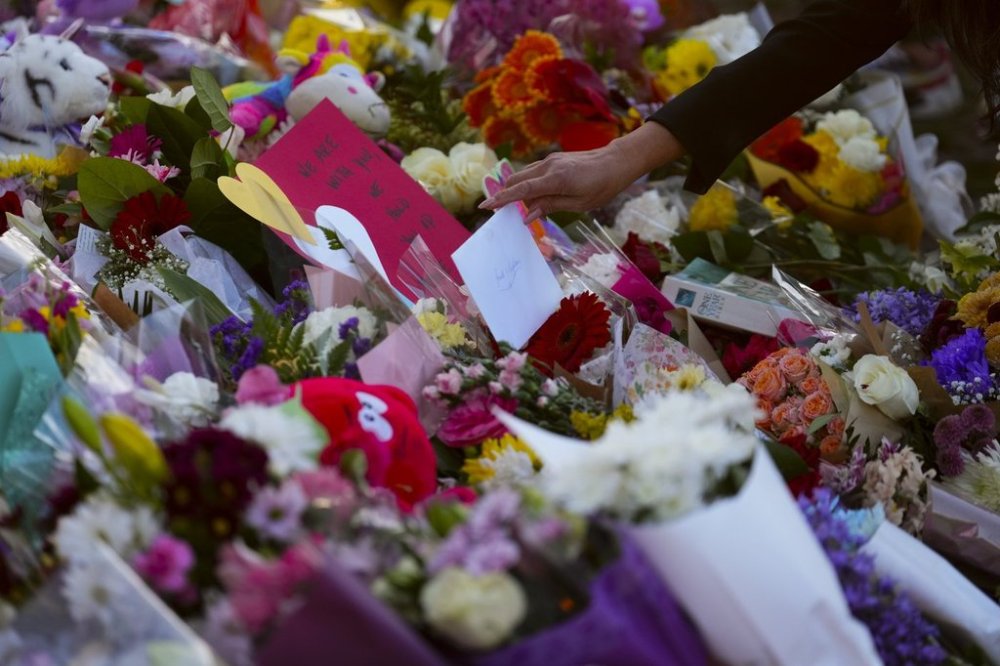
A card is placed at a memorial for the Lapu Lapu Day block party tragedy in Vancouver, B.C., on Sunday, April 27, 2025. Shock and grief rippled through Canada's Filipino community on Sunday as members struggled to come to grips with an attack at a cultural street festival in Vancouver on Saturday that killed 11 people and injured dozens more. THE CANADIAN PRESS/Sean Kilpatrick

Such an attack, along with environmental disasters, suicide clusters and mass shootings, can trigger collective trauma, University of British Columbia sociology professor Seth Abrutyn said.

Collective trauma is the “sudden, acute destruction of social infrastructure,” including social bonds and community relationships, he explained.

The concept, Abrutyn said, was identified by a sociologist more than half a century ago, who was studying the impacts of a flood that ravaged a town in the 1970s. 

Abrutyn said research has shown the impacts of such an event can spread beyond those who were injured or were witnesses to the larger cultural community, some of whom may live across the country or world. 

“Vicarious trauma can spread, and even more so with social media because we’re exposed to so much of it,” Abrutyn said. 

But the processing of grief can also be a collective experience, and Arbutyn said communities can do this by honouring and remembering those who died, either by acknowledging them at future culture events or by creating respectful shrines or memorials. 

Flowers began piling up on Sunday morning around the police perimeter at the attack scene in South Vancouver, and vigils have also been held to support the local Filipino community.

B.C.’s Health Ministry said in a statement Wednesday that “immediate supports” have been made available for those impacted by the tragedy as it works to better understand what resources are needed. That includes providing mental health helplines, support for health workers, and offering a condolence book for residents to sign, it said.

“This was a traumatic event for everyone involved and we encourage anyone who needs support to reach out for help,” the ministry said. “The response to this traumatic event is on-going, and we will continue to provide updates to people as we move forward.”

Fundraising campaigns have been set up to help the families of those killed and the Philippine Consulate General in Vancouver began offering support through a national hotline.

Abrutyn said collective trauma may lead to anxiety or post-traumatic stress disorder and worries about another imminent threat, no matter how unlikely.

If unaddressed, grief may have more devastating consequences, Mohan said.

“When people do not have the support that they need around a death, it can turn inward and become a much more serious mental health problem than it ever needs to be,” she said. 

That, she said, could include depression, suicide or substance misuse. It can also cause physical ailments or exacerbate chronic illnesses or pain, she added.

Leigh McCarley Blaney, a professor at Vancouver Island University and a member of the Centre for Trauma and Mental Health Research, highlighted the need for community support, emotional expression and maintaining cultural practices in recovery of communal tragedies. 

“Resilience doesn’t mean not feeling or not reacting, but it’s really about finding pathways through these terrible events,” she said.

That could be through support groups, faith groups, sports, activities or volunteering, she said. Open communication is essential, she added.

“It’s important to acknowledge the grief and trauma and horror from this event, and to remember that there may be some pathways through this over the next while that will help people not come to terms with, not get over, but to find a new reality and a new normal.”

Mohan said cases like the Lapu Lapu attack emphasize a need for plans to address long-term impacts of grief and trauma.

“We need to support people in the aftermath of these tragedies,” she said. 

“We need governments to respond and to create national and provincial bereavement strategies so that when these tragedies happen, resources are in place and people don’t have to go scrambling around to look for them, and (to ensure) resources are in place beyond that immediate week or two weeks around the event.”

This report by The Canadian Press was first published April 30, 2025. 

Note to readers:This is a corrected story. A previous version incorrectly named Leigh McCarley Blaney.

Report Error Submit a Tip

More Stories

Wasteful operations should be held accountable

Barry E. Prentice 5 minute read Preview

Wasteful operations should be held accountable

Barry E. Prentice 5 minute read 2:00 AM CDT

Rising water bills are a top-of-mind issue for residents of Winnipeg going into the fall election. Management of the water and waste system is under question, with citizen’s groups, as well as the Free Press, calling for proper oversight of rates (Time for the PUB to review Winnipeg water rates, Editorial, Sept. 26).

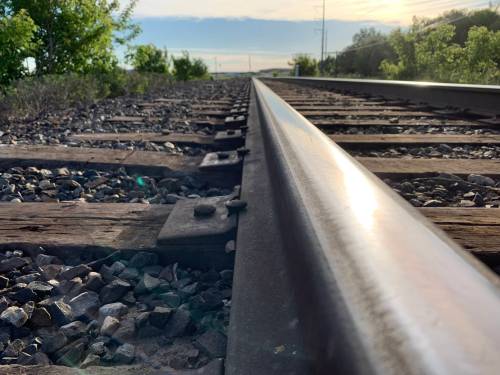
The need to increase rates to build the North End sewage plant is understandable. Siphoning off utility proceeds to make up other tax revenue shortfalls is another matter. But it is not the only questionable practice. If there was Public Utilities Board oversight of Winnipeg’s water and sewer rates, it would certainly be asking why the city is spending more than $3 million annually to operate the 164-kilometre-long, Greater Winnipeg Water District railway (GWWD) on ratepayers’ behalf.

The GWWD has come to the attention of the Railway Relocation Study, led by Lloyd Axworthy. All existing rail lines within the city are under review, as is the feasibility of a new railway bypass.

The GWWD is an example of a railway that has outlived its usefulness and sits on a pocket of land close to downtown that could be converted to higher-value uses.

Read
2:00 AM CDT

Keeping the lights on

Hal Turner 4 minute read 2:00 AM CDT

Manitobans are hardy.

We live, work and play in one of the harshest winter climates in the world.

We’re used to the cold and the dark. We’re also used to escaping it by turning on the lights and the heat.

Manitoba Hydro’s responsibility is to make sure that works, no matter what and no matter when.

Brandonmeat packer thriving on its own

Abiola Odutola 3 minute read Preview

Brandonmeat packer thriving on its own

Abiola Odutola 3 minute read Saturday, Oct. 3, 2026

BRANDON — Canada Packers has strengthened its business and laid the foundation for future growth during its first year as an independent company, its president says.

The Brandon-based pork producer, separated from Maple Leaf Foods in October 2025, established its own leadership, strategy, systems, culture and identity while continuing operations across its hog production farms and regional hog barns in southern and eastern Manitoba.

The company’s first year was focused on building a successful standalone business while continuing to serve customers, communities and shareholders, president Dennis Organ said.

“Market conditions over the past year have been more challenging than we anticipated when we became a separate entity,” he said in an email. “Despite that, we continued to execute against our priorities, including increasing processing volumes, maintaining disciplined operations and strengthening the business.”

Read
Saturday, Oct. 3, 2026

Morning-show veteran swaps microphone for macchiatos at new Corydon café

David Sanderson 9 minute read Preview

Morning-show veteran swaps microphone for macchiatos at new Corydon café

David Sanderson 9 minute read Saturday, Oct. 3, 2026

Good news if you were used to having your morning coffee with Terri Gale, who earlier this summer signed off from CTV Your Morning, after 15 years on the job.

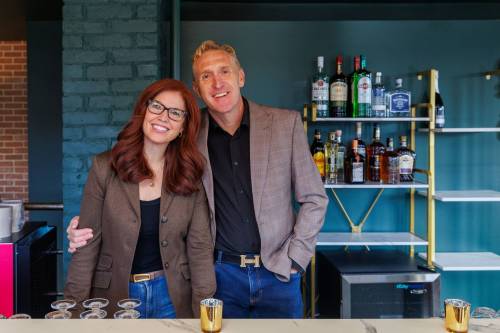
Gale, the three-hour program’s longtime weather expert, and her husband Rob Gale, the ex-head soccer coach of Valour FC and co-founder of the Northern Super League’s new Winnipeg franchise, are the owners of Golden Hour Café and Bar at 775 Corydon Ave.

Gale (formerly Apostle) nods when she is asked who would know more about caffeinated beverages than a person who, for the last decade and a half, set her alarm to go off in the wee small hours.

“I do love coffee and take mine black. Except because I hate burning my tongue — not a good thing when you speak for a living — I got into the habit of throwing a couple of ice cubes in my cup, to be on the safe side,” Gale says, seated on the second level of their attractive, 2,100-square-foot premises, which officially opened in mid-September.

Read
Saturday, Oct. 3, 2026

Jets get first win of new NHL season

1 minute read Updated: Yesterday at 6:25 PM CDT

DETROIT - The Winnipeg Jets have their first victory of the new NHL season.

Stuart Skinner made 33 saves and the visitors struck three times on the power play to skate away with a 3-2 triumph over the Detroit Red Wings on Sunday afternoon.

Kyle Connor led the way with two goals and an assist, while Cole Perfetti had the other tally along with two helpers. Jets defenceman Josh Morrissey chipped in with two assists.

Tyrel Bauer also scored a decisive victory in a fight with Red Wings forward (and Winnipeg native) Keegan Kolesar.

The election of our discontent: City at a crumbling crossroads, grumbling residents say in poll

Matthew Frank 7 minute read Preview

The election of our discontent: City at a crumbling crossroads, grumbling residents say in poll

Matthew Frank 7 minute read Yesterday at 2:37 PM CDT

There’s an undercurrent of unhappiness running through the Winnipeg electorate as the municipal election day approaches.

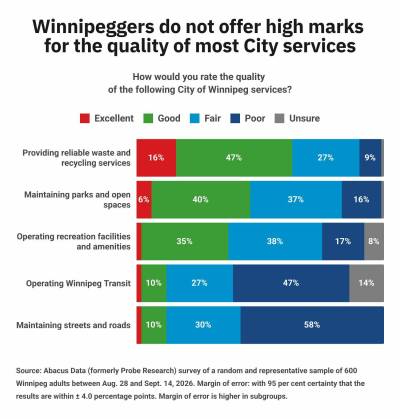
One-half of Winnipeggers believe the city is heading in the wrong direction, according to a new Abacus Data poll, with nearly one-third unsure if Winnipeg is regressing or progressing.

Only 21 per cent of residents believe the city is on the right track, the Free Press-commissioned poll found.

That discontentment extends to how the city spends its tax dollars, with four in 10 Winnipeggers believing they receive poor value for what they pay in property taxes.

Read
Yesterday at 2:37 PM CDT