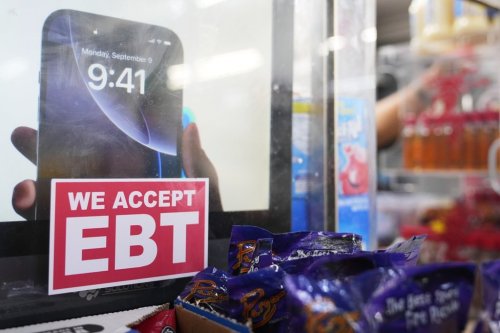
What to know about expanded work requirements about to kick in for SNAP
Advertisement
Read this article for free:
or
Already have an account? Log in here »
To continue reading, please subscribe:

Digital Subscription
One year of digital access for only $205*
- Enjoy unlimited reading on winnipegfreepress.com
- Read the E-Edition, our digital replica newspaper
- Access News Break, our award-winning app
- Play interactive puzzles
*First annual payment billed as $205.00 + GST for one year. This annual subscription will automatically renew at $233.00 + GST every 52 weeks (10% off the regular annual price of $259.35). Offer available to new and qualified returning subscribers only. Cancel any time.
To continue reading, please subscribe:
Add Free Press access to your Brandon Sun subscription for only an additional
$1 for the first 4 weeks*
- Enjoy unlimited reading on winnipegfreepress.com
- Read the E-Edition, our digital replica newspaper
- Access News Break, our award-winning app
- Play interactive puzzles
*Your next Brandon Sun subscription payment will increase by $1.00 and you will be charged $17.95 plus GST for four weeks. After four weeks, your payment will increase to $24.95 plus GST every four weeks.
Read unlimited articles for free today:
or
Already have an account? Log in here »
Hey there, time traveller!
This article was published 18/11/2025 (310 days ago), so information in it may no longer be current.
After a disruptive U.S. government shutdown, federal SNAP food assistance is again flowing to low-income households. But in the months ahead, many participants will have to abide by new work requirements.
The Supplemental Nutrition Assistance Program provides monthly benefits — averaging around $190 per person — to about 42 million people nationwide. During the first couple weeks of November, many of those recipients missed their regular allotments as President Donald Trump’s administration battled in court over whether to tap into reserves to fund the program while the government was shut down.
Here’s what to know about SNAP:
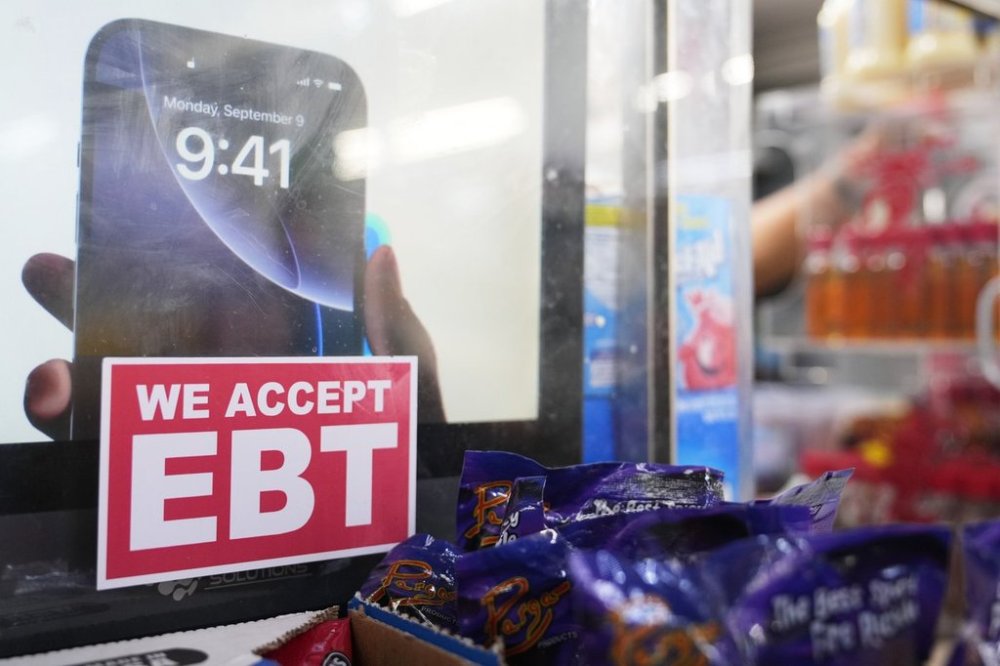
The benefits are available across the country after lapses
For the first part of the month, the situation was chaotic after the federal government said SNAP would not be funded because of the government shutdown.
Some states replenished the electronic benefit cards used in the program either fully or partially, using their own funds or federal dollars that were part of court orders. Others didn’t.
Most states boosted food charities, but lines were long and some shelves were empty.
As soon as the government reopened on Nov. 12, many states rushed to get out benefits.
By Tuesday, all states either had loaded full November benefits onto people’s electronic spending cards or were working on it, according to an Associated Press review. Participants should receive December SNAP benefits according to their normal schedule.
More SNAP recipients will face work requirements
A massive tax and spending bill signed into law in July by Trump expanded requirements for many adult SNAP recipients to work, volunteer or participate in job training for at least 80 hours a month. Those who don’t are limited to three months of benefits in a three-year period.
The work requirements previously applied to adults ages 18 through 54 who are physically and mentally able and don’t have dependents. The new law also applies those requirements to those ages 55 through 64 and to parents without children younger than 14. It repeals work exemptions for homeless individuals, veterans and young adults aging out of foster care. And it limits the ability of states to waive work requirements in areas lacking jobs.
The Trump administration waived the work requirements in November, but the three-month clock on work-free SNAP benefits will be in full force for much of the country in December. Under a Nov. 1 court order, the count will not yet begin in places with existing waivers in place due to relatively high local unemployment rates. Those waivers extending past this month cover all or parts of 10 states, the District of Columbia and the U.S. Virgin Islands, and are set to expire between the end of 2025 and January 2027, depending on the place.
The new requirements are expected to reduce the average monthly number of SNAP recipients by about 2.4 million people over the next 10 years, according to the Congressional Budget Office.
Agriculture secretary casts doubt about SNAP
In the aftermath of the shutdown, Agriculture Secretary Brooke Rollins, whose department administers SNAP, has cast doubt on the program. Rollins has said it is rife with fraud, including deceased people receiving benefits and some people receiving multiple benefits.
Rollins suggested that everyone who receives SNAP be required to reapply. But it’s not clear whether Rollins was suggesting an additional requirement or referring to the current one that mandates people to periodically recertify their income and other information.
An Agriculture Department spokesperson didn’t clarify but instead said in a statement that the standard recertification processes for households is part of a plan to eliminate fraud, abuse and waste.
Under federal law, most households must report their income and basic information every four to six months and be fully recertified for SNAP at least every 12 months. Full recertification can occur every 24 months for households where all adults are age 60 and above or have disabilities.
But states can require more frequent eligibility verifications. Last year, 27 states required at least some households to be fully recertified every four to six months, depending on their household circumstances, according to a USDA report.
___
This story was first published on Nov. 19, 2025. It was updated on Nov. 21, 2025, to correct that the three-month clock on work-free SNAP benefits will be in full force for much of the country in December, but not all of the country.