Some Kashechewan First Nation residents test positive for parasite amid evacuation
Advertisement
Read this article for free:
or
Already have an account? Log in here »
To continue reading, please subscribe:

Digital Subscription
One year of digital access for only $205*
- Enjoy unlimited reading on winnipegfreepress.com
- Read the E-Edition, our digital replica newspaper
- Access News Break, our award-winning app
- Play interactive puzzles
*First annual payment billed as $205.00 + GST for one year. This annual subscription will automatically renew at $233.00 + GST every 52 weeks (10% off the regular annual price of $259.35). Offer available to new and qualified returning subscribers only. Cancel any time.
To continue reading, please subscribe:
Add Free Press access to your Brandon Sun subscription for only an additional
$1 for the first 4 weeks*
- Enjoy unlimited reading on winnipegfreepress.com
- Read the E-Edition, our digital replica newspaper
- Access News Break, our award-winning app
- Play interactive puzzles
*Your next Brandon Sun subscription payment will increase by $1.00 and you will be charged $17.95 plus GST for four weeks. After four weeks, your payment will increase to $24.95 plus GST every four weeks.
Read unlimited articles for free today:
or
Already have an account? Log in here »
Hey there, time traveller!
This article was published 22/01/2026 (265 days ago), so information in it may no longer be current.
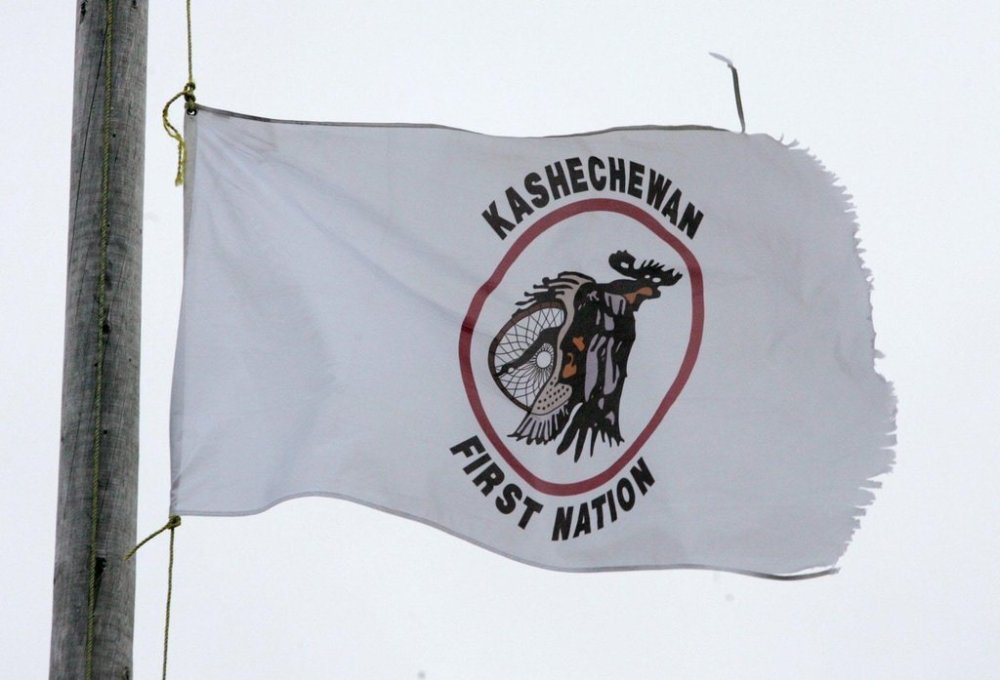
At least 28 people from a northern Ontario First Nation that was largely evacuated after the failure of its water system have tested positive for a parasite that causes gastrointestinal illness, community officials said.
Testing showed that 28 people from Kashechewan First Nation have cryptosporidium and two of them also have another parasite called dientamoeba fragilis, the community’s executive director Tyson Wesley said.
An additional person tested positive only for dientamoeba fragilis.
The exact cause of the infections is under investigation but both parasites have been linked to contaminated water and food, among other sources.
About 400 people remain in their homes in the 2,200-member community after failures of local water supply and sewage systems forced hundreds to evacuate.
Officials at the fly-in community on the western shore of James Bay declared a state of emergency on Jan. 4 after infrastructure damage created an urgent public health and safety issue, with sewage creeping into people’s homes and contaminating fresh water systems.
Indigenous Services Canada said repairs to the community’s water treatment plant have been completed and it is operational, but residents are still advised not to consume the water while more testing is done.
The department said cryptosporidium causes gastrointestinal symptoms and most cases resolve on their own over a couple of weeks without medication, although some people may need antimicrobial treatment.
It said the parasite is transmittable and health officials are investigating its cause in Kashechewan.
“Sources for the cryptosporidium parasite vary widely and can be found in the environment such as soil, lake water, and animal feces,” department spokesperson Eric Head said in an emailed statement.
“People can become infected when they ingest water or food that has been contaminated with infected feces, or through direct contact with someone who is sick when hand hygiene is suboptimal.”
He said rest and fluid replacement to prevent dehydration are usually enough to treat the infection.
“Most cases resolve on their own over a couple of weeks without the need for medication,” Head wrote.
“However, antimicrobial treatment may be needed for immunocompromised individuals, young infants, and elders with severe symptoms in consultation with (an) infectious disease specialist.”

Head said public health officials are taking the illnesses very seriously, and Indigenous Services Canada and public health officials in Ontario are working closely with Kashechewan leadership to address the situation.
Two federal public health professionals are in the community this week, in addition to the existing health care provided by nursing staff and a physician from the Weeneebayko Area Health Authority, he added.
The Ontario government has said that all residents who requested evacuation have departed Kashechewan as of Sunday.
Niagara Falls, Ont., is hosting more than 800 people from Kashechewan in two hotels, while others have been evacuated to Timmins, Kapuskasing and Kingston.
This report by The Canadian Press was first published Jan. 22, 2026.