Nebraska is becoming the first state to implement a Medicaid work requirement signed by Trump
Advertisement
Read this article for free:
or
Already have an account? Log in here »
To continue reading, please subscribe:

Digital Subscription
One year of digital access for only $205*
- Enjoy unlimited reading on winnipegfreepress.com
- Read the E-Edition, our digital replica newspaper
- Access News Break, our award-winning app
- Play interactive puzzles
*First annual payment billed as $205.00 + GST for one year. This annual subscription will automatically renew at $233.00 + GST every 52 weeks (10% off the regular annual price of $259.35). Offer available to new and qualified returning subscribers only. Cancel any time.
To continue reading, please subscribe:
Add Free Press access to your Brandon Sun subscription for only an additional
$1 for the first 4 weeks*
- Enjoy unlimited reading on winnipegfreepress.com
- Read the E-Edition, our digital replica newspaper
- Access News Break, our award-winning app
- Play interactive puzzles
*Your next Brandon Sun subscription payment will increase by $1.00 and you will be charged $17.95 plus GST for four weeks. After four weeks, your payment will increase to $24.95 plus GST every four weeks.
Read unlimited articles for free today:
or
Already have an account? Log in here »
OMAHA, Neb. (AP) — Nebraska on Friday will become the first state to enforce work, volunteer or education requirements for new Medicaid applicants, eight months before the federally mandated requirements kick in.
Advocates worry that the state is launching so rapidly that key details remain unresolved and some people who are eligible for coverage will lose it.
State officials say they’re prepared, training staff and sending letters, emails and texts to people who could be impacted.
Health policy experts, advocates and other states will be watching closely.
“It can be used as a lesson for other states, both where things go well and where things don’t go well,” said Jennifer Tolbert, deputy director of KFF’s Program on Medicaid and the Uninsured.
The law is expected to leave some without insurance
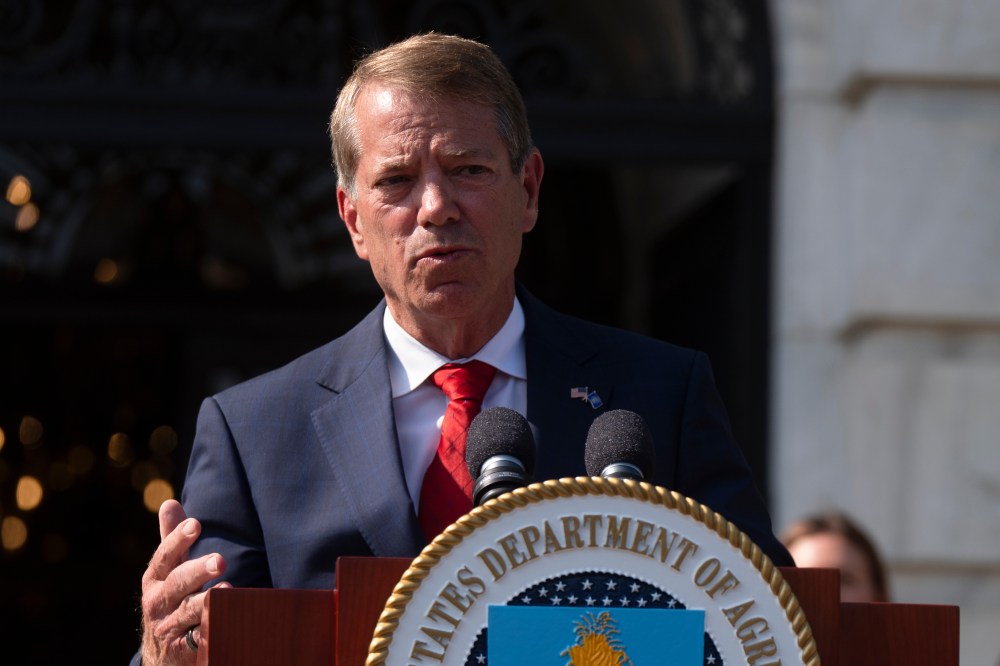
The work requirement is part of a broad tax and policy law that President Donald Trump signed last year. Nebraska Republican Gov. Nebraska Gov. Jim Pillen announced in December that the state would implement it eight months before it was required, saying the aim was “making sure we get every able-bodied Nebraskan to be a part of our community.”
The state had one of the lowest unemployment rates in the U.S. in February: 3.1%
The federal policy won’t apply to all Medicaid beneficiaries, just those who are enrolled under an expansion that most states chose to make to allow more low-income people to get healthcare coverage.
Under the change, many Medicaid participants ages 19 through 64 will have to show that they work or do community service at least 80 hours a month, or are enrolled in school at least half-time. They’ll also have their eligibility reviewed every six months rather than annually, so they could lose coverage faster if their circumstances change.
Exceptions will be made for people who are too medically frail to work or in addiction treatment programs, among others.
An Urban Institute report from March estimated that the changes would mean about 5 million to 10 million people fewer people nationally would be enrolled in Medicaid than would have been otherwise.
Choices states make about how to run their programs are expected to be a major factor in exactly how many people lose coverage.
“The higher the administrative burden, the more likely people are found noncompliant and disenrolled,” said Michael Karpman, who researches health policy at Urban.
Nebraska plans to use data to help determine who qualifies
Not everyone who has coverage will need to submit proof that they’re working.
The state says it will first match enrollees with other data it has to see if participants are working or exempt. The state says it has that information for most of the roughly 70,000 people enrolled in Medicaid through the expansion.
That leaves between 20,000 and 28,000 who would have to provide more information, plus an average of 3,000 to 4,000 new enrollees each month.
At first, they will just need to show that they met the requirements in just one month of the previous 12. The time frame will shift to six months in 2027.
There’s some flexibility. For instance, instead of showing they work 80 hours in a month, someone could instead provide records that demonstrate they earned at least $580, the amount someone earning minimum wage would make in 80 hours.
People who don’t submit requested information within 30 days of being asked could have their applications denied or lose coverage they already have.
The change is causing worry and confusion
Bridgette Annable, who lives in southwest Nebraska, received a letter saying she must meet the work requirements or lose the benefits that pay for her insulin and diabetic supplies.
The 21-year-old mother now has a part-time job, despite being advised against it to protect her mental health. She’s worried about her ability to keep working.
“I am working 30 to 25 hours a week — as much as my employer can provide,” Annable said. “Although I call out of work often due to fibromyalgia pain and bipolar episodes that leave me too tired to leave the house. I have enough energy to take care of my daughter and do some cleaning, but that’s about it.”
Amy Behnke, the CEO of the Health Center Association of Nebraska, said that staff members who help people enroll with Medicaid and their clients have a lot of questions, including some that the state hasn’t yet answered.
Some examples: Apprenticeship programs are supposed to count for work requirements, but does that apply only to those certified by the state’s labor department? There’s an exemption for people who travel to a hospital for care, but there’s not clarity on how far the journey must be.

KFF’s Tolbert noted that the state issued its 295-page list last week of conditions that could qualify someone as medically frail. “We don’t know if it’s a comprehensive list,” she said.
“The speed at which we are choosing to implement work requirements hasn’t left a lot of space for really meaningful communication,” Behnke said.
And Nebraska could have to make changes after the federal government provides guidance that is expected in June.
___
Mulvihill reported from Haddonfield, New Jersey.