Congo authorities report more than 6,000 confirmed Ebola cases and nearly 3,000 deaths
Advertisement
Read this article for free:
or
Already have an account? Log in here »
To continue reading, please subscribe:

Digital Subscription
One year of digital access for only $205*
- Enjoy unlimited reading on winnipegfreepress.com
- Read the E-Edition, our digital replica newspaper
- Access News Break, our award-winning app
- Play interactive puzzles
*First annual payment billed as $205.00 + GST for one year. This annual subscription will automatically renew at $233.00 + GST every 52 weeks (10% off the regular annual price of $259.35). Offer available to new and qualified returning subscribers only. Cancel any time.
To continue reading, please subscribe:
Add Free Press access to your Brandon Sun subscription for only an additional
$1 for the first 4 weeks*
- Enjoy unlimited reading on winnipegfreepress.com
- Read the E-Edition, our digital replica newspaper
- Access News Break, our award-winning app
- Play interactive puzzles
*Your next Brandon Sun subscription payment will increase by $1.00 and you will be charged $17.95 plus GST for four weeks. After four weeks, your payment will increase to $24.95 plus GST every four weeks.
Read unlimited articles for free today:
or
Already have an account? Log in here »
BUNIA, Congo (AP) — Congo’s authorities said Monday that the fastest-growing Ebola outbreak in history has topped 6,000 cases with 2,911 deaths.
More than 1,360 people have recovered from the virus, in what authorities said was an “encouraging” development.
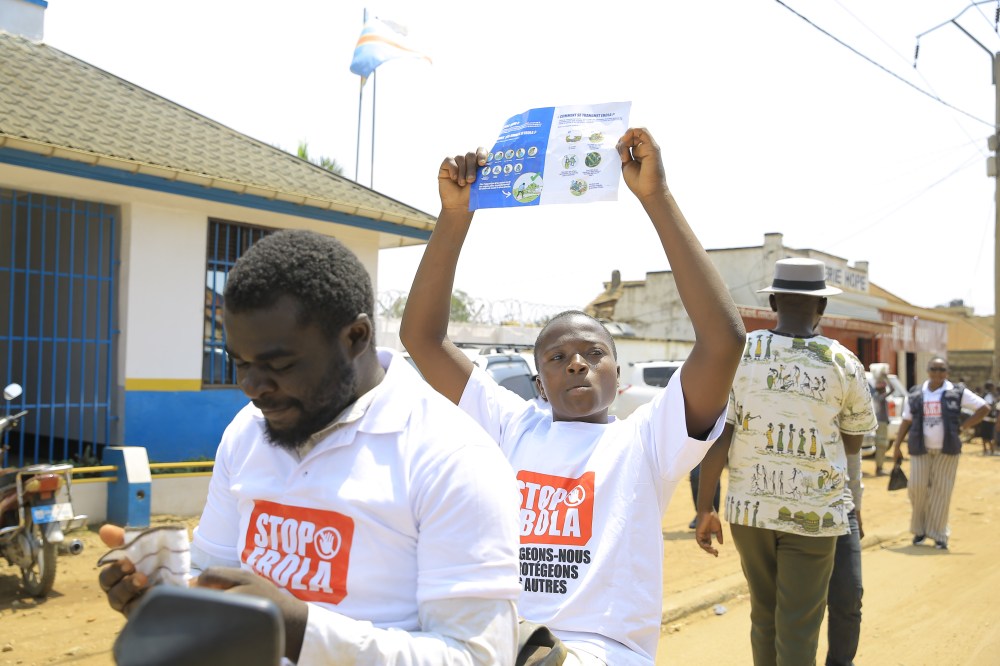
The outbreak in eastern Congo is spreading under extremely difficult conditions, fueled by insecurity, displacement, a health workers’ strike and intense population movements. The situation is particularly concerning at displacement sites, where residents already live in extremely precarious conditions.
Last week, the virus spilled into two new health zones in the region.
The World Health Organization has said that it remains out of control and is on track to surpass the 2014-2016 West Africa Ebola outbreak, the deadliest on record, which killed more than 11,000 people, primarily in Guinea, Liberia and Sierra Leone.
On Saturday, an Ebola response team was attacked on the outskirts of the town of Mambasa in Ituri province while responding to a call to secure a body. Young people armed with machetes stormed the site of the funeral, forcing the team to flee and injuring one member, a representative told The Associated Press.
“We demand greater security so we can operate in the field and do our work without endangering our lives,” said Floribert Magene, a member of the response team.
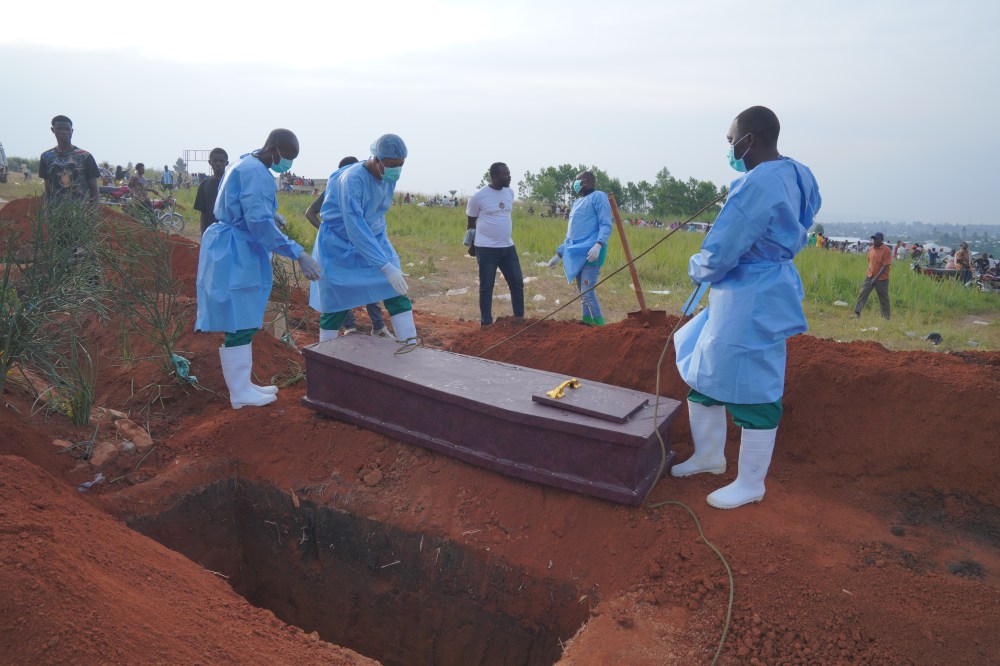
Bodies of those who died of Ebola can be highly contagious and lead to further spread when people prepare them for burial and gather for funerals.
In response to the outbreak, Congolese authorities have mandated that the dangerous work of burying suspected victims be managed wherever possible by authorities, which can be met by protests from families and friends.
The outbreak is caused by the Bundibugyo virus, a rare type of Ebola that has no approved vaccine or treatment.
Last week, Congo began vaccinating health and other front-line workers with the Ervebo vaccine that was effective in past Ebola outbreaks caused by a different, more common type called Zaire.

Clinical trials are underway to find a licensed vaccine for the Bundibugyo virus.
Although the current outbreak was declared in mid-May, officials believe it had been spreading since February. It has spread from three health zones to nearly 60, with most cases and deaths occurring outside the network of monitored contacts and within communities.
Efforts to bring the outbreak under control — from limited public gatherings to social distancing and airport closures — have disrupted life in the six provinces, particularly Ituri, which also has been ravaged by rebel violence.
The government has introduced some measures, including installing health and sanitary equipment at some locations, but advocacy groups say more needs to be done to build trust with the community.
While neighboring Uganda declared itself free of Ebola last month, the risk of further cross-border spread remains, WHO said last week.