Schools reopen in Congo’s Ebola epicenter despite concerns from parents and teachers
Advertisement
Read this article for free:
or
Already have an account? Log in here »
To continue reading, please subscribe:

Digital Subscription
One year of digital access for only $205*
- Enjoy unlimited reading on winnipegfreepress.com
- Read the E-Edition, our digital replica newspaper
- Access News Break, our award-winning app
- Play interactive puzzles
*First annual payment billed as $205.00 + GST for one year. This annual subscription will automatically renew at $233.00 + GST every 52 weeks (10% off the regular annual price of $259.35). Offer available to new and qualified returning subscribers only. Cancel any time.
To continue reading, please subscribe:
Add Free Press access to your Brandon Sun subscription for only an additional
$1 for the first 4 weeks*
- Enjoy unlimited reading on winnipegfreepress.com
- Read the E-Edition, our digital replica newspaper
- Access News Break, our award-winning app
- Play interactive puzzles
*Your next Brandon Sun subscription payment will increase by $1.00 and you will be charged $17.95 plus GST for four weeks. After four weeks, your payment will increase to $24.95 plus GST every four weeks.
Read unlimited articles for free today:
or
Already have an account? Log in here »
BUNIA, Congo (AP) — A new academic year began Tuesday across Congo despite concerns by parents and teachers that the ongoing Ebola outbreak poses risks to children in the epicenter.
The resumption of classes comes in the middle of the fastest-growing outbreak of the disease ever, with 2,950 people killed among the 6,100 cases confirmed so far since mid-May.
The union representing teachers in Ituri province, the epicenter of the outbreak, had called for a delay in restarting classes, but the government pressed ahead. UNICEF said it is supporting the authorities to prevent transmissions in schools.
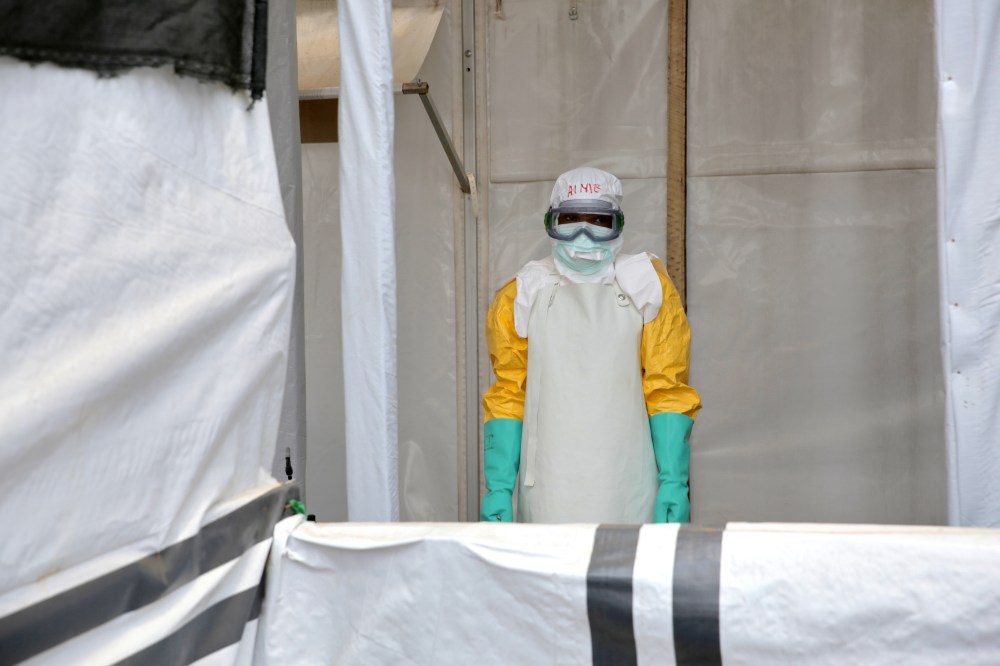
Some schools in Ituri, especially those owned by the government, recorded low turnouts. Authorities in Ituri did not respond to a request for comment on measures to ensure a lack of transmission in classrooms.
Aimerance Vahweka, a parent in the Bunia, the capital of Ituri, said the school restart came as a surprise and she is keeping her child at home for now.
“I do not really see an increase in prevention measures,” she said.
Other education officials said they are equipping schools with noncontact infrared thermometers, hand sanitizers and hand-washing basins.
“We also raise student awareness about adhering to hygiene protocols, particularly regular handwashing and the use of hand sanitizer,” said Etienne Ndjabu, a teacher in a Bunia private school.
Experts say major challenges still remain, as many schools lack access to clean water and funding remains below target.
“There are also significant logistical challenges, particularly in remote areas, where the delivery of equipment and learning materials may be delayed,” said Greg Ramm, director for Save the Children in Congo.
Children aged 4 and below have the highest case-fatality rate of any age group in the outbreak at 60%, according to available health data.
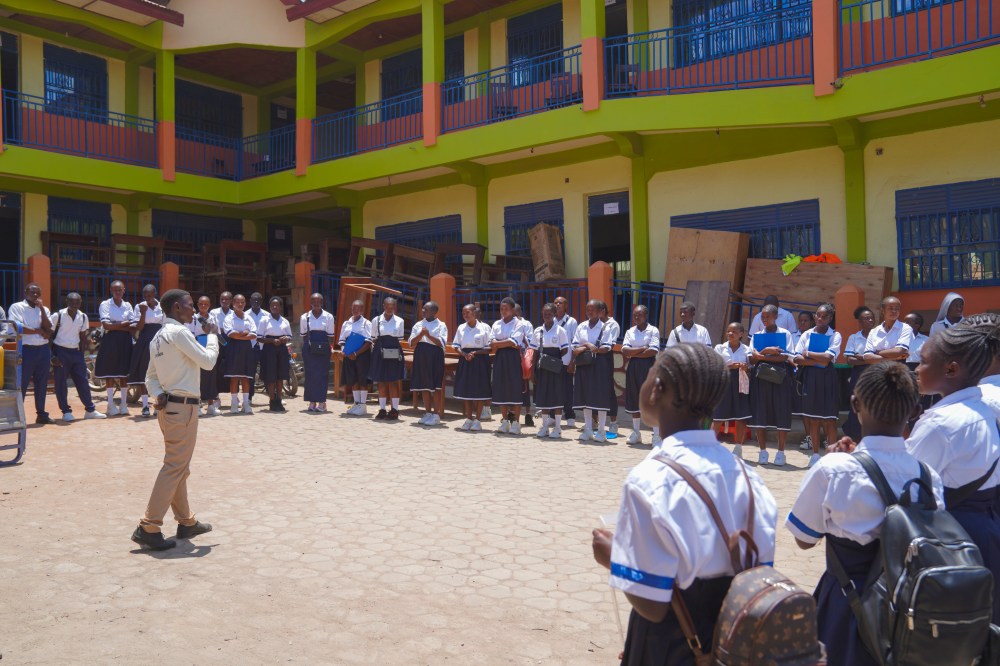

“The priority is both to protect the health of students, teachers, and communities, and to preserve, as much as possible, children’s right to learn,” Dounia Dekhili, UNICEF Emergency coordinator in DRC, said.
The latest outbreak, which is caused by the rare Bundibugyo virus, has spread to more than 60 health zones. Authorities believe it had been spreading undetected among communities since at least February. The World Health Organization said the outbreak is on track to beat the West Africa’s regional outbreak between 2014 and 2016.
Health workers in affected provinces have gone on several strikes to protest delays in payments, which has affected the response to the deadly outbreak.
Efforts to contain the disease have been hampered by a lack of an approved vaccine or treatment. Congolese authorities had started distributing thousands of Ervebo vaccine, which the WHO said might provide some protection.
Conflict between the government and rebel groups in the eastern region, attacks on health workers and an intense population movement also have worsened the outbreak.