Experts: Arizona executioners took too long to insert IV

Advertisement

Advertise with us

PHOENIX (AP) — The first execution in Arizona in nearly eight years was carried out more smoothly than the state’s last use of the death penalty, when a condemned prisoner who was given 15 doses of a two-drug combination gasped for air hundreds of times over nearly two hours.

Read this article for free:

or

Already have an account? Log in here »

To continue reading, please subscribe:

Subscribe and receive a limited-edition Free Press branded hat or tote.

Digital Subscription

One year of digital access for only $205*

  • Enjoy unlimited reading on winnipegfreepress.com
  • Read the E-Edition, our digital replica newspaper
  • Access News Break, our award-winning app
  • Play interactive puzzles

*First annual payment billed as $205.00 + GST for one year. This annual subscription will automatically renew at $233.00 + GST every 52 weeks (10% off the regular annual price of $259.35). Offer available to new and qualified returning subscribers only. Cancel any time.

To continue reading, please subscribe:

Add Free Press access to your Brandon Sun subscription for only an additional

$1 for the first 4 weeks*

  • Enjoy unlimited reading on winnipegfreepress.com
  • Read the E-Edition, our digital replica newspaper
  • Access News Break, our award-winning app
  • Play interactive puzzles
Start now

*Your next Brandon Sun subscription payment will increase by $1.00 and you will be charged $17.95 plus GST for four weeks. After four weeks, your payment will increase to $24.95 plus GST every four weeks.

Hey there, time traveller!
This article was published 12/05/2022 (1546 days ago), so information in it may no longer be current.

PHOENIX (AP) — The first execution in Arizona in nearly eight years was carried out more smoothly than the state’s last use of the death penalty, when a condemned prisoner who was given 15 doses of a two-drug combination gasped for air hundreds of times over nearly two hours.

The lethal-injection death of Clarence Dixon on Wednesday at the state prison in Florence for his murder conviction in the 1978 killing of 21-year-old Arizona State University student Deana Bowdoin appeared to follow the state’s execution protocol: After the drug was injected, Dixon’s mouth stayed open and his body did not move. He was declared dead about 10 minutes later.

But death penalty experts Thursday that said the estimated 25 minutes it took medical staff to insert an IV into Dixon’s body was too long. The workers first tried and failed to insert an IV into his left arm before they were able to connect it in his right arm. They then opted to access a vein in his groin area for another IV line.
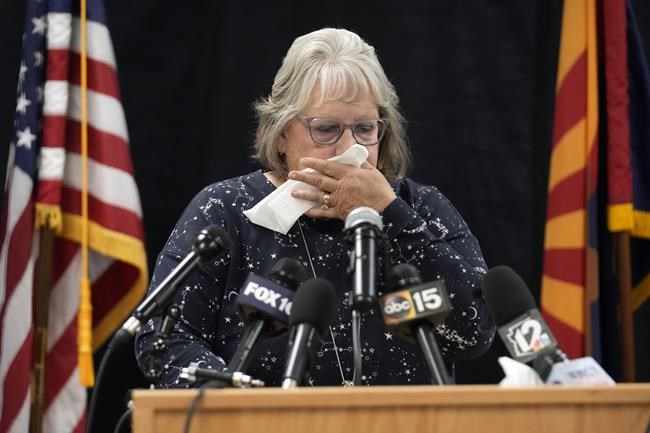
Leslie Bowdoin James, sister of Deana Lynne Bowdoin talks to the media on Wednesday, May 11, 2022, in Florence, Ariz. Inmate Clarence Dixon was put to death by lethal injection earlier Wednesday inside the state prison for his murder conviction in the killing of 21-year-old Arizona State University student Deana Bowdoin in 1978. Dixon was the first person to be executed in the state after a nearly eight-year hiatus in its use of the death penalty. (AP Photo/Rick Scuteri)

Deborah Denno, a Fordham Law School professor who has studied executions for more 25 years, said executions should take seven to 10 minutes from the beginning of the IV insertion process until the moment the prisoner is declared dead.

“It’s a sign of desperation (on the part of the execution team), and it’s a sign of an unqualified executioner,” Denno said.

Before Dixon was put to death, the last execution in Arizona took place in July 2014, when Joseph Wood was given 15 doses of a two-drug combination over nearly two hours. Wood snorted repeatedly and gasped before he died. The process dragged on for so long that the Arizona Supreme Court convened an emergency hearing during the execution to decide whether to halt the procedure.

Since then, Arizona changed its execution protocols, agreeing to no longer use one of the drugs — midazolam — that was injected into Wood. Instead, Dixon was executed with an injection of pentobarbital.

The problems with Wood’s death, combined with the difficulty the state faced in finding sources to sell it lethal injection drugs, led to the nearly eight-year hiatus in executions in Arizona.

Similar problems have occurred previously with medical workers trying to insert IV lines in condemned prisoners.

Alabama prison officials tried to execute a prisoner by lethal injection in February 2017 but had to stop because medical workers couldn’t find a suitable vein to connect the intravenous line. The prisoner died of cancer almost four years later.
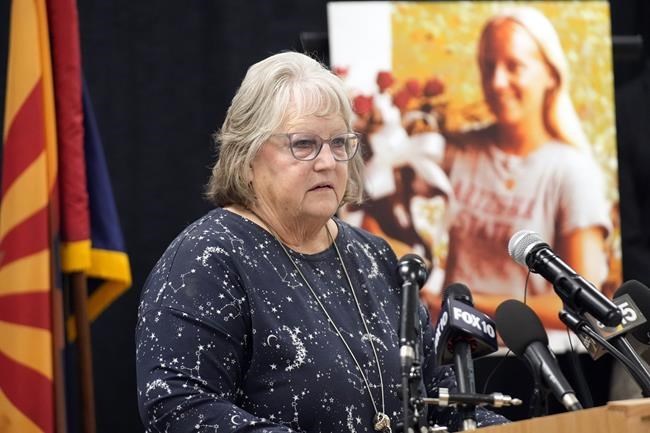
Leslie Bowdoin James, sister of Deana Lynne Bowdoin talks to the media on Wednesday, May 11, 2022, in Florence, Ariz. Inmate Clarence Dixon was put to death by lethal injection earlier Wednesday inside the state prison for his murder conviction in the killing of 21-year-old Arizona State University student Deana Bowdoin in 1978. Dixon was the first person to be executed in the state after a nearly eight-year hiatus in its use of the death penalty. (AP Photo/Rick Scuteri)

A November 2017 execution was called off in Ohio after members of the execution team told the state prisons director they couldn’t find a vein. The prisoner died of natural causes several months later.

And another lethal injection execution in Ohio was called off in September 2009 after two hours when technicians could not find a suitable vein for a condemned prisoner, who had cried in pain while receiving 18 needle sticks. He died in prison in late 2020 of possible complications of COVID-19.

Death penalty experts say the difficulty in finding IV lines could be attributed to a combination of the condemned prisoners’ physical conditions — such as past IV drug use, medical issues related to hydration or the effects of aging — and to untrained people trying to insert IV lines. It’s unknown whether the 66-year-old Dixon was ever an IV drug user.

Michael Radelet, a sociologist at the University of Colorado-Boulder who has researched the death penalty for 40 years, said the lingering element of Dixon’s death leads him to believe the execution was botched.

“I would classify it as a botch, recognizing that not everyone would agree with that. But things did not go right,” Radelet said.

In a statement Thursday, the Arizona Department of Corrections, Rehabilitation and Reentry said Dixon’s execution was carried out “flawlessly” and that it followed the state’s laws and execution protocols.

Rick Romley, who led the county prosecutor’s office in metro Phoenix that filed the murder charge against Dixon but left office before he was sentenced to death in January 2008, said the execution may have been more complicated than planned, but he didn’t consider it flawed. He said difficulty in finding veins to insert IV lines is common for people both inside and outside prison.
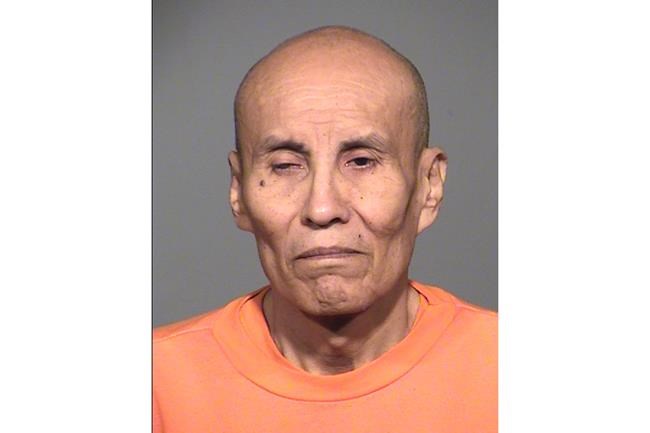
FILE - This undated file photo provided by the Arizona Department of Corrections shows Clarence Dixon. The first execution in Arizona in nearly eight years was carried out more smoothly than the state's last use of the death penalty, when a condemned prisoner who was given 15 doses of a two-drug combination gasped for air hundreds of times over nearly two hours. But death penalty experts say Wednesday's lethal-injection death of Clarence Dixon at the state prison in Florence took too long to carry out, as medical staff spent about 25 minutes to insert an IV. Similar problems have occurred before, leading lethal injection executions to be called off. (Arizona Department of Corrections, Rehabilitation and Reentry via AP, File)

“That doesn’t bother me at all,” Romley said.

Asked whether the difficulties in inserting IVs during executions violate protections against cruel and unusual punishment, Denno said there has been a history of botched executions in the U.S. since the advent of lethal injections.

“It (Dixon’s execution) may be botched, but it’s not going to affect anyone’s Eighth Amendment rights” against cruel and unusual punishment, Denno said. “The courts haven’t been sympathetic to circumstances like this.”

Amanda Bass, one of Dixon’s attorneys, didn’t immediately respond to a request for comment on Thursday.
Report Error Submit a Tip

More Stories

Once hailed as sign of strong bond, U.S. consulate in Winnipeg to close

Tyler Searle 6 minute read Preview

Once hailed as sign of strong bond, U.S. consulate in Winnipeg to close

Tyler Searle 6 minute read Yesterday at 6:21 PM CDT

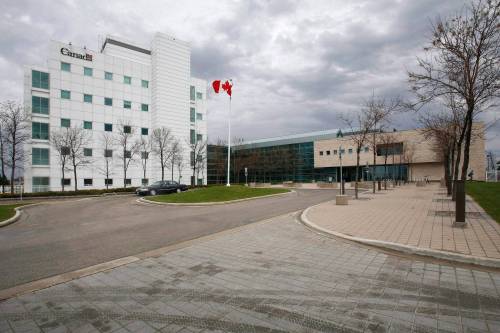
There was much fanfare when the U.S. government re-established a permanent presence in Winnipeg in April 2001 as it unveiled its consulate and hailed it as a major achievement between two friendly nations.

“It is testimony not only to the importance the U.S. government attaches to our bilateral relationship with Canada but also to the increasing prominence of Winnipeg, Manitoba and the western region of the country in bilateral and multilateral affairs,” said U.S. Ambassador to Canada Gordon Giffin at a ceremony with then-premier Gary Doer.

Fast-forward to this week when it was learned the office at Portage and Main is set to close, meaning the U.S. will lose its primary advocate for American business and trade interests in Manitoba.

Dwight MacAulay was chief of protocol for the Manitoba government in 2001, calling it a time of celebration and strength between the countries.

Read
Yesterday at 6:21 PM CDT

Team says Allen recovering from nightclub assault

Joshua Frey-Sam 6 minute read Preview

Team says Allen recovering from nightclub assault

Joshua Frey-Sam 6 minute read Yesterday at 6:03 PM CDT

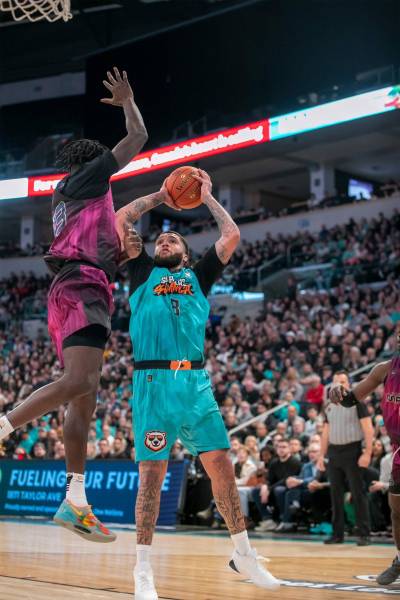
The Winnipeg Sea Bears are preparing for the Canadian Elite Basketball League playoffs without the services of its Most Valuable Player.

The club announced on Tuesday that star guard Teddy Allen has been ruled out for Thursday’s Western Conference semifinal against the Saskatoon Mamba at Canada Life Centre (7:30 p.m.) as he recovers from “significant health injuries” suffered after being assaulted by security staff at a downtown nightclub on Sunday.

“We continue to co-operate with the Winnipeg Police Service on its investigation and have referred them individuals and information based on what has been provided to us from those on the scene,” a statement from the club read.

“What we’ve seen and heard to date leads us to believe that Teddy was the victim of an assault at the hands of security at a downtown nightclub.”

Read
Yesterday at 6:03 PM CDT

Steinbach ER nurses ask for triage help as wait-averse Winnipeg patients strain hospital capacity

Nicole Buffie 5 minute read Preview

Steinbach ER nurses ask for triage help as wait-averse Winnipeg patients strain hospital capacity

Nicole Buffie 5 minute read Yesterday at 6:13 PM CDT

Nurses at Bethesda Regional Health Centre in Steinbach have called on the regional health authority and provincial government to hire an extra triage nurse for the emergency department as increased visits from Winnipeggers stress the rural hospital.

Forty nurses from the hospital’s emergency department signed an open letter stating because of the current staffing ratio, nurses are witnessing “excessive and unacceptable safety risks on a daily basis.”

“(Nurses) constantly fear for the safety of our patients and community,” said the July 28 letter, addressed to Premier Wab Kinew, Health Minister Uzoma Asagwara, Southern Health-Sante Sud interim CEO Dana Human and the health authority’s board chair, Adam Monteith.

It is common for patients at the hospital to wait more than an hour before being seen by a triage nurse after they arrive, and eight hours before their conditions are reassessed, the letter states, adding the emergency department’s sole triage nurse can be responsible for up to 30 patients at a time.

Read
Yesterday at 6:13 PM CDT

Goldeyes pitcher Boyd making most out of his visit to Winnipeg

Taylor Allen 5 minute read Preview

Goldeyes pitcher Boyd making most out of his visit to Winnipeg

Taylor Allen 5 minute read Yesterday at 10:36 PM CDT

Not that long ago it seemed very unlikely that Luke Boyd was going to turn into one of the American Association’s best pitchers.

He began the 2025 campaign with the Cleburne Railroaders but was released two weeks into the year after getting torched for nine runs in less than seven innings of work.

The Baylor University product was unsure if he would have a future in pro ball after that, but then, his old pal Logan Watkins — the manager of the Winnipeg Goldeyes — threw him a lifeline.

Watkins managed Boyd in Cleburne in 2023 before taking the job in Winnipeg.

Read
Yesterday at 10:36 PM CDT

18-year-old woman shot by Winnipeg police officer

1 minute read Monday, Aug. 3, 2026

A police officer shot and injured an 18-year-old woman early Monday morning while investigating a College Avenue shooting.

A north district unit officer was in the area of Aikins Street and College Avenue at 2:27 a.m. Aug. 3 when he heard multiple gunshots nearby, the Winnipeg Police Service stated in a news release Monday.

The officer went to investigate and "was confronted by a woman and a 16-year-old youth." The officer discharged his gun and the young woman was injured, the police service stated. The woman was taken to hospital in unstable condition and was later upgraded to stable.

Police recovered a gun from the suspects and investigators later linked the 18-year-old woman and 16-year-old male to a shooting that occurred outside of a home in the 300 block of College Avenue. The 16-year-old was arrested.

For the second time in less than a year, fire broke out in a former restaurant on Main Street.

Winnipeg Fire Paramedic Service crews responded to reports of fire at Boujee Restaurant and Bar, a vacant, single-storey building on the 100 block of Main Street at 5:38 p.m. Sunday. The same building was previously damaged in an October 2025 fire.

Heavy smoke was coming from the building when firefighters arrived on scene. Crews declared the fire under control at 9:40 p.m. No one was found inside the building and no injuries were reported.

The fire is under investigation. No damage estimates were available, but the Winnipeg Fire Paramedic Service stated in a news release Sunday the building sustained significant damage from smoke, fire and water.