Jordan’s Principle order may cost feds $15 billion in compensation, PBO says
Advertisement
Read this article for free:
or
Already have an account? Log in here »
To continue reading, please subscribe:

Digital Subscription
One year of digital access for only $205*
- Enjoy unlimited reading on winnipegfreepress.com
- Read the E-Edition, our digital replica newspaper
- Access News Break, our award-winning app
- Play interactive puzzles
*First annual payment billed as $205.00 + GST for one year. This annual subscription will automatically renew at $233.00 + GST every 52 weeks (10% off the regular annual price of $259.35). Offer available to new and qualified returning subscribers only. Cancel any time.
To continue reading, please subscribe:
Add Free Press access to your Brandon Sun subscription for only an additional
$1 for the first 4 weeks*
- Enjoy unlimited reading on winnipegfreepress.com
- Read the E-Edition, our digital replica newspaper
- Access News Break, our award-winning app
- Play interactive puzzles
*Your next Brandon Sun subscription payment will increase by $1.00 and you will be charged $17.95 plus GST for four weeks. After four weeks, your payment will increase to $24.95 plus GST every four weeks.
Read unlimited articles for free today:
or
Already have an account? Log in here »
Hey there, time traveller!
This article was published 23/02/2021 (2052 days ago), so information in it may no longer be current.
OTTAWA – The parliamentary budget office says it could cost the federal government up to $15 billion to compensate First Nations families and children impacted by the child welfare system, as well as denials or delays of essential services.
The figure updates the budget office’s initial estimate to include thousands more children, parents and grandparents who would qualify for the $40,000 payments under recent developments in the case.
Jordan’s Principle requires governments to cover the cost of services for First Nations children, and work out any disputes over jurisdiction afterwards.
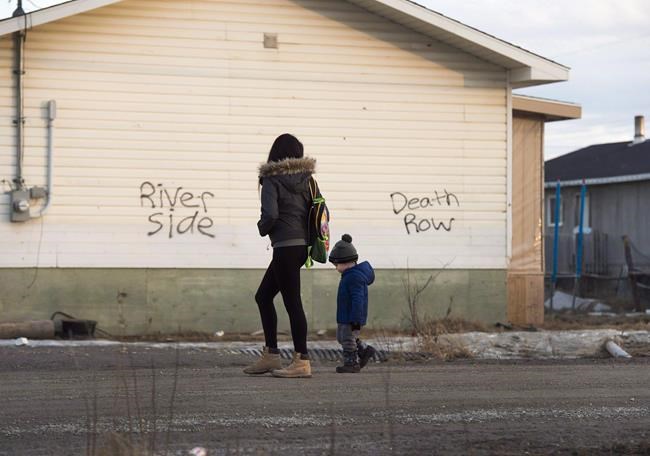
The Canadian Human Rights Tribunal has ordered the government to compensate children and families who had been denied service, or faced delays.
The updated report adds roughly 100,000 more First Nations children, along with their parents and grandparents, whose compensation would alone be about $10 billion.
The new estimate of about $15 billion includes the 13,000 children originally expected to be eligible for compensation, mostly related to delayed approval of claims, as well as those taken into care unnecessarily, and their families.
NDP MP Charlie Angus said the high cost of compensating First Nations children and families is a result of the government’s refusal to negotiate a solution with them after the human rights tribunal found Canada guilty of systemic discriminations against Indigenous children in 2016.
Angus said the new report shows that the cost would have been between $2.2 billion and $4.5 billion if the government began negotiating in good faith.
“The real cost has been paid in the lives of Indigenous children on reserves across this country,” Angus said Tuesday.
The tribunal ordered the government in September 2019 to pay $40,000 to every First Nations child who since 2006 was inappropriately removed from their home, and pay the same amount to their parents or caregiver.
The same amount, which is the maximum the tribunal can award, was also ordered for children who faced denials or delays of basic services like medical care.
At the time, the Assembly of First Nations estimated that 54,000 children and their parents could receive compensation, for a bill of at least $2 billion.
Budget officer Yves Giroux’s report pegs those figures far higher, but warns estimates are uncertain because of data limitations.
In November, a tribunal ruling expanded the scope of its order to allow First Nations to decide whether a particular child is entitled to federally funded services, not just the federal government under the Indian Act.
Ottawa announced before Christmas it would seek a judicial review of the decision.
Angus said the government has used numerous arguments against the tribunal’s rulings that ensure justice for Indigenous children.
“They’ve used jurisdiction. They’ve attacked the Human Rights Tribunal. They said that the costs would be outrageously high,” he said.
“The Human Rights Tribunal ruling is a watershed moment in Canadian history, and there’s no going back from that.”
A spokeswoman for Indigenous Services Minister Marc Miller said the department is committed to “move quickly” to compensate First Nations children and families harmed by the underfunding of child and family services in the past.
“We are also firmly committed to undertaking the work necessary to reform Child and Family Services in Canada to ensure that the best interest of the child prevails and that this new system is one that respects First Nations’ right to self-determination,” Vanessa Adams said in a statement Tuesday evening.
Adams said the department is working with First Nations partners, provinces, and territories to reform to guarantee full implementation of Jordan’s Principle.
The recent developments flow back to a 2016 ruling from the tribunal that found the federal government at fault for not providing funding on-reserve for child welfare services equal to provincial payments for those living in urban and rural settings.

The government subsequently broadened its definition of Jordan’s Principle, named for Jordan River Anderson, a boy from Norway House Cree Nation in Manitoba. He spent five years in hospital while the Manitoba and federal governments argued over which level of government needed to pay for his care in a special home.
The PBO report notes that more than 594,000 claims under Jordan’s Principle were approved between July 2016 and April 2020.
Crunching the numbers, the budget office said that amounts to one claim per person for each of the approximately 375,000 First Nations children living on- and off-reserve, as well as those who became adults over that almost four-year period.
This report by The Canadian Press was first published Feb. 23, 2021.
This story was produced with the financial assistance of the Facebook and Canadian Press News Fellowship.