UK: 73 new monkeypox cases, biggest outbreak outside Africa
Advertisement
Read this article for free:
or
Already have an account? Log in here »
To continue reading, please subscribe:

Digital Subscription
One year of digital access for only $205*
- Enjoy unlimited reading on winnipegfreepress.com
- Read the E-Edition, our digital replica newspaper
- Access News Break, our award-winning app
- Play interactive puzzles
*First annual payment billed as $205.00 + GST for one year. This annual subscription will automatically renew at $233.00 + GST every 52 weeks (10% off the regular annual price of $259.35). Offer available to new and qualified returning subscribers only. Cancel any time.
To continue reading, please subscribe:
Add Free Press access to your Brandon Sun subscription for only an additional
$1 for the first 4 weeks*
- Enjoy unlimited reading on winnipegfreepress.com
- Read the E-Edition, our digital replica newspaper
- Access News Break, our award-winning app
- Play interactive puzzles
*Your next Brandon Sun subscription payment will increase by $1.00 and you will be charged $17.95 plus GST for four weeks. After four weeks, your payment will increase to $24.95 plus GST every four weeks.
Read unlimited articles for free today:
or
Already have an account? Log in here »
Hey there, time traveller!
This article was published 06/06/2022 (1545 days ago), so information in it may no longer be current.
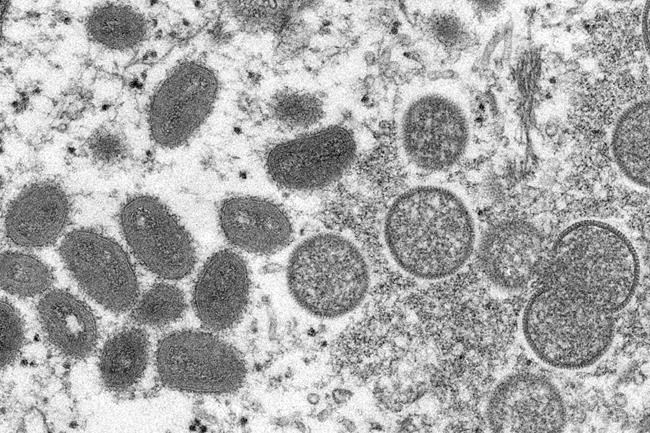
LONDON (AP) — British health officials reported 73 more monkeypox cases on Monday, raising the total to more than 300 across the country. To date, the U.K. has the biggest identified outbreak of the disease beyond Africa, with the vast majority of infections in gay and bisexual men.
Health officials warn that anyone, regardless of their sexual orientation, is potentially at risk of catching monkeypox if they are in close contact with a patient, their clothing or their bed sheets.
On Sunday, the World Health Organization said more than two dozen countries that haven’t previously identified monkeypox cases reported 780 cases, a more than 200% jump in cases since late May. No monkeypox deaths outside of Africa have yet been identified.
The U.N. health agency said most cases in Europe and elsewhere have been spotted in sexual health clinics and “have involved mainly, but not exclusively, men who have sex with men.”
So far this year, there have been more than 1,400 monkeypox cases and 63 deaths in four countries where the disease is endemic — Cameroon, Central African Republic, Congo and Nigeria — according to the Africa Centers for Disease Control and Prevention. Genetic sequencing of the virus has not yet shown any direct link to the outbreak outside Africa.
WHO said the sudden and unexpected detection of monkeypox in numerous countries “suggests that there might have been undetected transmission for some unknown duration of time followed by recent amplifier events.” Last month, a leading adviser to WHO said the outbreak in Europe and beyond was likely spread by sex at two recent raves in Spain and Belgium.

WHO estimated the risk posed by monkeypox to global health was “moderate,” saying this was the first time that so many cases and clusters were reported across the world. Until last month, the disease had not been known to cause large epidemics beyond central and west Africa, where it has mostly affected people in rural areas who come into close contact with infected wild animals.
The ongoing outbreak of monkeypox in Europe and elsewhere, including Canada, Australia, Israel and the U.S., marks the first time the disease has been known to spread among people who have no previous travel links to Africa.
Britain’s Health Security Agency said last week most cases have been in gay or bisexual men aged 20 to 49 and that “investigations to date have identified links to gay bars, saunas, and the use of dating apps in the U.K. and abroad.”
Most monkeypox patients experience only fever, body aches, chills and fatigue. People with more serious illness may develop a rash and lesions on the face and hands that can spread to other parts of the body.
Last week, WHO’s top expert on monkeypox, Dr. Rosamund Lewis, said she doubted the disease would trigger a pandemic but said actions should be taken quickly to curb its spread so it does not become entrenched in new areas.