WHO: COVID triples across Europe, hospitalizations double
Advertisement
Read this article for free:
or
Already have an account? Log in here »
To continue reading, please subscribe:

Digital Subscription
One year of digital access for only $205*
- Enjoy unlimited reading on winnipegfreepress.com
- Read the E-Edition, our digital replica newspaper
- Access News Break, our award-winning app
- Play interactive puzzles
*First annual payment billed as $205.00 + GST for one year. This annual subscription will automatically renew at $233.00 + GST every 52 weeks (10% off the regular annual price of $259.35). Offer available to new and qualified returning subscribers only. Cancel any time.
To continue reading, please subscribe:
Add Free Press access to your Brandon Sun subscription for only an additional
$1 for the first 4 weeks*
- Enjoy unlimited reading on winnipegfreepress.com
- Read the E-Edition, our digital replica newspaper
- Access News Break, our award-winning app
- Play interactive puzzles
*Your next Brandon Sun subscription payment will increase by $1.00 and you will be charged $17.95 plus GST for four weeks. After four weeks, your payment will increase to $24.95 plus GST every four weeks.
Read unlimited articles for free today:
or
Already have an account? Log in here »
Hey there, time traveller!
This article was published 19/07/2022 (1522 days ago), so information in it may no longer be current.
LONDON (AP) — The World Health Organization said Tuesday that coronavirus cases have tripled across Europe in the past six weeks, accounting for nearly half of all infections globally. Hospitalization rates have also doubled, although intensive care admissions have remained low.
In a statement on Tuesday, WHO’s Europe director, Dr. Hans Kluge, described COVID-19 as “a nasty and potentially deadly illness” that people should not underestimate. He said super-infectious relatives of the omicron variant were driving new waves of disease across the continent and that repeat infections could potentially lead to long COVID.
WHO said the 53 countries in its European region, which stretches to central Asia, reported nearly 3 million new coronavirus infections last week and that the virus was killing about 3,000 people every week. Globally, COVID-19 cases have increased for the past five weeks, even as countries have scaled back on testing.
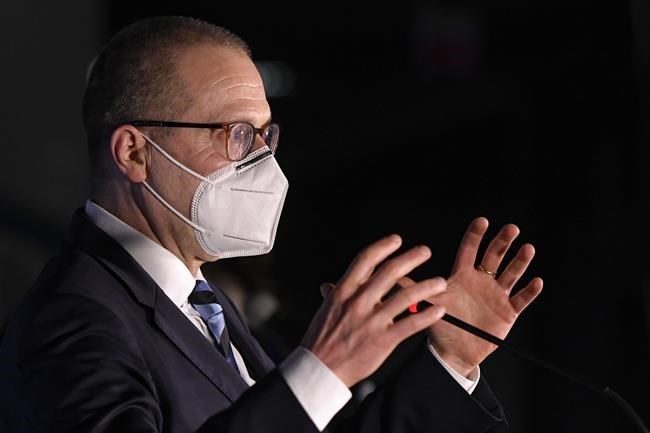
“With rising cases, we’re also seeing a rise in hospitalizations, which are only set to increase further in the autumn and winter months,” Kluge said. “This forecast presents a huge challenge to the health workforce in country after country, already under enormous pressure dealing with unrelenting crises since 2020.”
Earlier this week, editors of two British medical journals said the country’s National Health Service has never before had so many parts of the system so close to collapsing.
Kamran Abbasi, of the BMJ and Alastair McLellan of the Health Service Journal wrote in a joint editorial that the U.K. government was failing to address persistent problems worsened by COVID, including ambulances lining up outside hospitals too overloaded to accept new patients.
They slammed the government’s insistence that vaccines have broken the link between infections and hospitalizations. Although vaccines dramatically reduce the chances of severe disease and death, they have not made a significant dent on transmission.
“The government must stop gaslighting the public and be honest about the threat the pandemic still poses to them and the National Health Service,” the editors wrote.
WHO released its fall strategy for COVID-19 on Tuesday. The U.N. health agency called for a second vaccine booster dose for anyone age 5 and up with weak immune systems, promoting mask-wearing indoors and on public transportation, and better ventilation in schools, offices and other places.
Kluge said Southern Hemisphere countries were currently experiencing a very active flu season that, combined with COVID, was straining health systems.

“We are likely to see a similar scenario in the Northern Hemisphere,” Kluge said, warning that increased pressure could lead to business, travel and school chaos.
He urged people to make their own decisions, even in countries where authorities have largely abandoned coronavirus restrictions.
“We’re all aware of the tools we have to keep ourselves safe, assess our level of risk and take the necessary steps to protect others if we get infected,” Kluge said. “Just because a mask isn’t mandated doesn’t mean it’s prohibited.”
___
Follow AP’s coverage of the pandemic at https://apnews.com/hub/pandemics