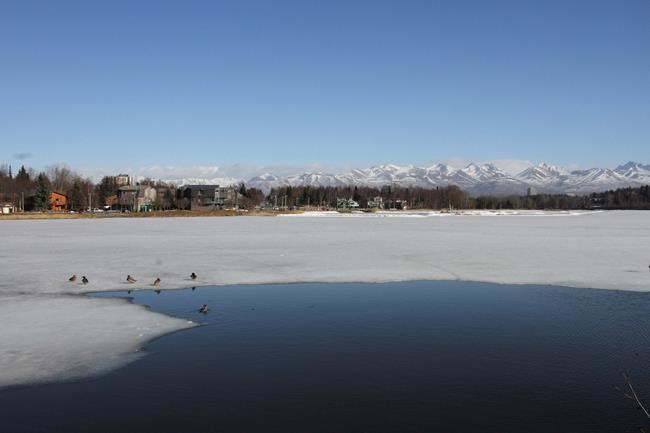
High March temperatures shortened Alaska’s winter weather
Advertisement
Read this article for free:
or
Already have an account? Log in here »
To continue reading, please subscribe:

Digital Subscription
One year of digital access for only $205*
- Enjoy unlimited reading on winnipegfreepress.com
- Read the E-Edition, our digital replica newspaper
- Access News Break, our award-winning app
- Play interactive puzzles
*First annual payment billed as $205.00 + GST for one year. This annual subscription will automatically renew at $233.00 + GST every 52 weeks (10% off the regular annual price of $259.35). Offer available to new and qualified returning subscribers only. Cancel any time.
To continue reading, please subscribe:
Add Free Press access to your Brandon Sun subscription for only an additional
$1 for the first 4 weeks*
- Enjoy unlimited reading on winnipegfreepress.com
- Read the E-Edition, our digital replica newspaper
- Access News Break, our award-winning app
- Play interactive puzzles
*Your next Brandon Sun subscription payment will increase by $1.00 and you will be charged $17.95 plus GST for four weeks. After four weeks, your payment will increase to $24.95 plus GST every four weeks.
Read unlimited articles for free today:
or
Already have an account? Log in here »
Hey there, time traveller!
This article was published 04/04/2019 (2671 days ago), so information in it may no longer be current.
ANCHORAGE, Alaska – Climatologists in Alaska say unusually high temperatures set records in March and likely are a reflection of the upward warming climate trend.
March is normally reliable for dog mushing and cross-country skiing. However, Anchorage, Alaska’s largest city, didn’t record a flake of measureable snow and temperatures in Fairbanks reached the 50s Fahrenheit (10s Celsius).
State climatologist Martin Stuefer says it’s as if Alaska didn’t have a March but instead moved right into April.
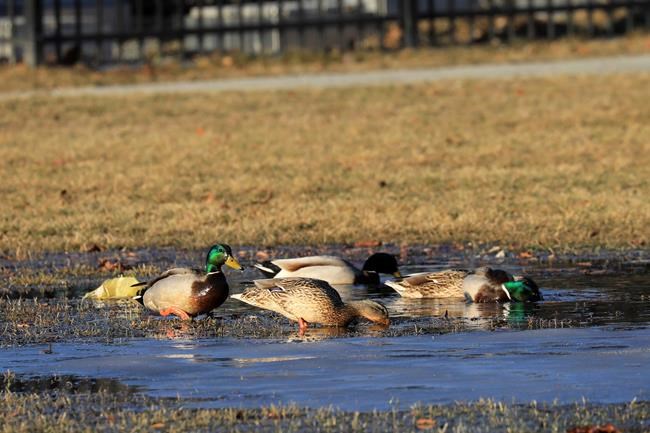
Climate specialist Rick Thoman (TOH-man) of the Alaska Center for Climate Assessment and Policy says temperatures in northern, western and interior Alaska exceeded the daily average by double digits.
The headquarters of Denali National Park reported zero snow on the ground as of March 31. Thoman says that’s the earliest snow has disappeared by two weeks.