J&J hammered by report it knew of asbestos in baby powder
Advertisement
Read this article for free:
or
Already have an account? Log in here »
To continue reading, please subscribe:

Digital Subscription
One year of digital access for only $205*
- Enjoy unlimited reading on winnipegfreepress.com
- Read the E-Edition, our digital replica newspaper
- Access News Break, our award-winning app
- Play interactive puzzles
*First annual payment billed as $205.00 + GST for one year. This annual subscription will automatically renew at $233.00 + GST every 52 weeks (10% off the regular annual price of $259.35). Offer available to new and qualified returning subscribers only. Cancel any time.
To continue reading, please subscribe:
Add Free Press access to your Brandon Sun subscription for only an additional
$1 for the first 4 weeks*
- Enjoy unlimited reading on winnipegfreepress.com
- Read the E-Edition, our digital replica newspaper
- Access News Break, our award-winning app
- Play interactive puzzles
*Your next Brandon Sun subscription payment will increase by $1.00 and you will be charged $17.95 plus GST for four weeks. After four weeks, your payment will increase to $24.95 plus GST every four weeks.
Read unlimited articles for free today:
or
Already have an account? Log in here »
Hey there, time traveller!
This article was published 14/12/2018 (2845 days ago), so information in it may no longer be current.
NEW YORK – Johnson & Johnson on Friday forcefully denied a media report that it knew for decades about the existence of trace amounts of asbestos in its baby powder.
The report by the Reuters news service sent the company’s shares into a tailspin, suffering their worst one-day sell-off in 16 years.
Reuters cited documents released as part of a lawsuit by plaintiffs claiming that the product can be linked to ovarian cancer. The New Brunswick, New Jersey company has battled in court against such claims and on Friday called the Reuters report “one-sided, false and inflammatory.”
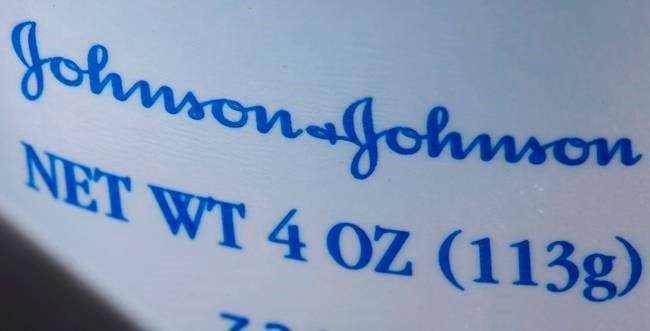
Johnson & Johnson’s stock fell $14.84, or 10 per cent, to close Friday at $133, its most severe single-day decline since 2002.

In the report, Reuters noted documents show consulting labs as early as 1957 and 1958 found asbestos in J&J talc. Further reports by the company and outside labs showed similar findings through the early 2000s, according to the Reuters story.
In its statement Friday, Johnson & Johnson said “thousands of independent tests by regulators and the world’s leading labs prove our baby powder has never contained asbestos.”