Summer Science Program spent $2 million last year serving 204 students. Then, they got a $200M gift
Advertisement
Read this article for free:
or
Already have an account? Log in here »
To continue reading, please subscribe:

Digital Subscription
One year of digital access for only $205*
- Enjoy unlimited reading on winnipegfreepress.com
- Read the E-Edition, our digital replica newspaper
- Access News Break, our award-winning app
- Play interactive puzzles
*First annual payment billed as $205.00 + GST for one year. This annual subscription will automatically renew at $233.00 + GST every 52 weeks (10% off the regular annual price of $259.35). Offer available to new and qualified returning subscribers only. Cancel any time.
To continue reading, please subscribe:
Add Free Press access to your Brandon Sun subscription for only an additional
$1 for the first 4 weeks*
- Enjoy unlimited reading on winnipegfreepress.com
- Read the E-Edition, our digital replica newspaper
- Access News Break, our award-winning app
- Play interactive puzzles
*Your next Brandon Sun subscription payment will increase by $1.00 and you will be charged $17.95 plus GST for four weeks. After four weeks, your payment will increase to $24.95 plus GST every four weeks.
Read unlimited articles for free today:
or
Already have an account? Log in here »
Hey there, time traveller!
This article was published 01/11/2023 (1044 days ago), so information in it may no longer be current.
It’s the kind of problem nonprofit leaders dream about: What do you do when you get an unexpectedly large donation?
Summer Science Program, a nonprofit with an annual budget of about $2 million, sent about 200 high school juniors to six-week intensive research courses at universities this year. It has also puzzled over what do to with a surprise bequest of an estimated $200 million — about 100 times its annual budget.
Summer Science Program learned last year that one of its alumni, Franklin Antonio, a co-founder of chipmaker Qualcomm, had granted the organization 20% of his estate, said CEO Frank Steslow.
“The estate is still being assessed and appraised and there is not a final valuation, but it is well north of $960 million at this point,” Steslow said. The board was not previously aware that Antonio, who died in May, 2022, at the age of 69, had included the organization in his will. Board members were equally surprised when they learned of the potential amount of the gift, he said.
Members of the nonprofit’s board had previously spoken with Antonio about making a major gift, in addition to the $1.2 million he had already donated to the organization since 2000.
“Obviously, whatever was said to him and whatever impressions we left were positive,” Steslow said. “But we don’t know for certain what drove his thinking.”
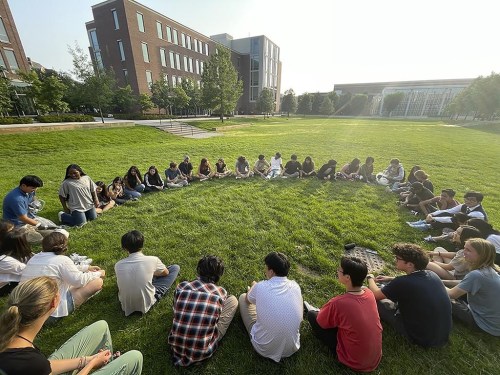
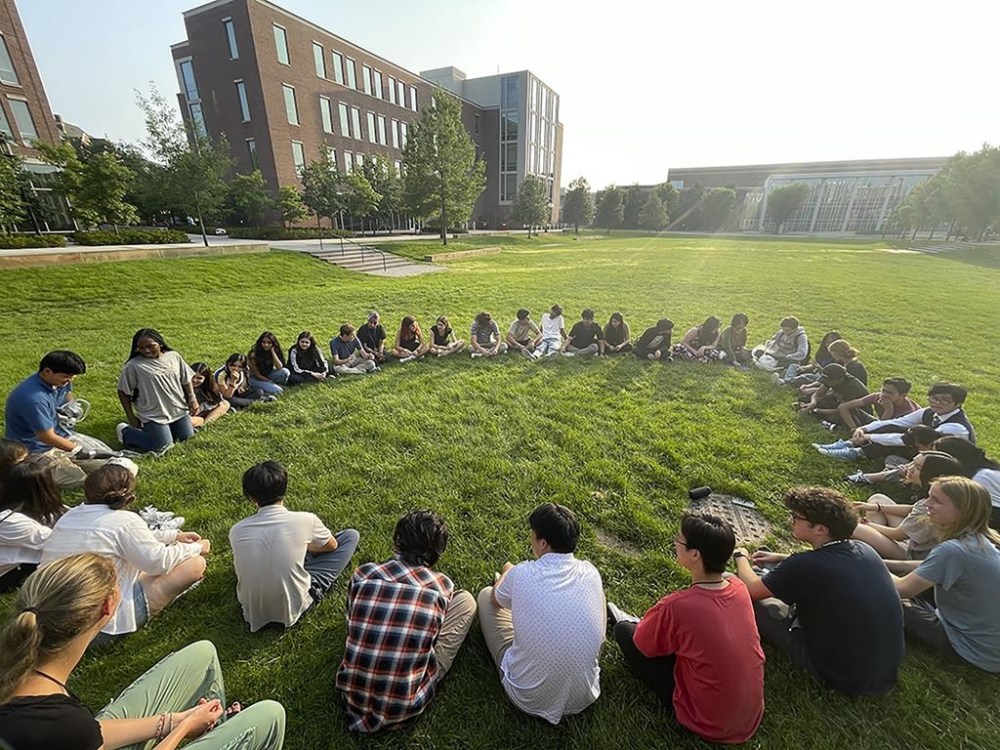
Summer Science Program places students in groups of 36 to complete a research project in astrophysics, biochemistry or genomics, under the supervision of faculty advisors at universities like Indiana University, Bloomington, New Mexico State University, Las Cruces, and University of Colorado Boulder.
After the notification, their board began internal deliberations about how to recraft the organization around the bequest.
They hired Steslow as CEO in March, brought in consultants to help them make a strategic plan, and in October, informed their alumni about the gift. The program intends to double the number of students enrolled next summer to more than 400 and increased its annual budget to over $7 million. They won’t change the size of the cohorts, which Steslow said is a major part of the program’s identify, but rather, the nonprofit is seeking to start partnerships at new universities as well as to expand into other STEM subjects.
But they are also taking their time before making major decisions, like whether to establish a campus or physical location out of which they could run programs. Currently, the organization is fully remote.
The nonprofit collaborative, Panorama Global, has studied the impact of the unsolicited and often, transformational gifts from MacKenzie Scott, the author and ex-wife of Amazon founder Jeff Bezos. Their research, which convened hundreds of nonprofits that had received gifts from Scott, found that organizations needed up to a year to plan and gain internal consensus on how to use the funds. That could include using the funds to establish an endowment, allocate some funds to take risks or save for future investment, or to broaden or deepen the scope of their work.
Gabrielle Fitzgerald, Panorama Global’s founder and CEO, said Summer Science Program should celebrate and appreciate the good news, “And then, the work starts.”
Generally, Scott’s gifts represented the equivalent of a year’s operating costs for the organizations she supported, Fitzgerald said. Given that Antonio’s bequest was much larger, she said it was appropriate to take time to consider how to use the funds to meet their objectives in the best possible way.
Summer Science Program has already received a first payment of $65 million, and the funds are unrestricted. Russell James, a professor at Texas Tech University who researches bequests and charitable giving, said that was unusual.

“Large gifts, in general, during life and also at the end of life tend to come with instructions,” James said. But he added, “it seems unusual at first until you realize that the organization itself is almost like a gift restriction, because they’re very specific in what they do,” referring to Summer Science Program.
For now, the nonprofit is managing the funds as if they were an endowment, though without the formal restrictions, Steslow said, a move that James also recommended.
James said tax data shows that the bulk of bequests usually go to family foundations, again distinguishing this particular gift, though it has some precedent. After her death in 2003, Joan B. Kroc, the McDonald’s heiress, left some $1.5 billion to The Salvation Army and another $200 million to National Public Radio.
A major focus of the board’s strategic planning is how to reach more underserved students, including potentially by offering stipends to participants in the future in recognition of the fact that some students can’t afford not to work over the summer.
The board is asking questions like, “What’s the right approach in terms of qualifications and prerequisites that are needed for the programs?” Steslow said. “And also, how do we reach out to communities that we have maybe not received applications from in the past and do a better job marketing, and making sure that those students know that they’re not only welcome, but that we will accommodate them in whatever way that we can?” ___ Associated Press coverage of philanthropy and nonprofits receives support through the AP’s collaboration with The Conversation US, with funding from Lilly Endowment Inc. The AP is solely responsible for this content. For all of AP’s philanthropy coverage, visit https://apnews.com/hub/philanthropy.