Toyota small car maker Daihatsu shuts down Japan factories during probe of bogus safety tests
Advertisement
Read this article for free:
or
Already have an account? Log in here »
To continue reading, please subscribe:

Digital Subscription
One year of digital access for only $205*
- Enjoy unlimited reading on winnipegfreepress.com
- Read the E-Edition, our digital replica newspaper
- Access News Break, our award-winning app
- Play interactive puzzles
*First annual payment billed as $205.00 + GST for one year. This annual subscription will automatically renew at $233.00 + GST every 52 weeks (10% off the regular annual price of $259.35). Offer available to new and qualified returning subscribers only. Cancel any time.
To continue reading, please subscribe:
Add Free Press access to your Brandon Sun subscription for only an additional
$1 for the first 4 weeks*
- Enjoy unlimited reading on winnipegfreepress.com
- Read the E-Edition, our digital replica newspaper
- Access News Break, our award-winning app
- Play interactive puzzles
*Your next Brandon Sun subscription payment will increase by $1.00 and you will be charged $17.95 plus GST for four weeks. After four weeks, your payment will increase to $24.95 plus GST every four weeks.
Read unlimited articles for free today:
or
Already have an account? Log in here »
Hey there, time traveller!
This article was published 26/12/2023 (1013 days ago), so information in it may no longer be current.
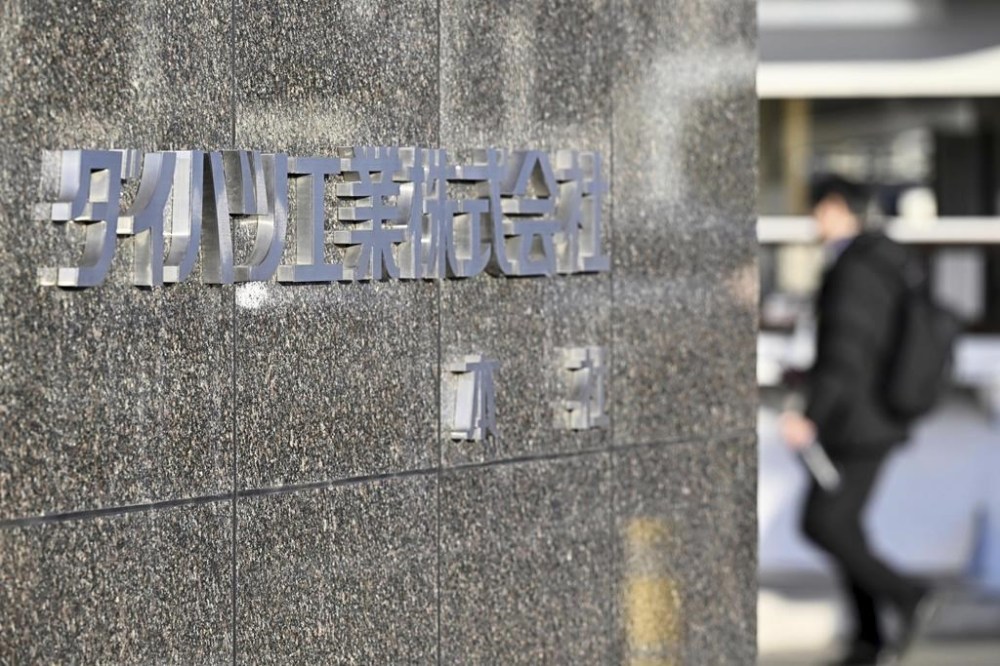
TOKYO (AP) — Daihatsu, a unit of Japanese automaker Toyota Motor Corp., has shut down production lines at all its four factories in Japan while transport ministry officials investigate improper tests for safety certifications.
The shutdown as of Tuesday comes a week after Daihatsu Motor Co. announced it was suspending all vehicle shipments in and outside Japan after finding improper testing involving 64 models. That led transport ministry officials to launch a deeper probe into problems that apparently persisted for decades.
The stoppage is expected to affect thousands of auto parts makers and their employees in a potential blow to local economies.
The safety test irregularities earlier this year triggered an independent panel investigation, which found widespread and systematic problems at Daihatsu. It is the latest of safety or other violations found at at least five of Japan’s major automakers in recent years.
So far, there have been no reports of accidents or deaths due to the falsified tests.
Daihatsu, maker of Hijet trucks and vans and Mira hatchbacks, said it started shutting down some lines Monday and production stopped at all four plants in Shiga, Kyoto and Oita prefectures as well as at its headquarters in Osaka on Tuesday.
The company declined to say when production will resume, while media reports said lines will be suspended at least through January.
Daihatsu is Toyota’s unit specializing in small cars and trucks that are popular in Japan. The company assembled some 870,000 vehicles at the four plants in fiscal 2022.
According to market research company Teikoku Databank, Daihatsu factories have supply chains including 8,136 companies across Japan, with sales totaling 2.2 trillion sales ($15.53 billion).
“The longer the shipment suspension, the greater the concern about its impact on company earnings, employment and the local economy,” it said in a report.
The problems were found in 64 models and three vehicle engines, including 22 models and an engine sold by Toyota. The problems also affected some models of Mazda Motor Corp. and Subaru Corp. sold in Japan, and Toyota and Daihatsu models sold abroad.
Daihatsu’s probe found 174 new cases of irregularities in safety tests and other procedures in 25 test categories, on top of problems reported earlier.
The issue emerged in April when Daihatsu reported improper testing on door linings. Problems in side collision testing surfaced in May, officials said. The also found data falsifications and use of unauthorized testing procedures.
Speaking to reporters last week, Daihatsu President Soichiro Okudaira acknowledged the cheating on safety testing and procedures, saying it was tantamount to neglect of safety certificates. He attributed the problems to pressure on workers to meet ambitious demands for tight development deadlines.