Vessel off Florida Keys identified as British warship that sank in the 18th century
Advertisement
Read this article for free:
or
Already have an account? Log in here »
To continue reading, please subscribe:

Digital Subscription
One year of digital access for only $205*
- Enjoy unlimited reading on winnipegfreepress.com
- Read the E-Edition, our digital replica newspaper
- Access News Break, our award-winning app
- Play interactive puzzles
*First annual payment billed as $205.00 + GST for one year. This annual subscription will automatically renew at $233.00 + GST every 52 weeks (10% off the regular annual price of $259.35). Offer available to new and qualified returning subscribers only. Cancel any time.
To continue reading, please subscribe:
Add Free Press access to your Brandon Sun subscription for only an additional
$1 for the first 4 weeks*
- Enjoy unlimited reading on winnipegfreepress.com
- Read the E-Edition, our digital replica newspaper
- Access News Break, our award-winning app
- Play interactive puzzles
*Your next Brandon Sun subscription payment will increase by $1.00 and you will be charged $17.95 plus GST for four weeks. After four weeks, your payment will increase to $24.95 plus GST every four weeks.
Read unlimited articles for free today:
or
Already have an account? Log in here »
Hey there, time traveller!
This article was published 20/03/2024 (932 days ago), so information in it may no longer be current.
KEY WEST, Fla. (AP) — A wrecked seagoing vessel discovered decades ago off the Florida Keys has recently been identified as a British warship that sank in the 18th century.
National Park Service archaeologists used new research to determine that the wreckage first spotted in 1993 near Dry Tortugas National Park is the HMS Tyger, the agency said in a news release late last week. The findings were recently published in the International Journal of Nautical Archaeology.
The HMS Tyger was a Fourth-Rate, 50-gun frigate built in 1647. It sank in 1742 after running aground on the reefs of the Dry Tortugas while on patrol in the War of Jenkins Ear between Britain and Spain.
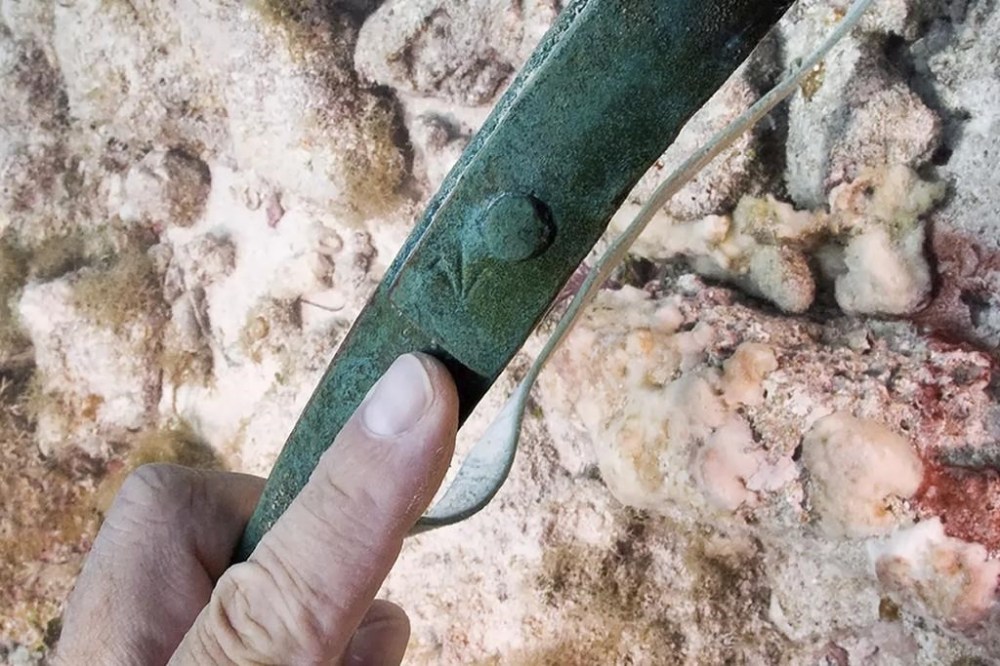
“This discovery highlights the importance of preservation in place as future generations of archeologists, armed with more advanced technologies and research tools, are able to reexamine sites and make new discoveries,” maritime archaeologist Josh Marano said in a statement.
Archaeologists surveyed the site in 2021 and found five cannons several hundred yards from the main wreck site, officials said. The guns were determined to be those thrown overboard when HMS Tyger first ran aground, leading archaeologists to confirm the wreck was, in fact, the remains of HMS Tyger.
After the ship wrecked, about 300 crew members were marooned for more than two months on what today is Garden Key. They erected fortifications on the island more than a century before the establishment of Fort Jefferson, which remains on the island today as a historical site.

Stranded survivors built seagoing vessels from salvaged pieces of the wrecked HMS Tyger and then burned the rest of the ship to prevent its guns from falling into enemy hands. The survivors used their makeshift vessels to travel 700 miles (1,125 kilometers) through enemy waters to British-controlled Port Royal, Jamaica.
The remains of HMS Tyger and its related artifacts are the sovereign property of the British government in accordance with international treaties.