The Bankman-Fried verdict, explained
Advertisement
Read this article for free:
or
Already have an account? Log in here »
To continue reading, please subscribe:

Digital Subscription
One year of digital access for only $205*
- Enjoy unlimited reading on winnipegfreepress.com
- Read the E-Edition, our digital replica newspaper
- Access News Break, our award-winning app
- Play interactive puzzles
*First annual payment billed as $205.00 + GST for one year. This annual subscription will automatically renew at $233.00 + GST every 52 weeks (10% off the regular annual price of $259.35). Offer available to new and qualified returning subscribers only. Cancel any time.
To continue reading, please subscribe:
Add Free Press access to your Brandon Sun subscription for only an additional
$1 for the first 4 weeks*
- Enjoy unlimited reading on winnipegfreepress.com
- Read the E-Edition, our digital replica newspaper
- Access News Break, our award-winning app
- Play interactive puzzles
*Your next Brandon Sun subscription payment will increase by $1.00 and you will be charged $17.95 plus GST for four weeks. After four weeks, your payment will increase to $24.95 plus GST every four weeks.
Read unlimited articles for free today:
or
Already have an account? Log in here »
Hey there, time traveller!
This article was published 28/03/2024 (898 days ago), so information in it may no longer be current.
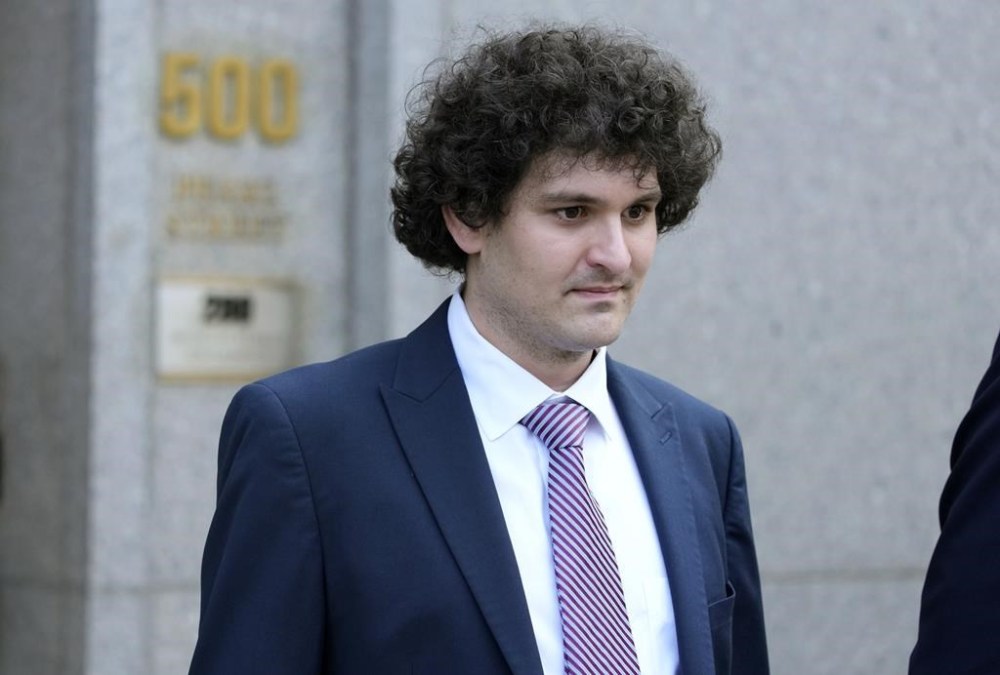
NEW YORK (AP) — Sam Bankman-Fried co-founded the FTX crypto exchange in 2019 and quickly built it into the world’s second most popular place to trade digital currency. It collapsed almost as quickly. By the fall of 2022, it was bankrupt.
Prosecutors soon charged Bankman-Fried with misappropriating billions of dollars in FTX customer deposits. They said he used the money to prop up his hedge fund, buy real estate, and attempt to influence cryptocurrency regulation by making campaign contributions to U.S. politicians and pay $150 million in bribes to Chinese government officials.
He was put on trial in the fall of 2023.
WHAT DID HE DO WRONG?
FTX had two lines of business: a brokerage where customers could deposit, buy, and sell cryptocurrency assets on the FTX platform, and an affiliated hedge fund known as Alameda Research, which took speculative positions in cryptocurrency investments. As Alameda piled up losses during a cryptocurrency market decline, prosecutors said Bankman-Fried directed funds to be moved from FTX’s customer accounts to Alameda to plug holes in the hedge fund’s balance sheet.
Prosecutors said Bankman-Fried, now 32, also created secret loopholes in the computer code for the FTX platform that allowed Alameda to incur a multibillion-dollar negative balance that the hedge fund couldn’t repay, lied to a bank about the purpose of certain accounts it opened, evaded banking regulations and bribed Chinese officials in an attempt to regain access to bank accounts that had been frozen in that country during an investigation.

WHAT DOES BANKMAN-FRIED SAY?
In interviews and court testimony, Bankman-Fried acknowledged making mistakes, but blamed some of the wrongdoing on other executives at his company, and said he never intended to defraud anyone. He has also said the alleged harm to FTX’s customers has been exaggerated.
THE VERDICT
Bankman-Fried was convicted in November 2023 of two counts of wire fraud conspiracy, two counts of wire fraud, one count of conspiracy to commit money laundering, conspiracy to commit commodities fraud and conspiracy to commit securities fraud.
He was sentenced to 25 years in prison four months later in late March 2024. The judge in the case also ordered him to forfeit over $11 billion.

Advertisement Advertise With Us
Advertisement Advertise With Us