New research explores how a short trip to space affects the human body
Advertisement
Read this article for free:
or
Already have an account? Log in here »
To continue reading, please subscribe:

Digital Subscription
One year of digital access for only $205*
- Enjoy unlimited reading on winnipegfreepress.com
- Read the E-Edition, our digital replica newspaper
- Access News Break, our award-winning app
- Play interactive puzzles
*First annual payment billed as $205.00 + GST for one year. This annual subscription will automatically renew at $233.00 + GST every 52 weeks (10% off the regular annual price of $259.35). Offer available to new and qualified returning subscribers only. Cancel any time.
To continue reading, please subscribe:
Add Free Press access to your Brandon Sun subscription for only an additional
$1 for the first 4 weeks*
- Enjoy unlimited reading on winnipegfreepress.com
- Read the E-Edition, our digital replica newspaper
- Access News Break, our award-winning app
- Play interactive puzzles
*Your next Brandon Sun subscription payment will increase by $1.00 and you will be charged $17.95 plus GST for four weeks. After four weeks, your payment will increase to $24.95 plus GST every four weeks.
Read unlimited articles for free today:
or
Already have an account? Log in here »
Hey there, time traveller!
This article was published 11/06/2024 (817 days ago), so information in it may no longer be current.
DALLAS (AP) — Space tourists experience some of the same body changes as astronauts who spend months in orbit, according to new studies published Tuesday.
Those shifts mostly returned to normal once the amateurs returned to Earth, researchers reported.
Research on four space tourists is included in a series of studies on the health effects of space travel, down to the molecular level. The findings paint a clearer picture of how people — who don’t undergo years of astronaut training — adapt to weightlessness and space radiation, the researchers said.
“This will allow us to be better prepared when we’re sending humans into space for whatever reason,” said Allen Liu, a mechanical engineering professor at the University of Michigan who was not involved with the research.
NASA and others have long studied the toll of space travel on astronauts, including yearlong residents of the International Space Station, but there’s been less attention on space tourists. The first tourist visit to the space station was in 2001, and opportunities for private space travel have expanded in recent years.
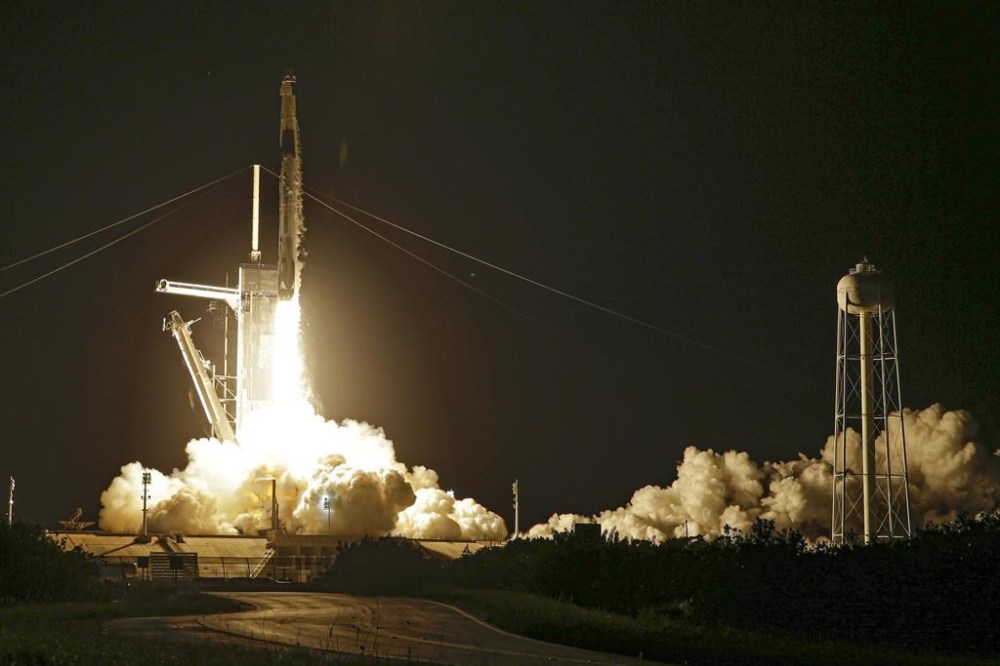
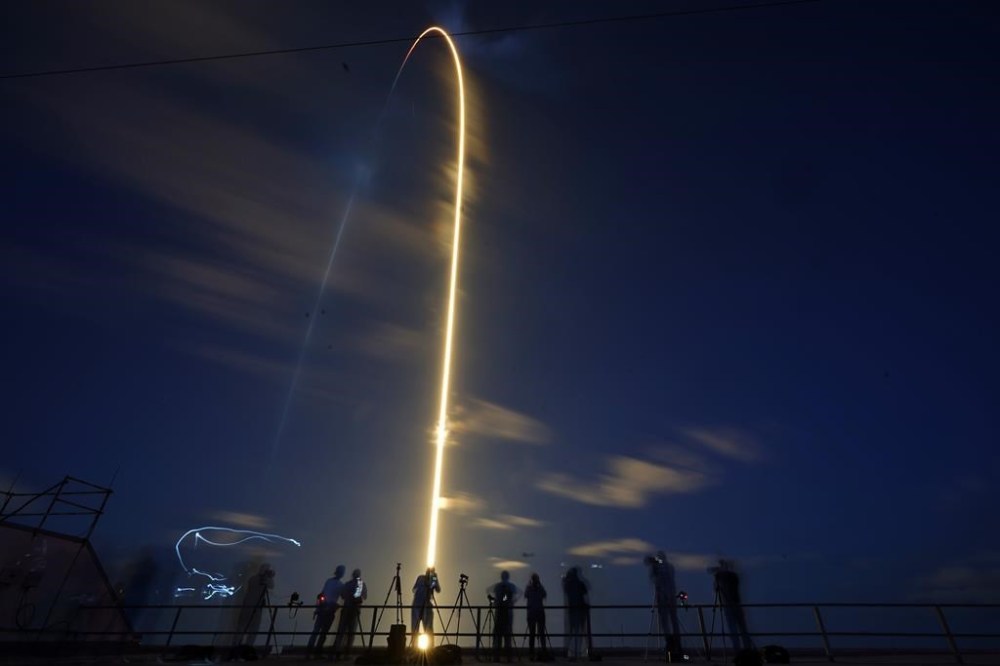
A three-day chartered flight in 2021 gave researchers the chance to examine how quickly the body reacts and adapts to spaceflight, said Susan Bailey, a radiation expert at Colorado State University who took part in the research.
While in space, the four passengers on the SpaceX flight, dubbed Inspiration4, collected samples of blood, saliva, skin and more. Researchers analyzed the samples and found wide-ranging shifts in cells and changes to the immune system. Most of these shifts stabilized in the months after the four returned home, and the researchers found that the short-term spaceflight didn’t pose significant health risks.
“This is the first time we’ve had a cell-by-cell examination of a crew when they go to space,” said researcher and co-author Chris Mason with Weill Cornell Medicine.

The papers, which were published Tuesday in Nature journals and are now part of a database, include the impact of spaceflight on the skin, kidneys and immune system. The results could help researchers find ways to counteract the negative effects of space travel, said Afshin Beheshti, a researcher with the Blue Marble Space Institute of Science who took part in the work.
___
AP videojournalist Mary Conlon contributed from New York.
___
The Associated Press Health and Science Department receives support from the Howard Hughes Medical Institute’s Science and Educational Media Group. The AP is solely responsible for all content.