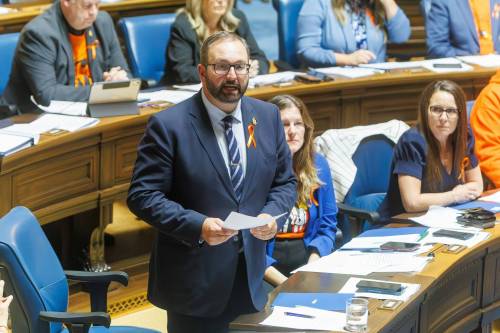
Federal judge halts Mississippi law requiring age verification for websites
Advertisement
Read this article for free:
or
Already have an account? Log in here »
To continue reading, please subscribe:

Digital Subscription
One year of digital access for only $205*
- Enjoy unlimited reading on winnipegfreepress.com
- Read the E-Edition, our digital replica newspaper
- Access News Break, our award-winning app
- Play interactive puzzles
*First annual payment billed as $205.00 + GST for one year. This annual subscription will automatically renew at $233.00 + GST every 52 weeks (10% off the regular annual price of $259.35). Offer available to new and qualified returning subscribers only. Cancel any time.
To continue reading, please subscribe:
Add Free Press access to your Brandon Sun subscription for only an additional
$1 for the first 4 weeks*
- Enjoy unlimited reading on winnipegfreepress.com
- Read the E-Edition, our digital replica newspaper
- Access News Break, our award-winning app
- Play interactive puzzles
*Your next Brandon Sun subscription payment will increase by $1.00 and you will be charged $17.95 plus GST for four weeks. After four weeks, your payment will increase to $24.95 plus GST every four weeks.
Read unlimited articles for free today:
or
Already have an account? Log in here »
Hey there, time traveller!
This article was published 01/07/2024 (821 days ago), so information in it may no longer be current.
JACKSON, Miss. (AP) — A federal judge on Monday blocked a Mississippi law that would require users of websites and other digital services to verify their age.
The preliminary injunction by U.S. District Judge Sul Ozerden came the same day the law was set to take effect. A tech industry group sued Mississippi on June 7, arguing the law would unconstitutionally limit access to online speech for minors and adults.
Legislators said the law is designed to protect children from sexually explicit material.
“It is not lost on the Court the seriousness of the issue the legislature was attempting to address, nor does the Court doubt the good intentions behind the enactment of (the law),” Ozderen wrote.
The U.S. Supreme Court has held that any law that dealing with speech “is subject to strict scrutiny regardless of the government’s benign motive,'” Ozerden wrote.
Republican Gov. Tate Reeves signed the legislation after it passed the GOP-controlled House and Senate without opposition from either party.
The suit challenging the law was filed by NetChoice, whose members include Google, which owns YouTube; Snap Inc., the parent company of Snapchat; and Meta, the parent company of Facebook and Instagram.
NetChoice has persuaded judges to block similar laws in other states, including Arkansas, California and Ohio.

Chris Marchese, director of the NetChoice Litigation Center, said in a statement Monday that the Mississippi law should be struck down permanently because “mandating age and identity verification for digital services will undermine privacy and stifle the free exchange of ideas.”
“Mississippians have a First Amendment right to access lawful information online free from government censorship,” Marchese said.
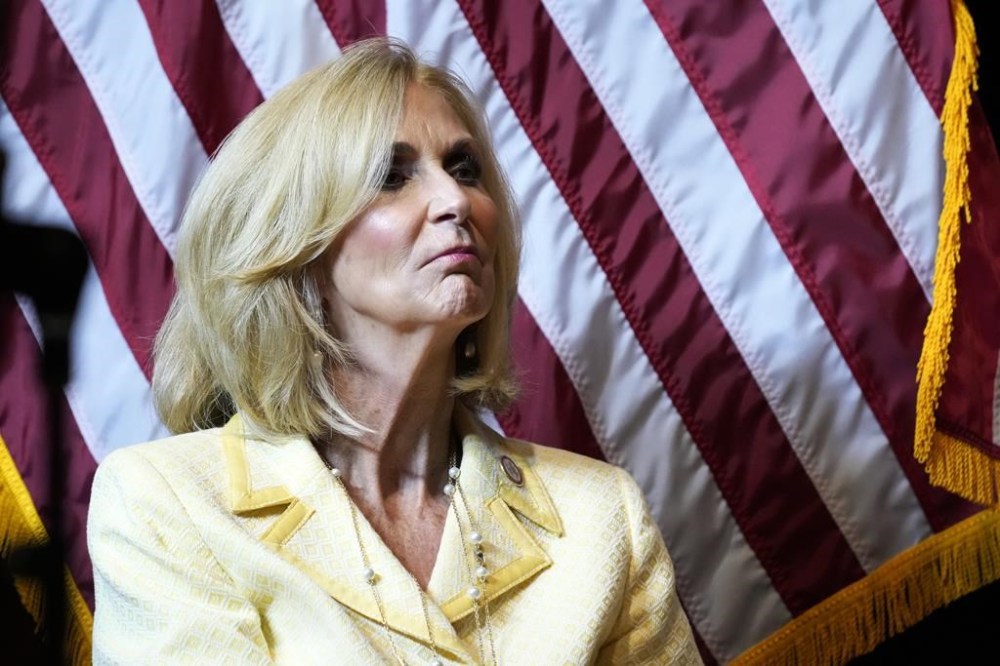
Mississippi Attorney General Lynn Fitch argued in a court filing that steps such as age verification for digital sites could mitigate harm caused by “sex trafficking, sexual abuse, child pornography, targeted harassment, sextortion, incitement to suicide and self-harm, and other harmful and often illegal conduct against children.”
Fitch wrote that the law does not limit speech but instead regulates the “non-expressive conduct” of online platforms. Ozerden said he was not persuaded that the law “merely regulates non-expressive conduct.”
Utah is among the states sued by NetChoice over laws that imposed strict limits for children seeking access to social media. In March, Republican Gov. Spencer Cox signed revisions to the Utah laws. The new laws require social media companies to verify their users’ ages and disable certain features on accounts owned by Utah youths. Utah legislators removed a requirement that parents consent to their child opening an account after many raised concerns that they would need to enter data that could compromise their online security.