Tahiti’s rahui tradition has helped revive ecosystems – including near the Olympics surfing venue
Advertisement
Read this article for free:
or
Already have an account? Log in here »
To continue reading, please subscribe:

Digital Subscription
One year of digital access for only $205*
- Enjoy unlimited reading on winnipegfreepress.com
- Read the E-Edition, our digital replica newspaper
- Access News Break, our award-winning app
- Play interactive puzzles
*First annual payment billed as $205.00 + GST for one year. This annual subscription will automatically renew at $233.00 + GST every 52 weeks (10% off the regular annual price of $259.35). Offer available to new and qualified returning subscribers only. Cancel any time.
To continue reading, please subscribe:
Add Free Press access to your Brandon Sun subscription for only an additional
$1 for the first 4 weeks*
- Enjoy unlimited reading on winnipegfreepress.com
- Read the E-Edition, our digital replica newspaper
- Access News Break, our award-winning app
- Play interactive puzzles
*Your next Brandon Sun subscription payment will increase by $1.00 and you will be charged $17.95 plus GST for four weeks. After four weeks, your payment will increase to $24.95 plus GST every four weeks.
Read unlimited articles for free today:
or
Already have an account? Log in here »
Hey there, time traveller!
This article was published 07/08/2024 (785 days ago), so information in it may no longer be current.
TIAHURA, Tahiti (AP) — During their days on Tahiti’s turquoise ocean some years ago, fishers noticed their catches — and the fish inside — were getting smaller.
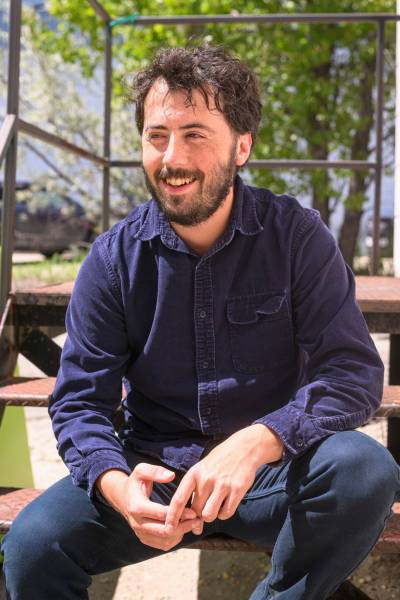
With fishing being a vital part of the ways of Polynesian life, local leader Dominique Tehei, 51, and his fellow community members knew they needed to find a way to restore the ecosystem. They decided there was a customary Polynesian practice that could help them do it: creating a rahui.
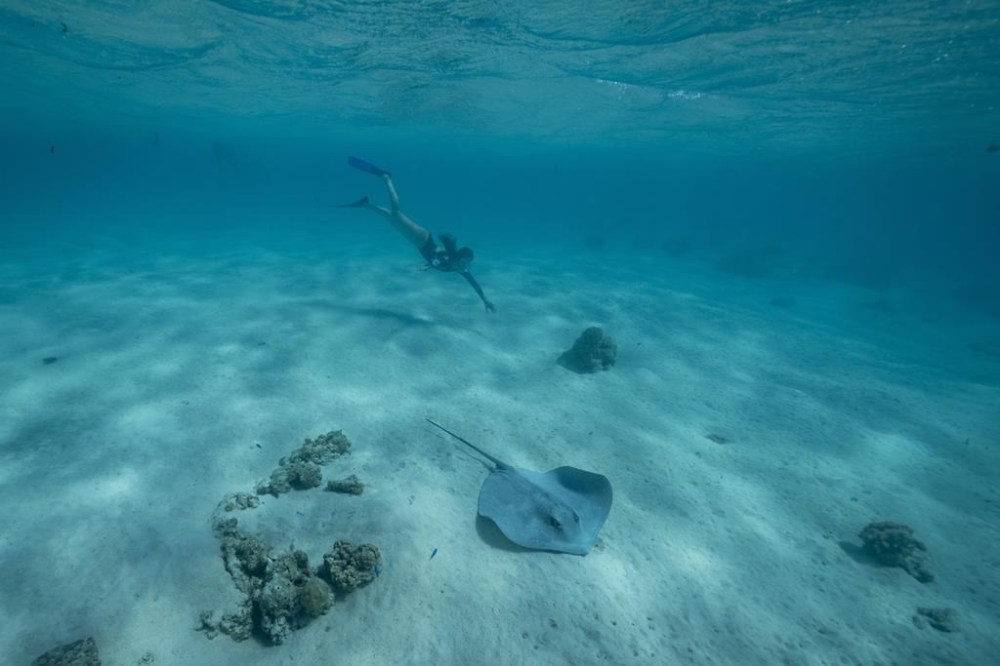
The traditional conservation method of regulating human activity to help replenish and protect maritime ecosystems resources is being revived and showing results in Tahiti, including the area near the Paris Olympics surfing venue. While local communities and leaders acknowledge that rahui aren’t a one-stop solution to all environmental issues, they’re working with researchers and scientists to help strengthen the ground-up, community-based approach.
For centuries, rahui have been implemented in the French Polynesian islands, Hawaii and New Zealand, temporarily banning or restricting the harvesting of natural resources in designated areas, said Hunter Lenihan, an ecologist and co-director of the Rahui Forum and Resource Center headquartered in Moorea, Tahiti.
“(The practice) was squashed by colonizers,” said Lenihan, “but … is going through a revival that began intensively about a decade ago.”
While the most common form of rahui is a no-fishing zone placed in a lagoon or offshore — like a marine reserve — rahui have also been established in local creeks and rivers in the form of planting taro crops to capture sediment from agriculture or other development before it flows into the ocean and harmfully settles onto reefs.
Even in the no-fishing zones, rules can vary based on the area’s needs. Sometimes, fishing is only permitted during a certain season. Other times, only certain methods like line or spear fishing are permitted, forbidding the use of nets or cages. In some rahui, fishing and swimming is prohibited entirely, protecting some areas from tourism overdevelopment.
Decisions on where, how and when to establish a rahui are made and managed by community leaders.
In the years leading up to the 2019 establishment of the rahui in Teva I Uta, where Tehei lives, Tehei said he and other conservationists initially had a hard time convincing villagers that a rahui would be a good idea.
“Fishing is what provides resource money and food,” said Tehei. “They were afraid of not being able to access it when they were in the most need. So of course they were a little nervous about that.”
Going home to home, Tehei said they were able to convince villagers to allow certain sections of the reef and surrounding areas to be closed for two years at a time, leaving other sections still open for fishing activities.
Tehei hasn’t been alone in his advocacy efforts for establishing rahui across Tahiti.
Members from the Rahui Forum and Resource Center visit and discuss with communities across Tahiti to help learn why they want to establish a rahui, then connect them with local nongovernmental organizations and community leaders who can help with the establishment process.
“The system is built from ground up,” said Lenihan.
Community leaders and government officials have also led information campaigns, with billboards and posters about rahui being posted across church, schools and town halls across Tahiti.
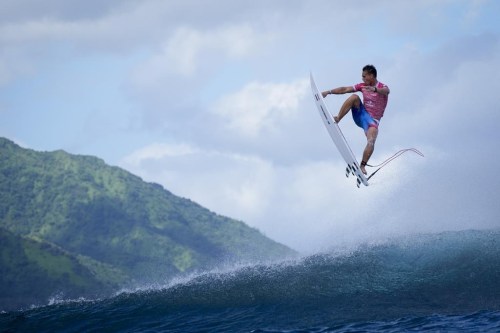
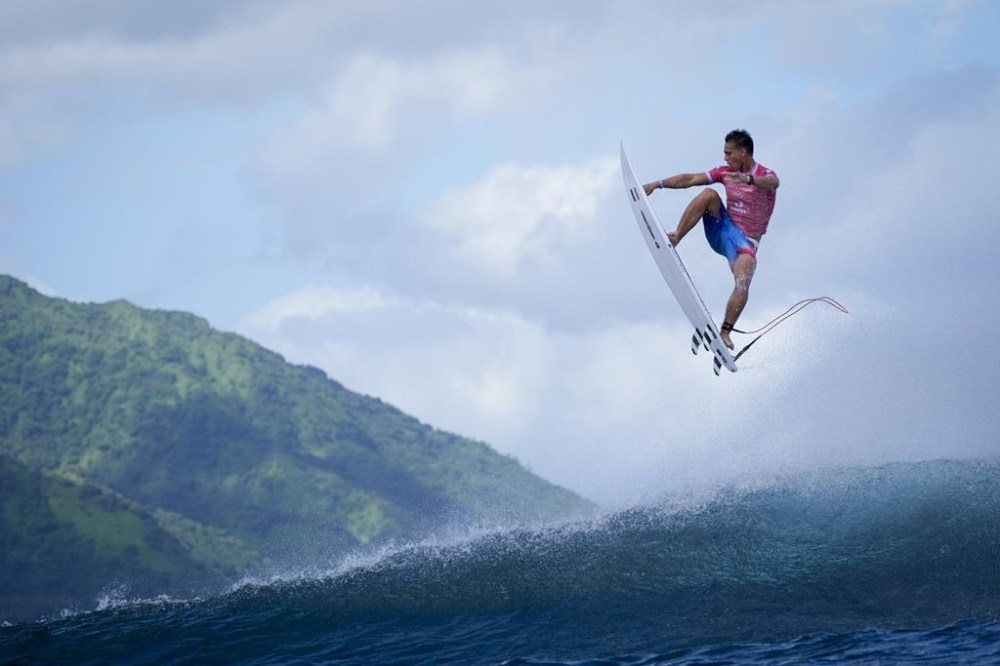
There are now dozens of rahui across Tahiti, including in Teahupo’o, where surfers went head-to-head in the Paris Olympics surfing competition.
Signs mark their presence, informing visitors of regulations and penalties for violating them. Locals relaxing on the beach or working in tourism can point out buoys in the water marking the rahui zones while explaining how important they are for the community’s conservation efforts.
Acceptance of rahui has blossomed as well: A 2019 study by the Pew Bertarelli Ocean Legacy Project found that 90% of inhabitants in French Polynesia support rahui, much higher than the support for other legal conservation methods like protected marine areas. Rahui have been legally recognized in the French Polynesia environmental code since 2016.
But Tehei acknowledged the rahui system isn’t perfect: Sometimes, it’s hard to monitor the entire area, especially during new moons when it’s darker outside. Other times, they’ve had to open a rahui before the ecosystem had a chance to fully recover, as part of their timeline promises to fishers. A lack of management during the opening of one rahui led to overfishing, he said.
“We didn’t have an eye on who was going on the reef and unfortunately I would say within three weeks after the reopening … the whole island came. We had 30 boats fishing,” he said. “It was a total disaster.”
Tehei said despite the setbacks, they’re still continuing to promote and monitor different ways to improve their rahui practices, including working with the local government to help create a fishing registration system that would catalog how much each fisher catches.
But, Tehei said, rahui have helped change the mentality some Tahitians have towards taking care of the ocean and its ecosystems.

“For Tahitian people, the ocean is everything,” he said. “People want to keep it healthy and prosperous.”
___
The Associated Press’ climate and environmental coverage receives financial support from multiple private foundations. AP is solely responsible for all content. Find AP’s standards for working with philanthropies, a list of supporters and funded coverage areas at AP.org.
___
For more coverage of the 2024 Olympics, visit https://apnews.com/hub/2024-paris-olympic-games.
Related Articles
US distance runner in Paris with family in heart after leaving Eritrea as a teen for new life





Advertisement Advertise With Us
Advertisement Advertise With Us