Kuwait bans ‘Call of Duty: Black Ops 6’ video game, likely over it featuring Saddam Hussein in 1990s
Advertisement
Read this article for free:
or
Already have an account? Log in here »
To continue reading, please subscribe:

Digital Subscription
One year of digital access for only $205*
- Enjoy unlimited reading on winnipegfreepress.com
- Read the E-Edition, our digital replica newspaper
- Access News Break, our award-winning app
- Play interactive puzzles
*First annual payment billed as $205.00 + GST for one year. This annual subscription will automatically renew at $233.00 + GST every 52 weeks (10% off the regular annual price of $259.35). Offer available to new and qualified returning subscribers only. Cancel any time.
To continue reading, please subscribe:
Add Free Press access to your Brandon Sun subscription for only an additional
$1 for the first 4 weeks*
- Enjoy unlimited reading on winnipegfreepress.com
- Read the E-Edition, our digital replica newspaper
- Access News Break, our award-winning app
- Play interactive puzzles
*Your next Brandon Sun subscription payment will increase by $1.00 and you will be charged $17.95 plus GST for four weeks. After four weeks, your payment will increase to $24.95 plus GST every four weeks.
Read unlimited articles for free today:
or
Already have an account? Log in here »
Hey there, time traveller!
This article was published 23/10/2024 (713 days ago), so information in it may no longer be current.
DUBAI, United Arab Emirates (AP) — The tiny Mideast nation of Kuwait has banned the release of the video game “Call of Duty: Black Ops 6,” which features the late Iraqi dictator Saddam Hussein and is set in part in the 1990s Gulf War.
Kuwait has not publicly acknowledged banning the game, which is a tentpole product for the Microsoft-owned developer Activision and is set to be released on Friday worldwide. However, it comes as Kuwait still wrestles with the aftermath of the invasion and as video game makers more broadly deal with addressing historical and cultural issues in their work.
The video game, a first-person shooter, follows CIA operators fighting at times in the United States and also in the Middle East. Game-play trailers for the game show burning oilfields, a painful reminder for Kuwaitis who saw Iraqis set fire to the fields, causing vast ecological and economic damage. Iraqi troops damaged or set fire to over 700 wells.
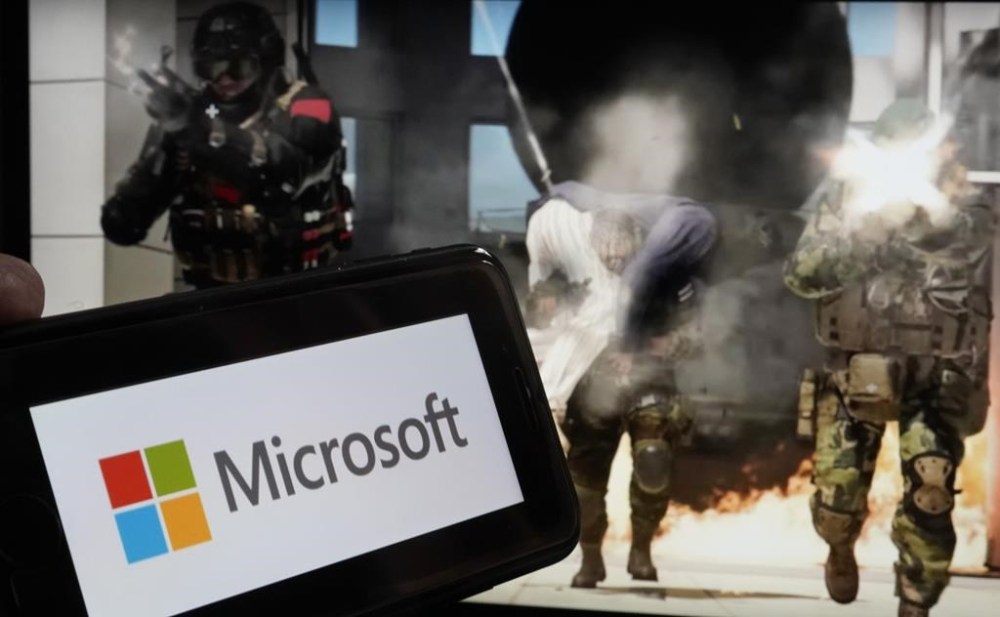
There also are images of Saddam and Iraq’s old three-star flag in the footage released by developers ahead of the game’s launch. The game’s multiplayer section, a popular feature of the series, includes what appears to be a desert shootout in Kuwait called Scud after the Soviet missiles Saddam fired in the war. Another is called Babylon, after the ancient city in Iraq.
Activision acknowledged in a statement that the game “has not been approved for release in Kuwait,” but did not elaborate.
“All pre-orders in Kuwait will be cancelled and refunded to the original point of purchase,” the company said. “We remain hopeful that local authorities will reconsider, and allow players in Kuwait to enjoy this all-new experience in the Black Ops series.”
Kuwait’s Media Ministry did not respond to requests for comment from The Associated Press over the decision.

“Call of Duty,” which first began in 2003 as a first-person shooter set in World War II, has expanded into an empire worth billions of dollars now owned by Microsoft. But it also has been controversial as its gameplay entered the realm of geopolitics. China and Russia both banned chapters in the franchise. In 2009, an entry in the gaming franchise allowed players to take part in a militant attack at a Russian airport, killing civilians.
But there have been other games recently that won praise for their handling of the Mideast. Ubisoft’s “Assassin’s Creed: Mirage” published last year won praise for its portrayal of Baghdad during the Islamic Golden Age in the 9th century.