Explorers discover wreckage of cargo ship that sank in Lake Superior storm more than 130 years ago
Advertisement
Read this article for free:
or
Already have an account? Log in here »
To continue reading, please subscribe:

Digital Subscription
One year of digital access for only $205*
- Enjoy unlimited reading on winnipegfreepress.com
- Read the E-Edition, our digital replica newspaper
- Access News Break, our award-winning app
- Play interactive puzzles
*First annual payment billed as $205.00 + GST for one year. This annual subscription will automatically renew at $233.00 + GST every 52 weeks (10% off the regular annual price of $259.35). Offer available to new and qualified returning subscribers only. Cancel any time.
To continue reading, please subscribe:
Add Free Press access to your Brandon Sun subscription for only an additional
$1 for the first 4 weeks*
- Enjoy unlimited reading on winnipegfreepress.com
- Read the E-Edition, our digital replica newspaper
- Access News Break, our award-winning app
- Play interactive puzzles
*Your next Brandon Sun subscription payment will increase by $1.00 and you will be charged $17.95 plus GST for four weeks. After four weeks, your payment will increase to $24.95 plus GST every four weeks.
Read unlimited articles for free today:
or
Already have an account? Log in here »
Hey there, time traveller!
This article was published 11/03/2025 (584 days ago), so information in it may no longer be current.
MADISON, Wis. (AP) — Twenty years before the Titanic changed maritime history, another ship touted as the next great technological feat set sail on the Great Lakes.
The Western Reserve was one of the first all-steel cargo ships to traverse the lakes. Built to break speed records, the 300-foot (91-meter) freighter dubbed “the inland greyhound” by newspapers was supposed to be one of the safest ships afloat.
Owner Peter Minch was so proud of her that he brought his wife and young children aboard for a summer joyride in August 1892.
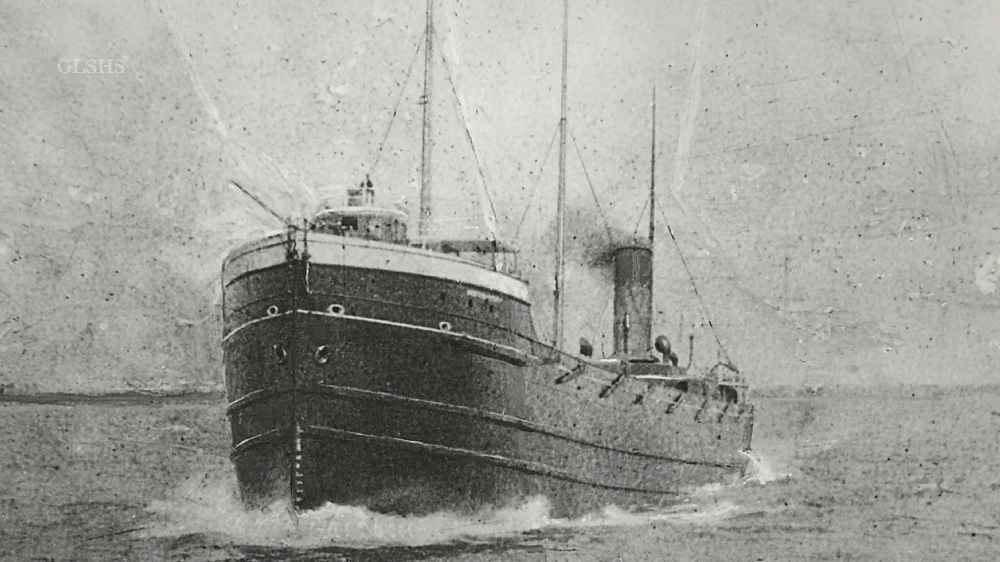
As the ship entered Lake Superior’s Whitefish Bay between Michigan and Canada on Aug. 30, a gale came up. With no cargo, the ship was floating high in the water. The storm battered it until it cracked in half.
Twenty-seven people perished, including the Minch family. The only survivor was wheelsman Harry W. Stewart, who swam a mile (1.6 kilometers) to shore after his lifeboat capsized.
For almost 132 years, the lake hid the wreckage. In July, explorers from the Great Lakes Shipwreck Historical Society pinpointed the Western Reserve off Michigan’s Upper Peninsula. The society announced the discovery Saturday at the annual Ghost Ships Festival in Manitowoc, Wisconsin.
“There’s a number of concurrent stories that make this important,” the society’s executive director, Bruce Lynn, said in a telephone interview.
“Most ships were still wooden. It was a technologically advanced ship. They were kind of a famous family at the time. You have this new ship, considered one of the safest on the lake, new tech, a big, big ship. (The discovery) is another way for us to keep this history alive.”
Search lasted more than two years
Darryl Ertel, the society’s marine operations director, and his brother, Dan Ertel, spent more than two years looking for the Western Reserve.
On July 22, they set out on the David Boyd, the society’s research vessel. Heavy ship traffic that day forced them to alter their course, though, and search an area adjacent to their original search grid, Lynn said.
The brothers towed a side-scanning sonar array behind their ship. Side sonar scans starboard and port, providing a more expansive picture of the bottom than sonar mounted beneath a ship.
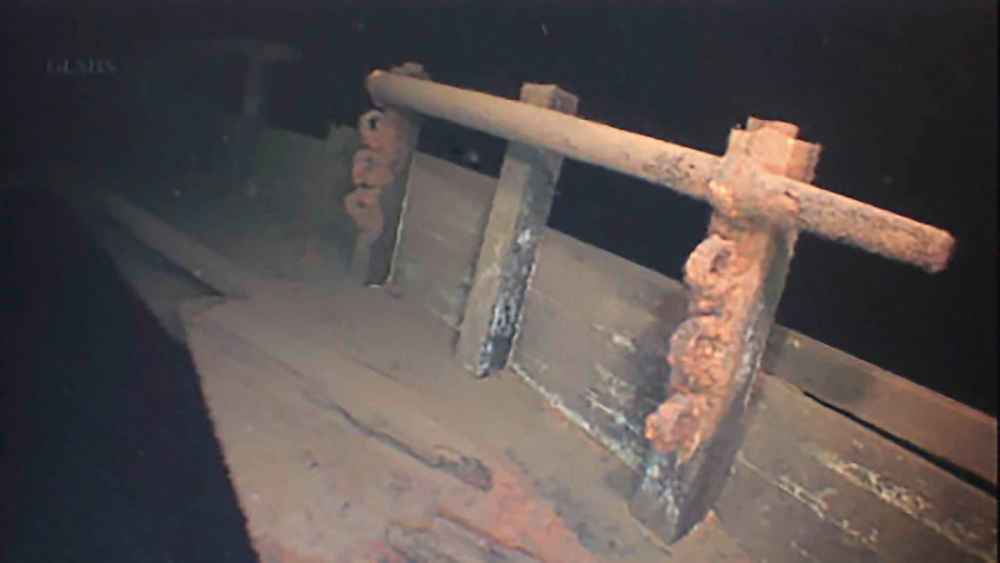
About 60 miles (97 kilometers) northwest of Whitefish Point on the Upper Peninsula, they picked up a line with a shadow behind it in 600 feet (182 meters) of water. They dialed up the resolution and spotted a large ship broken in two with the bow resting on the stern.
Confirmation day
Eight days later, the brothers returned to the site along with Lynn and other researchers.
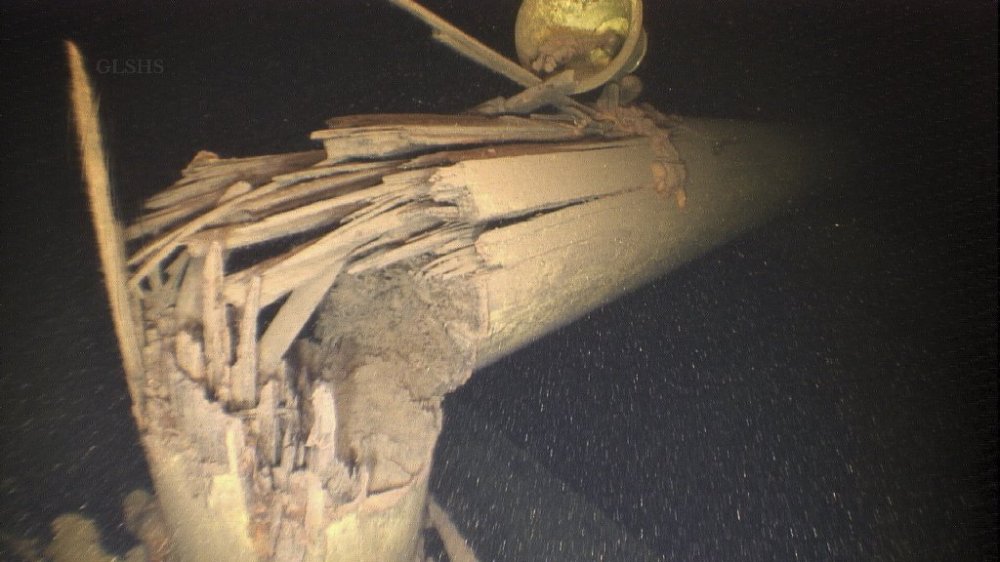
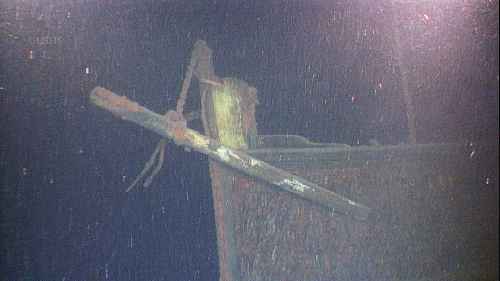
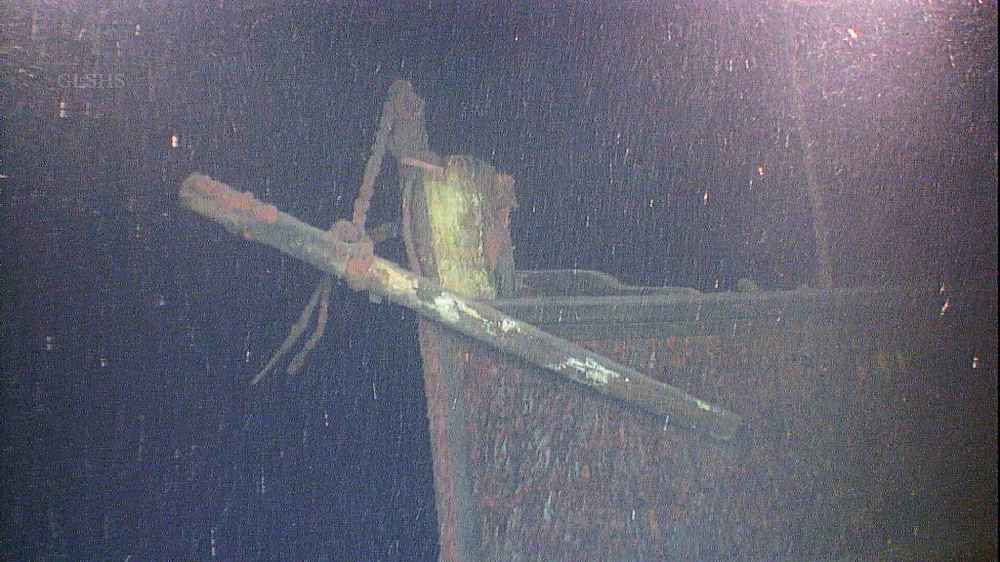
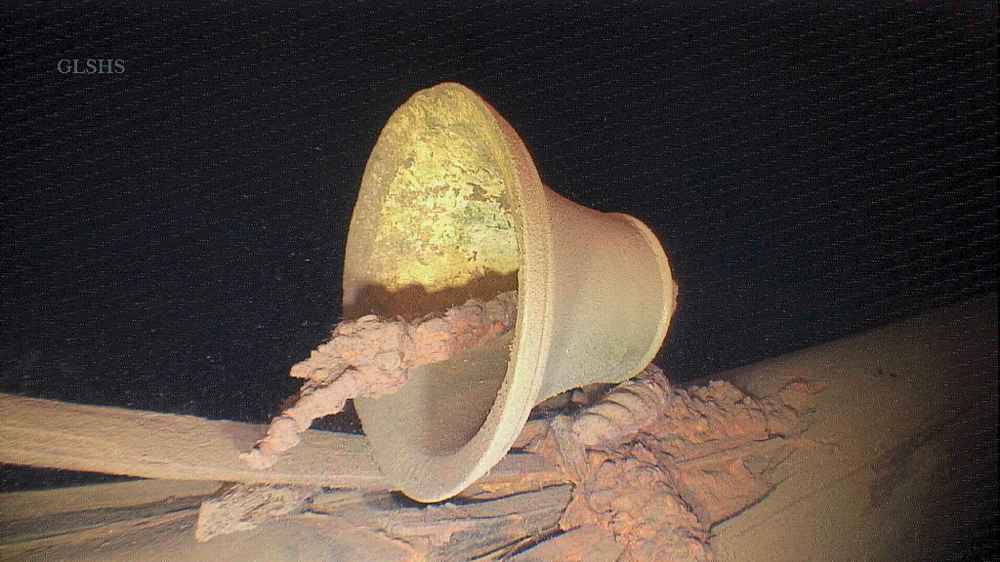
They deployed a submersible drone that returned clear images of a portside running light that matched a Western Reserve’s starboard running light that had washed ashore in Canada after the ship went down. That light was the only artifact recovered from the ship.
“That was confirmation day,” said Lynn, the society’s executive director.
Darryl Ertel said that discovery gave him chills — and not in a good way.
“Knowing how the 300-foot Western Reserve was caught in a storm this far from shore made a uneasy feeling in the back of my neck,” he said in a society news release. “A squall can come up unexpectedly…anywhere, and anytime.”
Lynn said that the ship was “pretty torn up” but the wreckage appeared well-preserved in the frigid fresh water.
The Great Lakes can be more dangerous than the oceans
The Great Lakes have claimed thousands of ships since the 1700s. Perhaps the most famous is the Edmund Fitzgerald, an ore carrier that got caught in a storm in November 1975 and went down off Whitefish Point within 100 miles (160 kilometers) of the Western Reserve.
All hands were killed. The incident was immortalized in the Gordon Lightfoot song, “The Wreck of the Edmund Fitzgerald.”
Assistant Wisconsin State Climatologist Ed Hopkins said that storm season on the lakes begins in November, when warm water meets cold air and winds blow unimpeded across open water, generating waves as high as 30 feet (9 meters).
The lakes at that time can be more dangerous than the oceans because they’re smaller, making it harder for ships to out-maneuver the storms, he said.
Brittle steel may have played a role in sinking
But it’s rare to see such gales form in August, Hopkins said. A National Weather Service report called the storm that sank the Western Reserve a “relatively minor gale,” he noted.
A Wisconsin Marine Historical Society summary of the Western Reserve sinking noted that the maritime steel age had just begun and the Western Reserve’s hull might have been weak and couldn’t handle the bending and twisting in the storm.
The steel also becomes brittle in low temperatures like those of Great Lakes waters. The average water temperature in Lake Superior in late August is about 60 degrees (16 degrees Celsius), according to the National Oceanic and Atmospheric Administration.
The summary notes the Titanic used the same type of steel as the Western Reserve and that it may have played a role in speeding up the luxury liner’s sinking.
Related Articles
'The legend lives on': Wreck of the Edmund Fitzgerald still resonates 50 years later
Advertisement Advertise With Us
Advertisement Advertise With Us